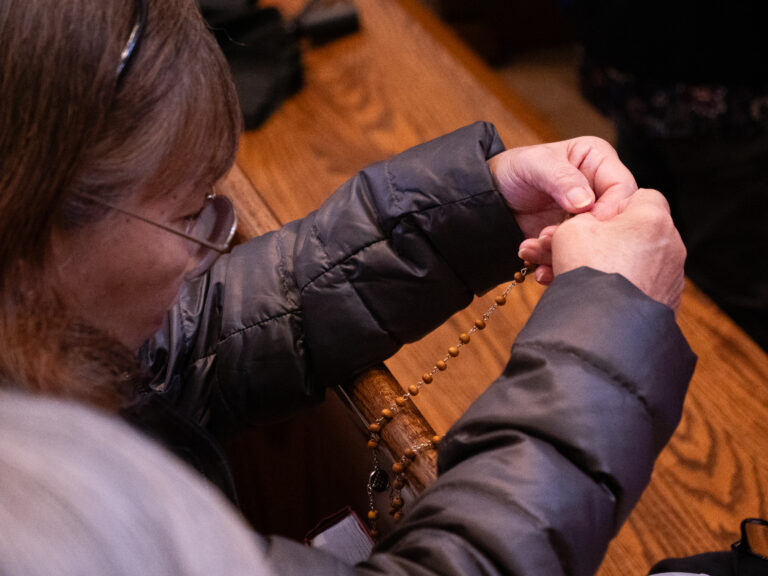


This is the third part in a series about Church-provided health care in Canada to mark National Catholic Health Care Week, Feb. 1–7.
Catholic health care has long been part of Canada’s publicly funded health-care system, caring for patients of every faith and background in a moral tradition that places human dignity at the centre of care.
That dual role has always required careful navigation. Catholic institutions and professionals work within the public system while trying to honour conscience, professional responsibility, and the common good at the same time.
In Catholic facilities, decisions are shaped by principles that stress respect for life, care for the vulnerable, and moral responsibility in professional practice. For clinicians, nurses, and support staff, conscience is not an abstract idea. It is part of daily work, influencing how they walk with patients and families through illness, suffering, and death.
In B.C., those ethical tensions have sometimes been felt sharply. A case now before the B.C. Supreme Court is examining whether faith-based hospitals can be required to provide euthanasia on-site.
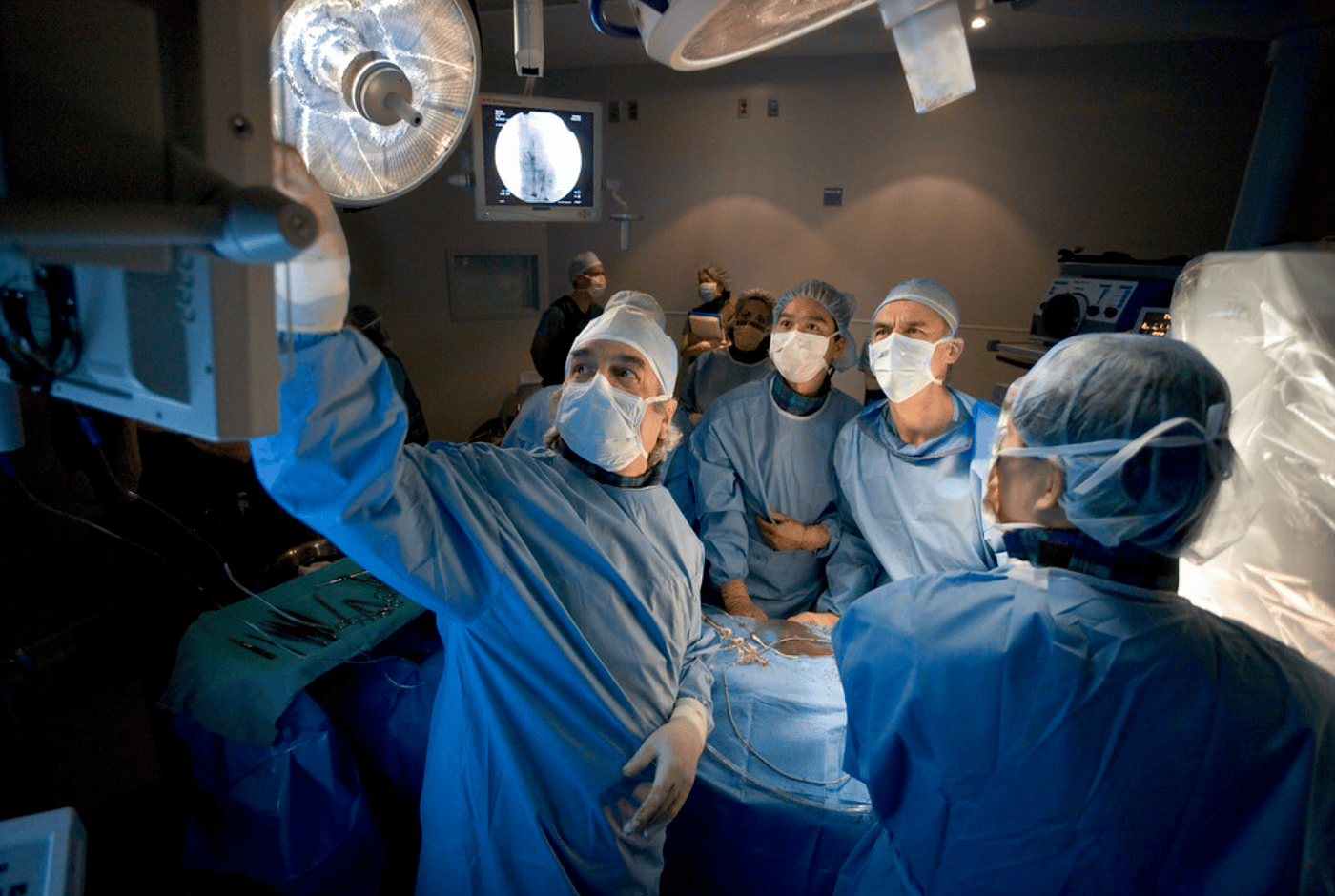
In recent years, The B.C. Catholic obtained documents from the Fraser Health Authority showing that assisted-dying policies created “ethical dilemmas” for some clinical staff, with at least one senior palliative-care physician choosing to resign rather than take part in practices that conflicted with his convictions.
The pressure doesn’t arise only when responding to patient requests. Sean Murphy, administrator of the Protection of Conscience Project, has warned that newer federal standards increasingly expect clinicians to raise euthanasia themselves. The standards say practitioners must suggest euthanasia and assisted suicide “to patients who have expressed no interest in it simply because the patient might be ‘eligible’ for it,” Murphy said.

Ethical change in health care does not happen only through legislation. It also takes shape through processes that influence public expectations. Marian Neels, president of the B.C. Life Network, said federal consultations on assisted dying reflect a gradual effort to build acceptance of advance requests. “Their strategy is basically about getting people used to the idea, slowly but steadily getting the word out,” said Neels. “After a while you just kind of become desensitized.”
Faith-based health care responds to these pressures differently in different countries. In the United States, Catholic bishops and health-care leaders have often challenged government policy through formal legal and regulatory processes to protect institutional conscience.
In Canada, accommodation has more often been worked out within the publicly funded system itself. Canada’s legal framework has recognized freedom of conscience and religion as protected rights, even within public systems.
In comments to Canadian Press earlier this year, Rev. Dr. Andrew Bennett, director of faith community engagement at Cardus, said the presence of faith-based hospitals raises ongoing questions about how publicly funded health care makes room for differing moral and religious convictions. He noted that many hospitals were founded by religious communities and still operate according to those identities, and said governments have a responsibility under the Charter not only to respect freedom of religion and conscience, but to uphold and defend those freedoms within public systems.
For Catholic health-care workers, that recognition matters in practical ways. Ethical integrity is not about imposing beliefs on others. It is about being able to practise one’s profession without being forced to act against deeply held convictions.
Murphy has argued that government standards risk introducing an attitude of coercion rather than accommodation, writing that “the absence of [a clear protection statement] indicates that Canada’s national government supports coercion of unwilling health care workers to force them to assist in killing their patients.”
Professional and regulatory frameworks increasingly shape moral practice at the clinical level. Murphy said that while federal standards claim to respect professional ethics, “its demand for effective referral [of MAiD requests to consenting doctors] contradicts the longstanding position of the [Canadian Medical Association] and its current policy.”
To help workers navigate these challenges, Catholic health organizations have developed practical resources. One example is a health-ethics guide app from Edmonton-based Covenant Health and the Catholic Health Alliance of Canada.
Chaplaincy services also play a role, offering spiritual and pastoral care to patients of any faith, while also supporting health-care workers who face moral and emotional strain.
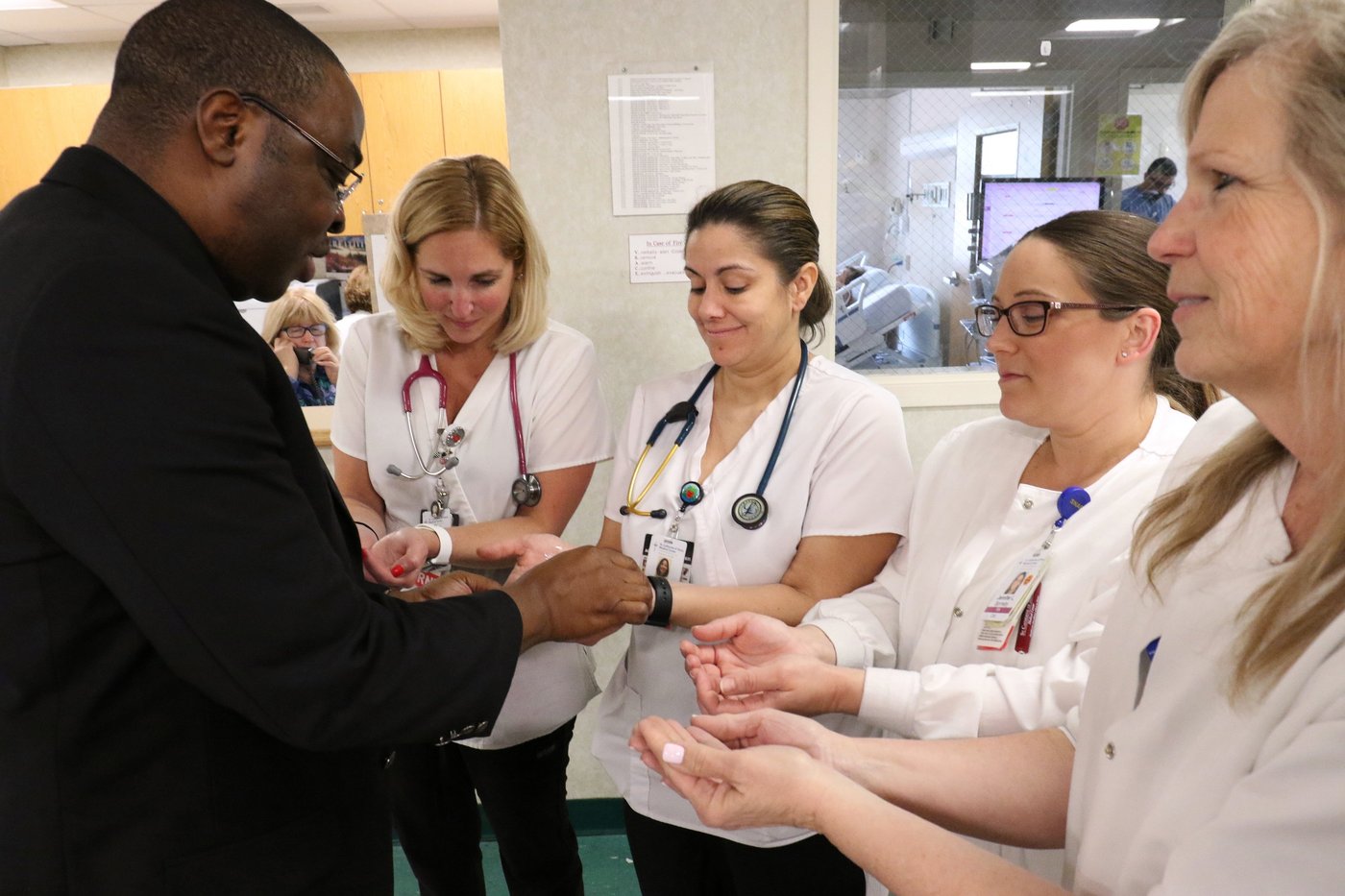
At the bedside: a chaplain’s witness
Catholic health care has a unique way of comforting patients at the end of life, something I have witnessed many times in my ministry as a hospital chaplain.
One experience that deeply touched me came late one night, when I was called to a patient who was suffering and close to death. The family was anxious and afraid, but the moment I arrived and simply stood beside the patient, there was a visible sense of peace. I prayed quietly, held the patient’s hand, and administered the sacrament of the anointing of the sick. Nothing dramatic happened, but something holy did. The patient relaxed, the family felt supported, and there was a deep sense that they were not alone.
In moments like these, I am reminded how important the presence of a priest can be. Sometimes words are not needed. Just being there means everything. I feel truly blessed that, no matter the hour, we are called to go immediately, and that our presence itself becomes a sign of God’s love and mercy.
Being a hospital chaplain has meant a great deal to me personally. This ministry has brought me very close to Jesus, especially when I sit beside those who are suffering. At the hospital bed, I encounter Christ in a very real way. Administering the sacraments — anointing of the sick, Holy Communion, final prayers, and sometimes baptism in urgent moments — has strengthened my faith deeply.
These sacred moments have shaped my understanding of the priesthood. I have come to see that being a priest is not mainly about preaching or organizing, but about accompanying people in their most vulnerable moments. Through this ministry, my relationship with God has grown stronger, more trusting, and more humble.
In my experience, what distinguishes a Catholic hospital is its clear respect for the dignity of every human life. Catholic health care emphasizes compassion, prayer, and care for the whole person: body, mind, and soul.
I also value my ministry in general hospitals, where even small acts such as a quiet prayer, a short visit, or a silent offering become meaningful expressions of love. This work has taught me to offer each day to God, even when it is tiring or emotionally challenging.
Serving as a hospital chaplain at Vancouver General Hospital, alongside others in this ministry, has meant a great deal to me. I have learned to trust God more deeply, to serve with compassion, and to find joy in simple acts of presence and prayer. Catholic health care, in its quiet and faithful service, truly reflects the healing love of Christ.
Father Ronald Sequeira, OCD, is a Catholic chaplain serving at Vancouver General Hospital. He resides at Guardian Angels Church in Vancouver.
Your voice matters! Join the conversation by submitting a Letter to the Editor here.