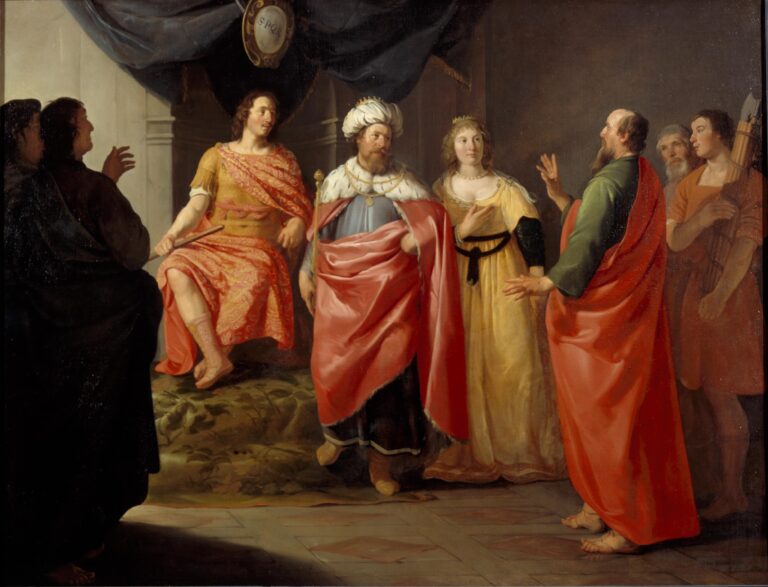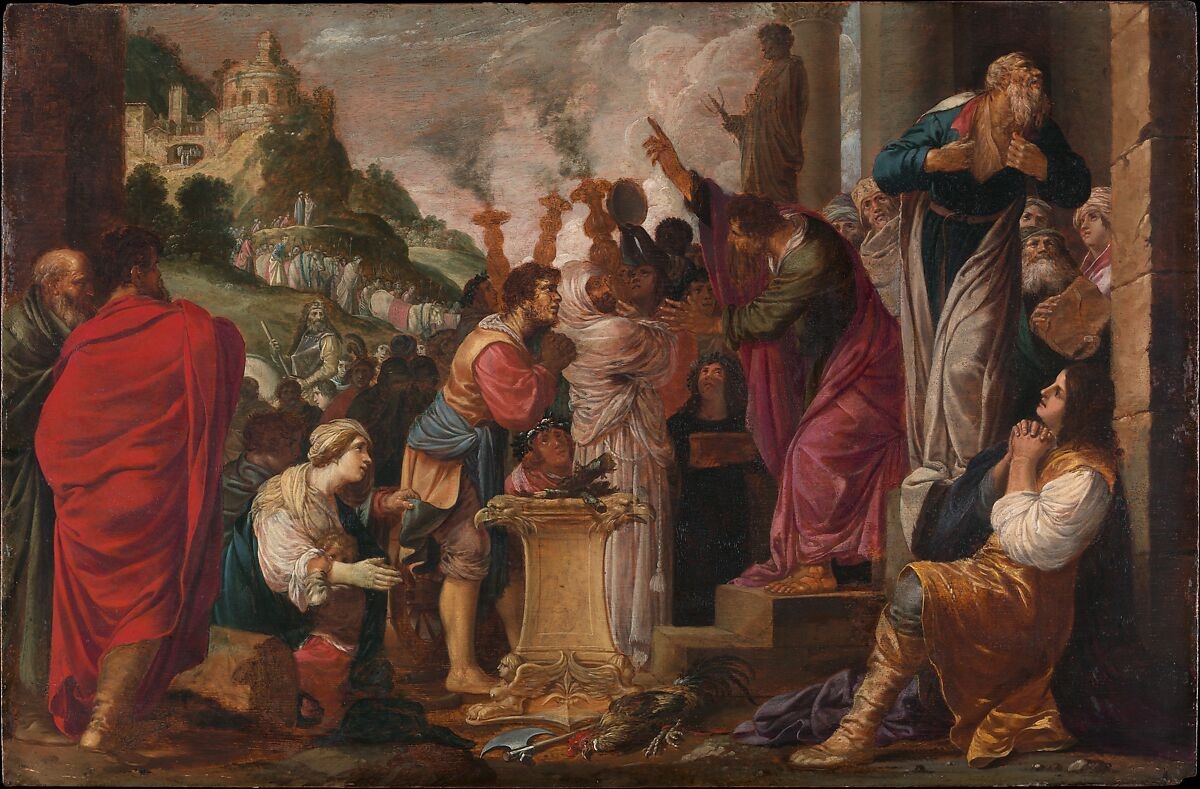

In the Acts of the Apostles, the conversion of Cornelius is a very important event. Father William Kurz notes, “like the triple telling of Saul’s conversion (in Acts 9 and through Paul’s speeches in Acts 22 and 26), the conversion of Cornelius is told three times (in Acts 10 and through Peter’s speeches in Acts 11 and 15), an indication of the importance Luke attributes to it.”
Upon Peter’s return to Jerusalem, the circumcised believers confront him with a pointed accusation: “Why did you go to uncircumcised men and eat with them?” (Acts 11:3). The Navarre Bible notes that table fellowship “was regarded as a kind of spiritual sharing,” so that eating with Gentiles could be seen as being involved in idolatry.
St. John Chrysostom comments: “The question was not ‘Why did you preach to them?’ but ‘Why did you eat with them?’” — a charge rooted in deep-seated concern about ritual defilement.
Peter defends his behaviour primarily by telling his story, recounting it step by step. Pope St. Gregory the Great comments: “If, then, the pastor of the church, the prince of the apostles, who singularly did signs and miracles, did not disdain humbly to give a reason in defending himself from blame, how much more ought we sinners, when we are blamed for anything, to pacify those who blame us by giving a reason humbly!”
Peter concludes his defence with a rhetorical question: “If therefore God gave them the same gift as He gave us, who was I to be able to hinder God?” The community is silenced, then moved to glorify God: “Then to the Gentiles also God has granted repentance unto life.”

The narrative moves to Antioch, where the Gospel is preached openly to Hellenists for the first time. “And the hand of the Lord was with them, and a great number who believed turned to the Lord” (Acts 11:21).
The church in Jerusalem wisely sends Barnabas — a Hellenistic Jew who understands Greek culture — as its delegate. Luke describes him as “a good man, filled with the holy Spirit and faith” (Acts 11:24). Chrysostom explains this quality: “I think by ‘good’ here he means a kind, unaffected person, very much eager for the salvation of his neighbours.”
Barnabas in turn seeks out Saul in Tarsus, an act the patristic tradition regards as providential: without it, Paul might have remained an obscure figure, and the history of Christianity would have looked very different.
Together they teach at Antioch for a year, and it is there that “the disciples were for the first time called Christians” (Acts 11:26). St. Athanasius comments: “Although the holy apostles were our teachers… it is not from them that we have taken our name: we are Christians through Christ and it is for him that we are called in this way.” St. Gregory of Nyssa reminds us: “All that this name implies should be seen in our lives, so that we may truly deserve to be called Christians and that our lives may bear witness to it.”
Acts 11 closes with the prophet Agabus predicting a severe famine. Chrysostom points out that the famine was “foretold so that they might prepare themselves beforehand for almsgiving.” He also notes a twofold famine at work: “Back then, both the poor in Judea enjoyed the benefit and those in Antioch who gave their money, and the latter more than the former. Now, both we and the poor are famishing: they from a lack of necessary sustenance and we because we, in our luxury, lack the mercy of God.”
Faith naturally leads to acts of charity that reach beyond differences of distance, culture, and ethnicity. Theophylact of Ochrid points out: “Notice that they not only believed but also showed the fruits of faith. They helped not only their own relatives but also people far away.”
Acts 11 describes the birth of something entirely new in human history: a community united not by race, nationality, or observance of the Law, but by faith in Jesus Christ. The chapter moves from Peter defending his actions in Jerusalem, to the growth of the church in Antioch, and finally to Antioch’s generous support of the believers in Jerusalem.
Your voice matters! Join the conversation by submitting a Letter to the Editor here.
當教會成為「基督徒」團體
在宗徒大事錄中,科爾乃略的皈依是一件極為重要的事件。威廉克爾茲神父指出:「正如宗徒大事錄中,三次敘述掃祿的皈依(第9章,以及保祿在第22章和第26章的宣講中),科爾乃略的皈依也被敘述了三次(第10章,以及伯多祿在第11章和第15章的宣講中),這顯示路加認為此事具有重大意義。」
伯多祿回到耶路撒冷後,那些受割損的人非難他:「你竟進了未受割損人的家,且同他們吃了飯!」(宗11:3)「納瓦爾聖經註釋」指出,當時的共餐被視為一種「靈性上的分享」,因此與外邦人同桌,可能被理解為涉入偶像崇拜。
金口聖若望評論說:「他們問的不是『你為什麼向他們宣講?』而是『同他們吃了飯』」 – 這控訴深深根植於對禮儀不潔的憂慮。
伯多祿為自己辯護,主要是按次序講述整個經過。教宗聖額我略一世評論說:「既然教會的牧者、宗徒之首、曾行過奇蹟的伯多祿,都不以謙卑地解釋自己、平息責難為恥,那麼我們這些罪人,更應在受到指責時,以謙卑的態度向責備我們的人解釋,使他們心平氣和。」
伯多祿最後以一個反問作結:「如果天主賜給了他們同樣的恩惠,我是什麼人,能阻止天主呢?」眾人聽後沉默,隨即光榮天主:「原來天主也恩賜外邦人悔改,為得生命。」
敘事接著轉到安提約基雅,福音首次公開向希臘人宣講。「主的手同他們在一起,信而歸主的人,數目很多。」(宗11:21)
耶路撒冷教會明智地派遣巴爾納伯前往 – 一位熟悉希臘文化的希臘化猶太人。路加形容他是「因為他是好人,充滿聖神和信德。」(宗11:24)。金口聖若望解釋這特質:「我認為這裡的『好』,指的是一個善良、真誠、不造作、熱切渴望鄰人得救的人。」
巴爾納伯隨後前往塔爾索尋找掃祿。教父傳統認為這是一個天主的安排:若沒有這一步,保祿可能會一直默默無聞,而基督宗教的歷史也會完全不同。
他們二人在安提約基雅共教導了一年,而就在那裡,「最先稱門徒為『基督徒』。」(宗11:26)。聖亞大納削評論說:「雖然聖宗徒是我們的師長 … 但我們的名字並非來自他們;我們之所以被稱為『基督徒』,是因為基督,並且是為了祂,我們才得此名。」尼撒的聖額我略提醒我們:「凡此名稱所包含的一切,都應在我們的生活中彰顯,使我們真正配得上被稱為基督徒,並讓我們的生活為此名作見證。」
宗徒大事錄第11章最後記述先知阿加波預言將有大饑荒。金口聖若望指出,這饑荒之所以被預先宣告,是「為使他們能及早準備募捐救濟」。他同時也提到兩地饑荒同時存在:「那時,猶太地的窮人得到了益處,而安提約基雅那些捐款的人也得到了益處,甚至比受助者更多。如今,我們和窮人都在饑荒中:窮人因缺乏生活所需而受苦;我們則因奢華安逸而缺乏天主的仁慈。」
信德自然引向超越距離、文化與族群差異的慈善行動。奧赫里德的特敖斐拉托指出:「請注意,他們不僅相信,還展現了信德的果實。他們不只幫助自己的親人,也幫助遠方的人。」
宗徒大事錄第11章描述了人類歷史上前所未有的事:一個不以種族、國籍或法律規條為基礎,而是以對耶穌基督的信仰為核心的團體誕生了。本章從伯多祿在耶路撒冷為自己的行動辯護,到安提約基雅教會的成長,最後到安提約基雅慷慨支援耶路撒冷的信徒,呈現出教會生命的新階段。
Your voice matters! Join the conversation by submitting a Letter to the Editor here.