
“I could never do what you do. I don’t know how you do it!” What an interesting statement often uttered in our culture when someone deems a lifestyle too difficult. When we say this to someone, we are usually referring to some display of virtue or a particular value that seems foreign and cumbersome to us.
If we consistently shy away from difficult or demanding things, we may have to spend some time meditating on what St. Paul meant when he spoke of “being poured out like a libation” for the sake of the Gospel. Or what Jesus meant when he said “this is my body, given for you”. Or what was happening in Mary’s heart when she poured a whole jar of costly ointment on the Lord’s feet and then proceeded to dry them with her hair.
St. Carlo Acutis died in 2006 at the age of fifteen and was canonized in 2025. A lover of tech and video games, St. Carlo limited himself to one hour of gaming per week. Once, his mother bought him an expensive pair of sneakers and he asked her to return them so that he could give the money to the poor instead. He used his free time to create a website dedicated to Eucharistic miracles. Carlo’s teachers remember the way students with special needs at school would gravitate to him. When one teacher asked about a particularly clingy new friend, St. Carlo said “he is a great friend of mine and I want to help him.”
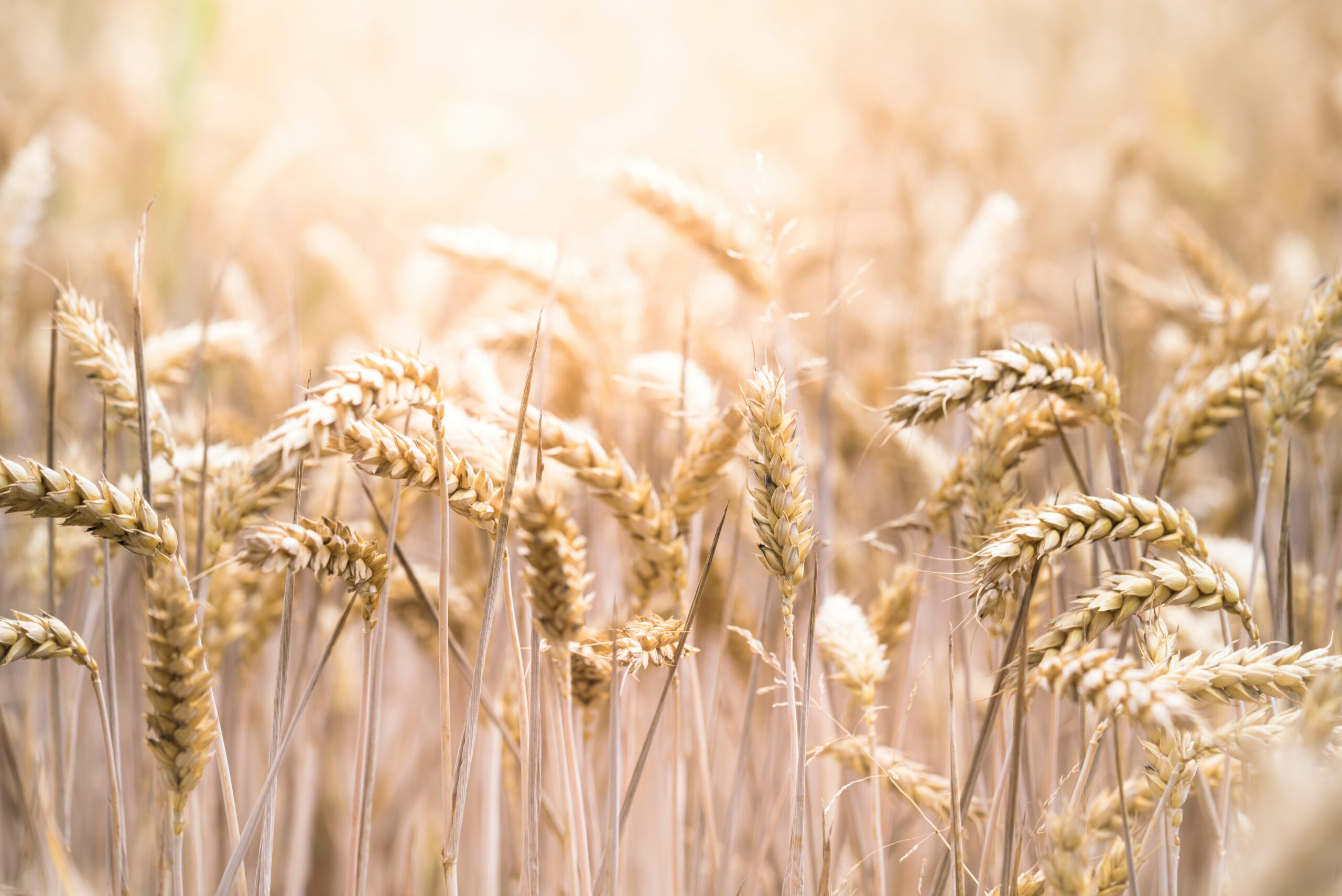
St. Carlo’s favourite scripture passage was John 12:24: “Unless a grain of wheat falls to the ground and dies, it remains but a single grain; but if it dies, it produces much fruit.”
There is nothing in the language of the scriptures that holds back when it comes to things of God. The seed doesn’t partially die. It is annihilated in order to yield fruit. The Good Shepherd leaves the ninety-nine sheep to find one precious wanderer. God doesn’t do things by half measure: “This is how God showed his love among us: He sent his one and only Son into the world that we might live through him” (1 Jn 4:9).
No matter which vocation the Lord lays before us, we will be required to pour out our lives and all of the energy of our soul without reserve — but not without first fueling up.
On an airplane, we are always told in the case of an emergency to don our own oxygen masks first before helping someone else. This is also a spiritual principle: if we do not receive from the Lord first in prayer and then through the sacraments, we will always feel like our life is being taken from us, not as though we are offering it willingly.
In the sacraments, Jesus gives us his superabundant life — his spiritual energy and verve (also known as grace!) — to offer in our vocations. If we do not accept “the water that causes us to never thirst again”, we will be constantly thirsty and always looking to self-sooth and comfort ourselves instead of pouring ourselves out like a libation for others.
For each one of us, our road to sanctity or our “falling to the ground and dying” will look differently. It may look like staying home as a wife and giving up your career so that you can care for your children. Or, it may look like working three jobs to feed your family. For each one of us, the “falling to the ground” will look differently but in each case, if there is authentic self-donation, there will be much spiritual fruit.