
The Acts of the Apostles ends quietly. Luke offers no triumph, no trial, no martyrdom. He brings Paul, a prisoner, to Rome, and simply stops. The final chapter teaches that God is faithful and that hospitality carries the Gospel.
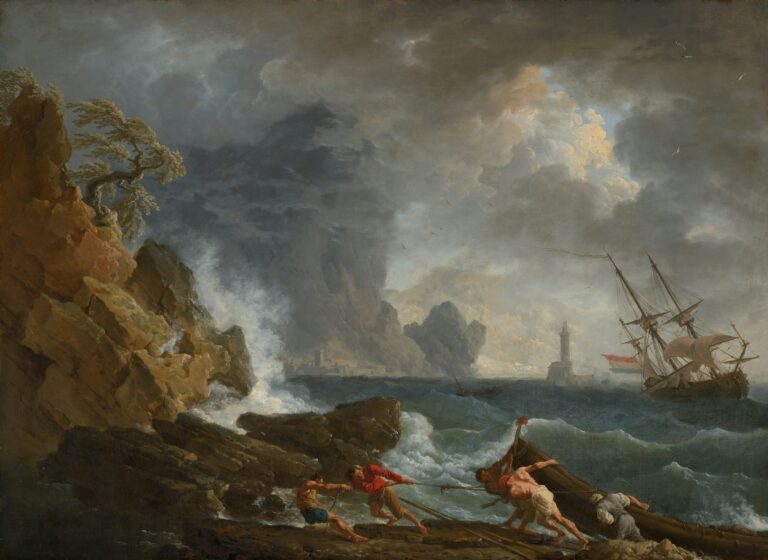
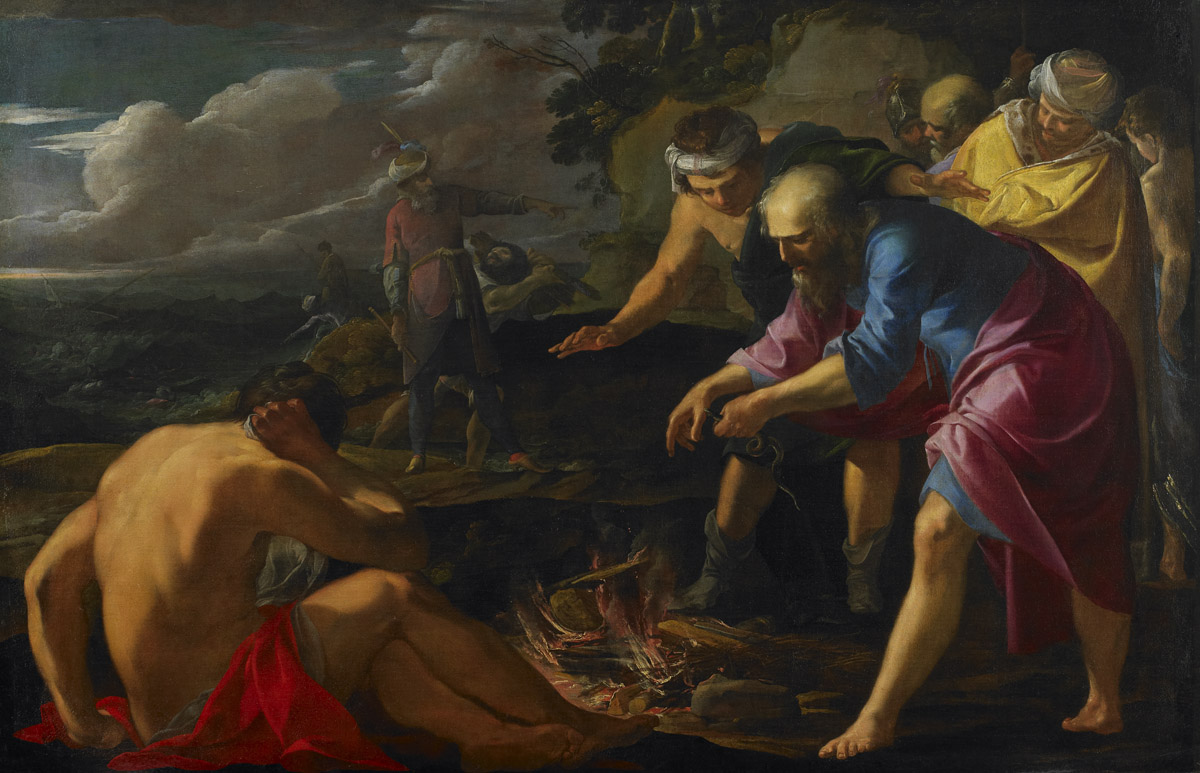
Paul comes ashore on Malta after storm and shipwreck. Our translations call the islanders “natives,” but the Greek word is “barbarians.” In its original sense it meant simply people who did not speak Greek. They were outsiders, not necessarily harsh or uncivilized as the word sounds to us today. Yet these outsiders do what the Jewish leaders in Jerusalem never did. St. John Chrysostom observes that the Jews, who had seen so many miracles, persecuted and harassed Paul, while the barbarians, who had seen none, showed him kindness solely because of his misfortune. He adds a sharp word for the Church: let those be ashamed who say, “Do not do good to those in prison,” and let us feel shame before the barbarians.
One commentator notes that hospitality is a sign of welcoming God’s visitation and action, and that the islanders’ welcome is an infallible indicator of their openness to it. It is also a striking reversal, and reversal is one of Luke’s favourite themes. As Mary sings in Luke 1:52, God lifts up the lowly. The prisoner is honoured, and the pagans open their homes.
The islanders interpret events by their own logic. When the viper fastens on Paul’s hand, they conclude that he must be a murderer: though he has escaped the sea, justice has not allowed him to live. When Paul suffers no harm, they call him a god. Chrysostom notes that Paul’s humanity shines through it all. He is neither a spectacle nor a magician, and he relies on a power not his own, the power of the risen Lord. Miracles, moreover, are mostly performed among and for non-believers. Once faith has taken root, the sign has done its work.
A moving moment comes when the Roman Christians travel some forty-three miles to meet Paul, and the effort renews his courage. Chrysostom asks us to observe how Paul himself was affected in a human way. In spite of all the miracles he had worked, the sight of the brethren still gave him help. Even an apostle needs friends.
It is hard to overstate the value of such hospitality and esteem toward fellow Christians, especially those who are working hard or suffering for the Gospel. St. Josemaría Escrivá teaches that the principal apostolate we Christians must carry out in the world, and the best witness we can give of our faith, is to help bring about a climate of genuine charity within the Church.
In Rome Paul first calls together the leaders of the Jewish people. This is his usual pattern, and it shows that he remains loyal to his own nation. The response is divided: some are convinced, while others do not believe. Paul then cites Isaiah 6:9–10, the prophecy of a people whose heart has grown dull, whose ears are heavy of hearing, and who have closed their eyes, lest they see, hear, understand, and turn to be healed.
Chrysostom stresses that this resistance is a matter of free will. Human beings are free and responsible for their choices. The announcement that salvation has been sent to the Gentiles does not close the door on Israel, nor does it mean the evangelization of the Jews has ended. Jews remained among all who came to Paul.
Luke does not tell us what happened to Paul after the two full years. The point is not Paul’s fate but God’s fidelity. The final words of Acts in Greek are “boldly” and “unhindered.” Even if the messenger is chained, the message is not. Chrysostom paints a striking picture of Paul’s arrival: “Rome received him in chains, and saw him crowned and proclaimed.”
The work of the Holy Spirit in the world will not end until the last day, when Jesus Christ returns, so the Acts of the Apostles is a continuing story. It is now up to us to continue the proclamation of the Gospel boldly and without hindrance, no matter what obstacles we meet.