

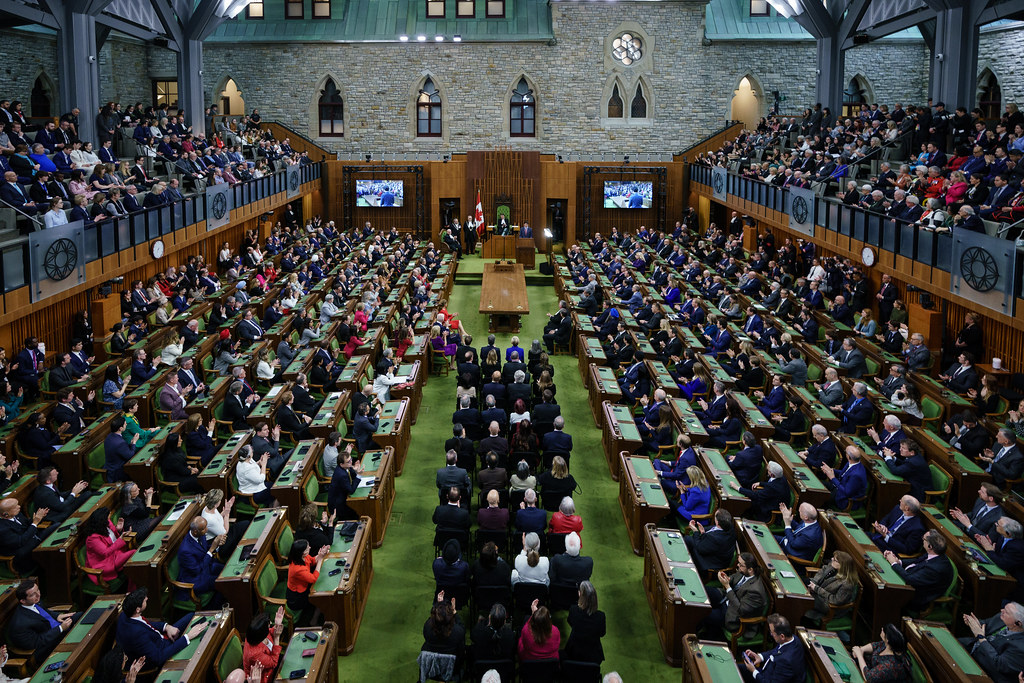

As the clock ticks down to March 24, the date when Parliament resumes following prorogation, presumptive new prime minister Mark Carney and NDP Leader Jagmeet Singh will have to decide on the economic course that will take them into the summer months.
Once there, they can begin the difficult public relations task of convincing the electorate that Canada’s economic situation is not a direct result of their coalition government over the past few years. The only question that remains is whether the Liberals will attempt to pass a budget or merely an interim supply bill to fund government operations until the House sits again in the fall.
When governments have exhausted their traditional revenue sources—whether by taxing everything under the sun or increasing the money supply through the Bank of Canada—they must either find something new to tax or target a specific demographic for higher taxation.
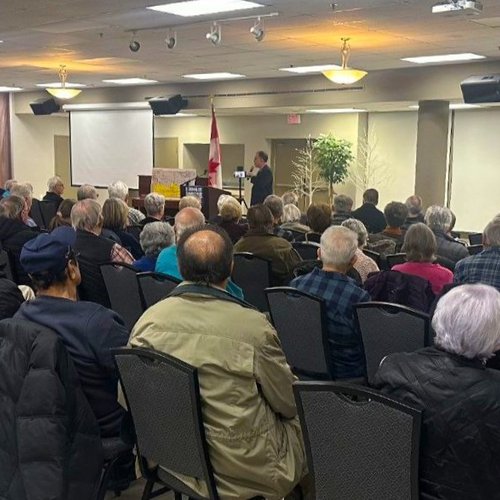
The Liberal-dominated Finance Committee appears to have chosen the latter option. Its Recommendation No. 430, which was supported by all parties except the Conservative Party of Canada, would remove “advancement of religion” as a charitable purpose under the Income Tax Act.
If Canada Revenue Agency (CRA) regulations are updated through passage of a supply bill or by an order in council, the chilling effect it will send through churches, mandirs, synagogues, gurdwaras, and mosques will be immediate and potentially far-reaching.
Why? Because of the nebulous language of “advancement of religion.” The wording of what constitutes advancement could provide the government the ability to persecute ideological enemies if they refuse to bend the knee to whatever the principles of the day are for the governing party or coalition.
Most people’s initial thoughts are of churches losing their charitable tax status, but there are myriad other parachurch organizations that could be similarly impacted. There are around 90,000 children enrolled in 90 Catholic schools in B.C.; does part of their curriculum constitute the advancement of religion? How about the activities of the Knights of Columbus or the Catholic Women’s League?
How real is the threat? Recommendations from the Finance Committee are reviewed by the finance minister, who determines whether to adopt some of them as part of a future budget. There are pre-budget consultations from a wide range of stakeholders, which gives the final report the air of legitimacy, but those who provide input are determined by the Liberal-dominated committee.
Whether or not a future proposed budget includes Recommendation No. 430, it is worth noting that CRA regulations can also be updated by an order in council. This removes the need for debate in either the House or Senate and would have immediate effect.
Given that the introductory paragraph to Chapter 5 of the report speaks of tax policy as being a “major mechanism to motivate … or to dissuade taxpayers from engaging in activities that are thought to be harmful to society,” it seems reasonable to conclude that the ideologues of the Finance Committee may have an axe to grind with respect to religion in general.
What can be done?
Concerned citizens, directors, and executives of religious non-profits and charities, and clergy representing all religions, should begin by contacting their MPs. Letters written to MPs can be read as statements or presented during Question Period in the House of Commons. Without significant input from their constituents, MPs do not have the rhetorical ammunition needed to demonstrate that they represent the will of the communities they serve.
In addition, there are many nomination contests going on across the country at the moment. These determine who will represent the various political parties on the ballot during the next general election. Make sure you take out a membership in one of the parties so you can have your say in who represents you. 1 Peter 3:15 admonishes us to always be prepared to give an answer for the hope within us—I believe we should hold those who would represent us to the same standard.
Steve Schafer is a Christian Langley-based management consultant and political strategist. He is running for the Conservative Party of Canada nomination to replace the retiring Ed Fast as Member of Parliament in Abbotsford-South Langley.
Your voice matters! Join the conversation by submitting a Letter to the Editor here.







