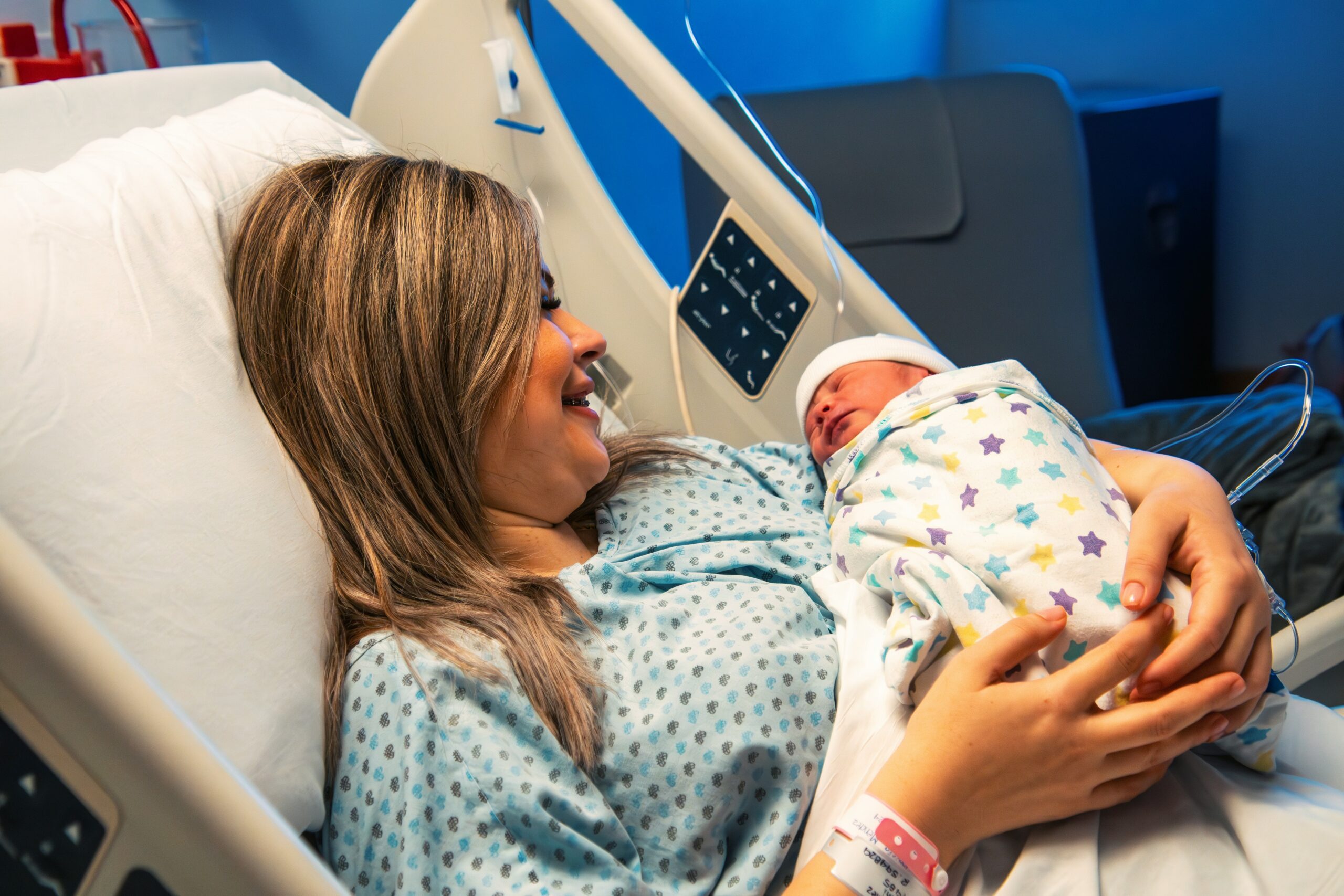

The irony in childbirth is that it is both expected and sudden.
On one hand, labour is inevitable. Everybody expects and hopes for pregnancies to last about 9 months. It’s basic biology. Every day, pregnant women are getting ultrasounds to predict their baby’s “due date” down to a single day.
But only about 4 per cent of babies are actually born on their “date” and many arrive at times their mothers wouldn’t have chosen! (Ask my good friend who has had two babies spontaneously on Christmas Day). Unless a baby comes through a scheduled C-section, the timing of his arrival is surprising. Labour is predictable, yet sudden.
Mary knew Jesus was coming. She likely counted nine months from the Angel Gabriel’s visit and packed swaddles in her bag as she and Joseph traveled to Nazareth. She prepared in the ways a mother can.
But labour has a way of sneaking up on you, while visiting your mother-in-law or doing Christmas shopping or trying to sleep in a barn. Mary could know, prepare, pray, and still be surprised at His timing.
In the second reading a few Sundays ago, Paul likens Jesus’ return to the arrival of a thief in the night or “as suddenly as labour pains come on a pregnant woman.” (1 Thess. 5:1-3)
Of all the parables and parallels in Scripture, this one feels the most relatable to me. I don’t grow crops or hire servants or use oil lamps, and I’ve never been robbed, but I do have three young children who didn’t give me a say on what day they were born. Labour is the inevitable final chapter of pregnancy, but it can also seem to come out of nowhere (and often in the night).
There are so many references to birth and labour in Scripture and a surprising number of them are related to Jesus and salvation.
The whole earth “has been groaning as in the pains of childbirth right up to the present time,” Paul writes to the Romans. “Not only so, but we ourselves, who have the first fruits of the Spirit, groan inwardly as we wait eagerly for our adoption to sonship, the redemption of our bodies.”
Paul wasn’t the only fan of the metaphor. In John 16, Jesus tells the disciples on the eve of his crucifixion: “When a woman is giving birth, she has sorrow because her hour has come, but when she has delivered the baby, she no longer remembers the anguish, for joy that a human being has been born into the world. So also you have sorrow now, but I will see you again, and your hearts will rejoice, and no one will take your joy from you.”
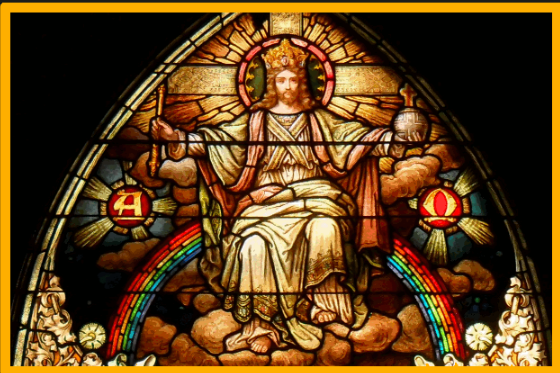
We know Jesus is coming back. We are called to prepare with joy, even though we don’t know the day or the hour, and things may get messy and painful in between.
This Advent and Christmas season, as we celebrate Jesus’ first coming, let’s remember his second coming, too. It will be like His first: surprising, but not unexpected.
As we prepare our hearts with prayer, penance, and charity this Advent, let us remember to live the way Christ calls us to year-round. As we feast on Christmas treats and enjoy the company of our loved ones, let us remember the eternal home we are called to and hope that we see everybody at our tables on earth sitting with Jesus at the heavenly banquet someday.
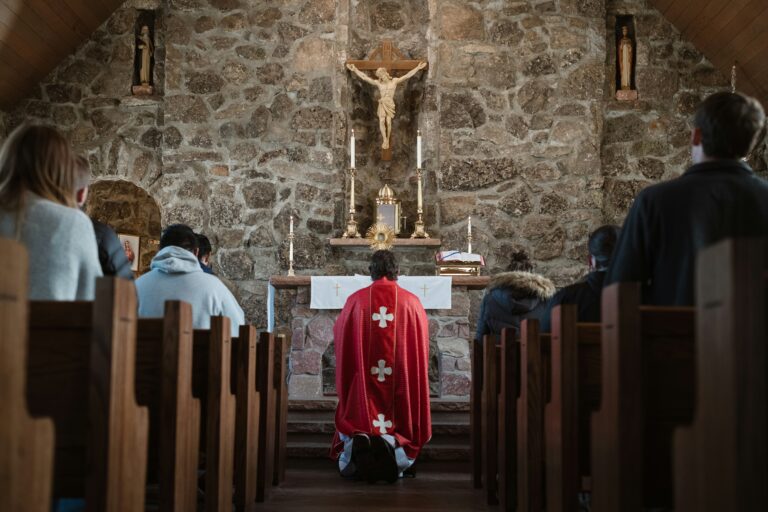
Let’s practice the carols, wrap the gifts, prepare the meals, and go to Mass with the joy and surrender of a parent anticipating a new baby.
May Jesus come and find us surprised, but ready, with lit candles and pure hearts.