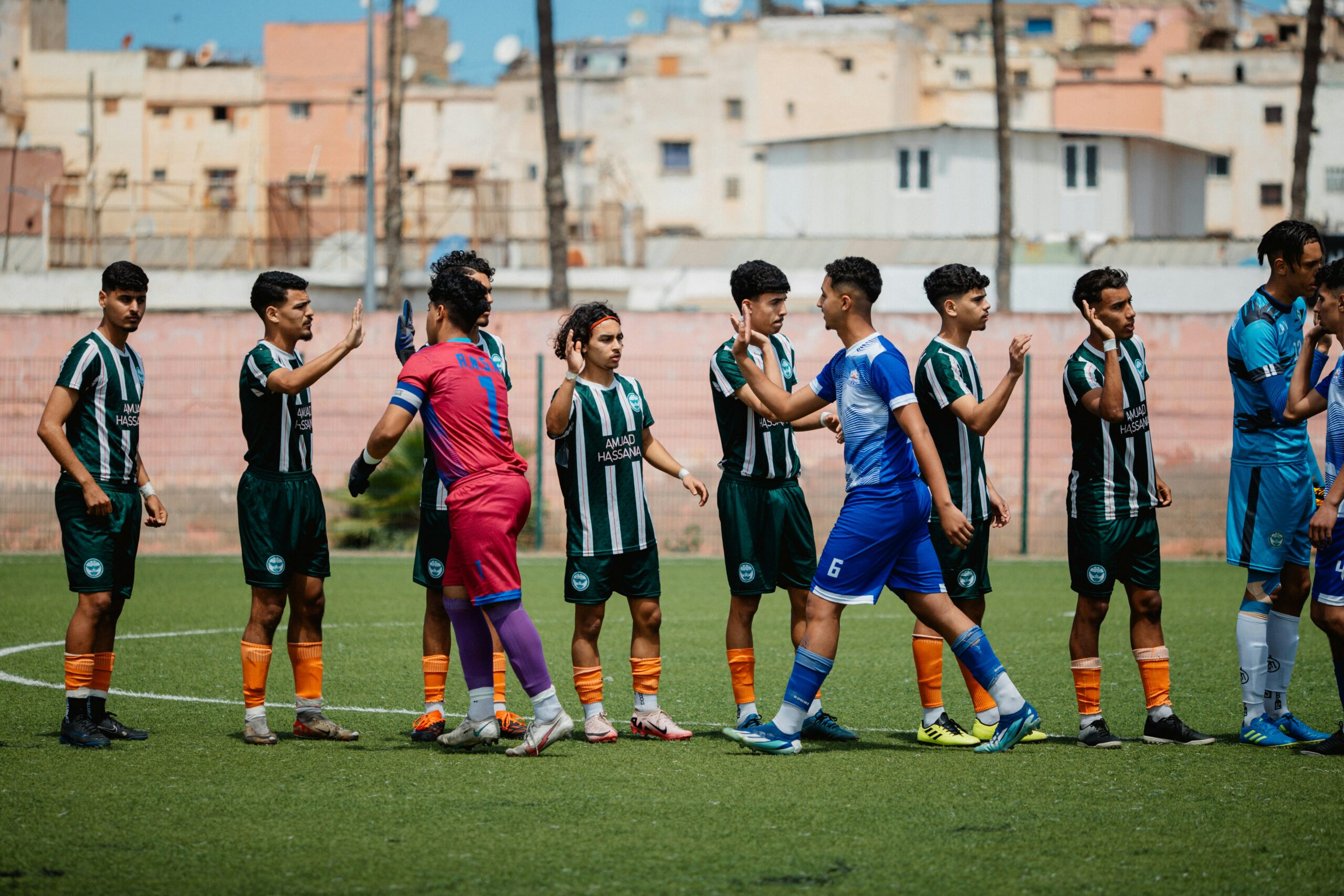

For athletes, particularly Catholic athletes, one would think that sportsmanship and respect should be fairly automatic. Sadly, this isn’t always the case.
Catholic Athletes for Christ is an American sports organization that defines good sportsmanship as “the virtue of treating others with dignity and respect in sporting events; winning with graciousness and losing with dignity and honour. Our behaviour should reflect at all times that of Christ and our demeanor should speak to the value of healthy competition…and in the end the two [teams or individuals] are better for having competed.” As St. Paul said, “We as people of faith are competing always for an imperishable crown” (1 Corinthians 9:25). We must keep the presence of God during our competition.
Sportsmanlike attitudes, like all virtues, need to be taught and modelled by parents and coaches. Poor behaviour is often demonstrated publicly by parents and fans as well as athletes. Being in the tennis profession all of my career, I have seen some bad messaging from each of these groups. Many years ago, one of our son’s baseball coaches told the team to not shake hands after they lost because the coach had an issue with the other coach. Our son made us proud by deciding this wasn’t right, and so he went ahead and shook hands. When I witness poor behaviour on court, more often than not, it comes from a player that either has a parent that acts similarly and/or the student’s coach has a questionable reputation.
Specific behaviours that I would characterize as unsportsmanlike would include the following:
- Cheating: Any victory that was accomplished without honesty and integrity is no victory at all. The damage that can be done to an individual’s reputation due to cheating is significant. Even if you believe that your opponent has cheated avoid the temptation to cheat back. Simply play more determined and try forgiving.
- Trash talking: Using disrespectful, offensive language towards an opponent is no laughing matter. This could be incredibly hurtful and could lead to violence.
- Fighting: It doesn’t matter whether your sport allows it or not, do not allow yourself to be drawn into or forced into fights.
- Vocal swearing and anger outbursts: Such language can not only pump your opponent up, but can also be inappropriate. Instead, aim to show discipline in these circumstances and your ability to bounce back from setbacks.
- Disrespect for officials: Those who are giving their time (often for little or no pay) should be always be treated fairly, even if you believe they made a mistake.
- Use of excuses after a loss: Making excuses or blaming teammates, coaches or others will not allow to grow as an athlete. To grow we must take responsibility for our actions.
- Giving up/quitting/”tanking”: The talents that God gave us must be used to the maximum until the end. Unless you are injured or in bad health keep going, show everybody your “never say die” spirit.
At the highest level of sport, we have seen some wonderful examples of sportsmanship in 2026. In my sport of tennis, Carlos Alcaraz has built a reputation as not only the most exciting player on the circuit but also arguably the most sportsmanlike. He has often made calls against himself when he thought the umpire made a mistake in his favour. One time his opponent was called for a time clock violation when serving. Alcaraz correct the umpire saying that he caused the delay by not being ready to return. The FIFA World Cup witnessed numerous sportsmanlike acts which included:
- The Japanese team cleaning up their locker room completely after their game and leaving a thank you note.
- Neymar consoling an opponent’s child on the field after a tough loss.
- England and France players praying together after England’s 6-4 win for third place.
- Instead of celebrating with teammates after Egypt beat Australia in penalty kicks, Mo Salah consoled his opponents.
I encourage athletes to check out Catholic Athletes for Christ, SportsLeader (a virtue based mentoring program) and Frassati Sports (which teaches boys virtue through sport).
In conclusion, I wish to share some of the words from past Popes on sportsmanship:
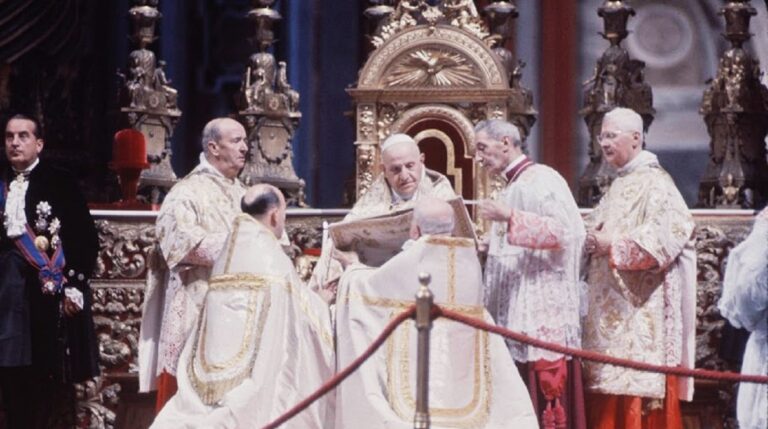
- Pope Pius XII: “Sports properly directed develops character, makes a man courageous, a generous loser and a gracious winner. Sports must be at the service of God.”
- Pope St. John Paul II: ”Sports is not an end but a means…It is a school of character, a bridge between cultures and a pathway to spiritual growth.”
- Pope Francis: “Sport is a metaphor for life. The test is not on the numerical result but on how faithful and consistent we have been to our call.”
- Pope Leo XIV: “Sports teaches us how to lose…to confront our limitations and imperfections.”