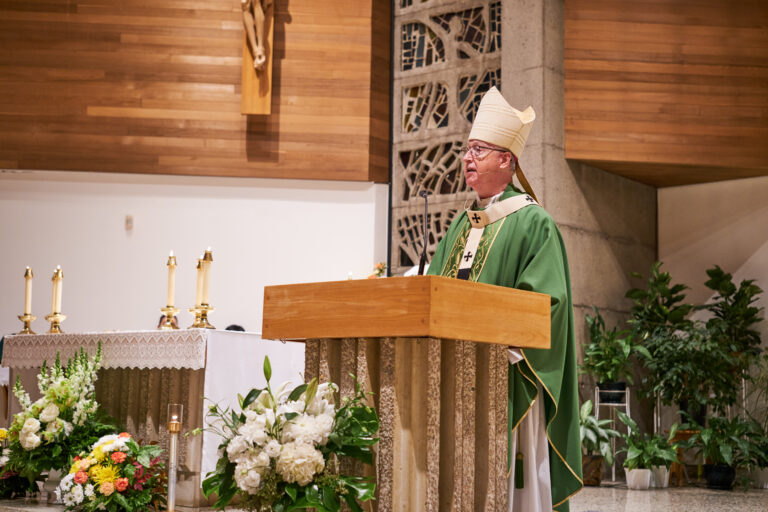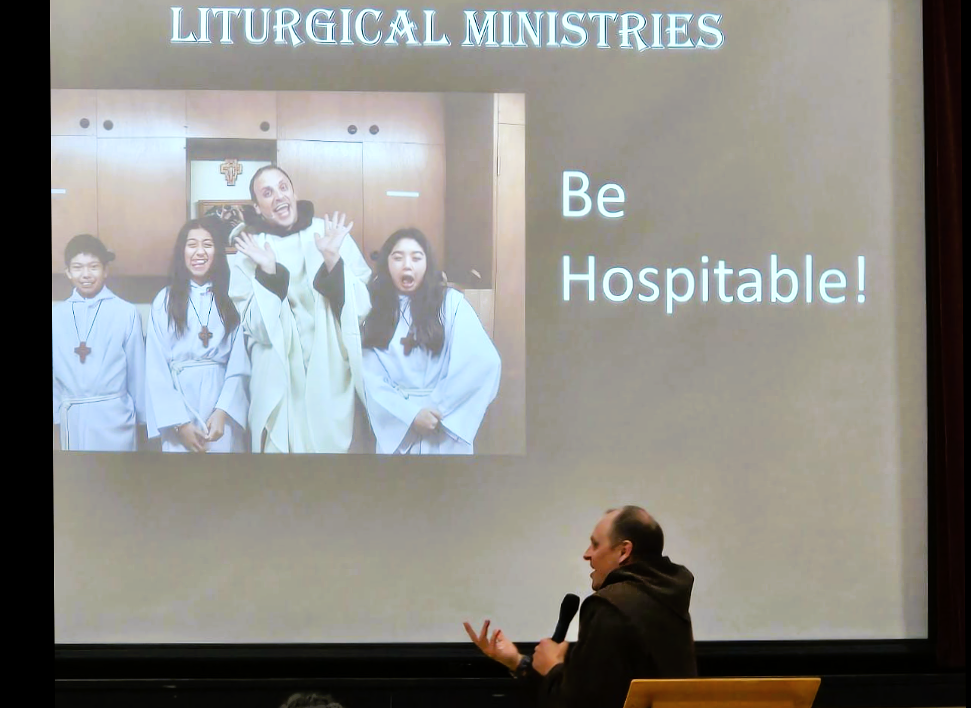

Dioceses can foster a more synodal Church by adopting diocesan-wide gatherings, says Father Pierre Ducharme, the Minister Provincial for the Franciscan Province of the Holy Spirit in Canada and former pastor of St. Joseph the Worker Parish in Richmond.
One of five Canadian delegates at the 2024 Synod on Synodality’s international parish priests meeting, Father Ducharme is emphasizing the importance of the newly released Pathways For The Implementation Phase Of The Synod document, unveiled by Cardinal Mario Grech on July 7.
The universal Church is now a few weeks into an 18-month process for dioceses and parishes to begin finding ways to foster more synodal congregations.
Father Ducharme told The Catholic Register earlier this year that more guidance would be required to help dioceses and parishes properly understand how to transform the 57-page final document into an applicable resource. Pathways succeeds on that account, he said, and there are a few standout suggestions.
“One that comes to mind is that dioceses can have diocesan-wide gatherings,” said Father Ducharme.
“That could gather the leaders of the diocese and parishes. I’m not talking about just pastors, but a combination of priests and lay leaders. There are suggestions about looking at the existing diocesan structures and saying, ‘how can we ensure these are more synodal.’ Along those lines, there are suggestions about implementing more women in leadership roles within a diocese.”

Cardinal Mario Grech, the General Secretariat of the Synod, unveiled Pathways for the Implementation Phase of the Synod on July 7 to offer dioceses and eparchies a framework on how to meaningfully contribute to the journey of walking forward together.
Prescribed as a guidance document, the 24-page text defines the recommended responsibilities for a diocesan or eparchial bishop, delineates the tasks of synodal teams, and outlines how to engage with the 2024 synodal assembly final document during this phase. Pathways explains how ecclesial discernment is a method for determining the concrete practices that best achieve the overall vision.
Father Ducharme appreciates the document’s overall sentiment that “nothing is stopping the bishop from being a part of the team.”
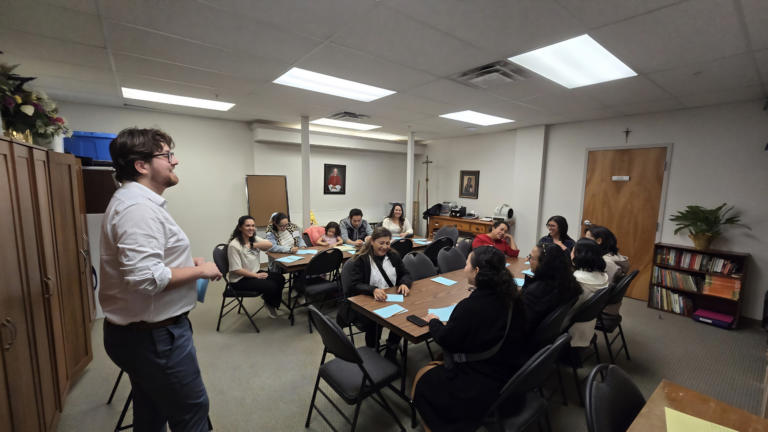
It appears this togetherness and openness mindset is already well underway in the Diocese of Victoria under Bishop Gary Gordon. On June 13, its Diocesan Permanent Pastoral Synod (DPPS) convened for a plenary assembly and immersed in listening circle discernment and prayer exercises. Bishop Gordon wrote in a reflection, weeks later, how attendees “shared stories of vulnerability, insight, and grace. They spoke of how listening built trust, and how that trust brought real hope.”
Father William Hann, the diocesan vicar general, emphasized the importance of creating such a welcoming environment for sharing in the present worldly context and how that sets the stage for progress to follow.
“It was a few years ago that our late Pope Francis spoke about dark shadows over the whole world,” said Father Hann. “He was the first to cry out that we live in a world where people are not listening and communicating with each other. There is a hole: if you don’t listen in dialogue or give people an opportunity to share what they’re feeling, we go to places of scapegoating, labelling, and ideological places of dehumanizing.”
The goal, he said, is “creating places where people can feel safe and where we’re listening. We build community through that, and I think that is where we are going.”
Victoria Catholics told Bishop Gordon, Father Hann, and other diocesan leaders they would like to see the listening circles being used even more as a tool to build community. There was a “strong consensus” that the listening circles “need to become part of our parish culture.”
Following the December 2026 conclusion of the implementation phase, bishops around the world will complete evaluation assemblies in their respective jurisdictions about how the various synodal initiatives being implemented are aligning with the synodal assembly final document.
In the latter half of 2027, the Canadian bishops will review the progress through a national lens, and in early 2028 will unite with the American and Mexican bishops for a continental evaluation assembly. This stage of the process culminates with an ecclesial assembly at the Vatican starting in October 2028.
Amundson is a staff writer for The Catholic Register. From Canadian Catholic News
Your voice matters! Join the conversation by submitting a Letter to the Editor here.