


After 40 days of prayer, fasting, and almsgiving, we have finally reached the Easter season of rejoicing. Although we are now free to leave fasting behind and celebrate, our prayer is that we carry the Lenten pillars with us in new ways as we move forward in the hope of the Resurrection.
As St. Augustine of Hippo wrote in Confessions VIII, “There is no pleasure in eating and drinking unless the discomfort of hunger and thirst have preceded them.” How spiritually fulfilling is our Easter feasting now, having experienced the hunger and thirst of Lent!
During Lent, we focus on improving our relationship with God and on becoming more self-aware, both of ourselves and others. In addition to prayer, fasting, and almsgiving, we aim to grow through repentance and renewal. We are all called to receive the Sacrament of Reconciliation at least once during Lent. And now, with Easter hope and joy, we are called to keep converting our hearts every day.
St. John Paul II once said that Lent is “a time to be dedicated in a special way to conversion and renewal, to prayer, to fasting, and to works of charity.” Lent allows our hearts to be transformed and our vision refocused on our heavenly goal. The good habits we embraced during Lent must not be left behind. They are tools that help us grow closer to God throughout the year. There are many distractions in life, but when we recall our Lenten commitments, we pray they will sustain us during Easter and beyond.
St. John Paul II also said, “… after these weeks of penance, we will experience the joy of Easter. Our eyes, purified by prayer and penance, will be able to behold with greater clarity the face of the living God.” Jesus’ ultimate sacrifice inspires our behaviour and assures us that he has paved the way to eternal life.
We know that Christ has triumphed over death and sin. He has opened the path to heaven. But as Easter people, we are called to live in a way that reflects that truth. Yes, Christ showed mercy to the Good Thief in his final moments, but we who know the story of salvation must not wait until death to turn to God. Each day we are called to grow in self-awareness, to seek forgiveness, to deepen our relationship with Christ and others, and to live with gratitude for his mercy.
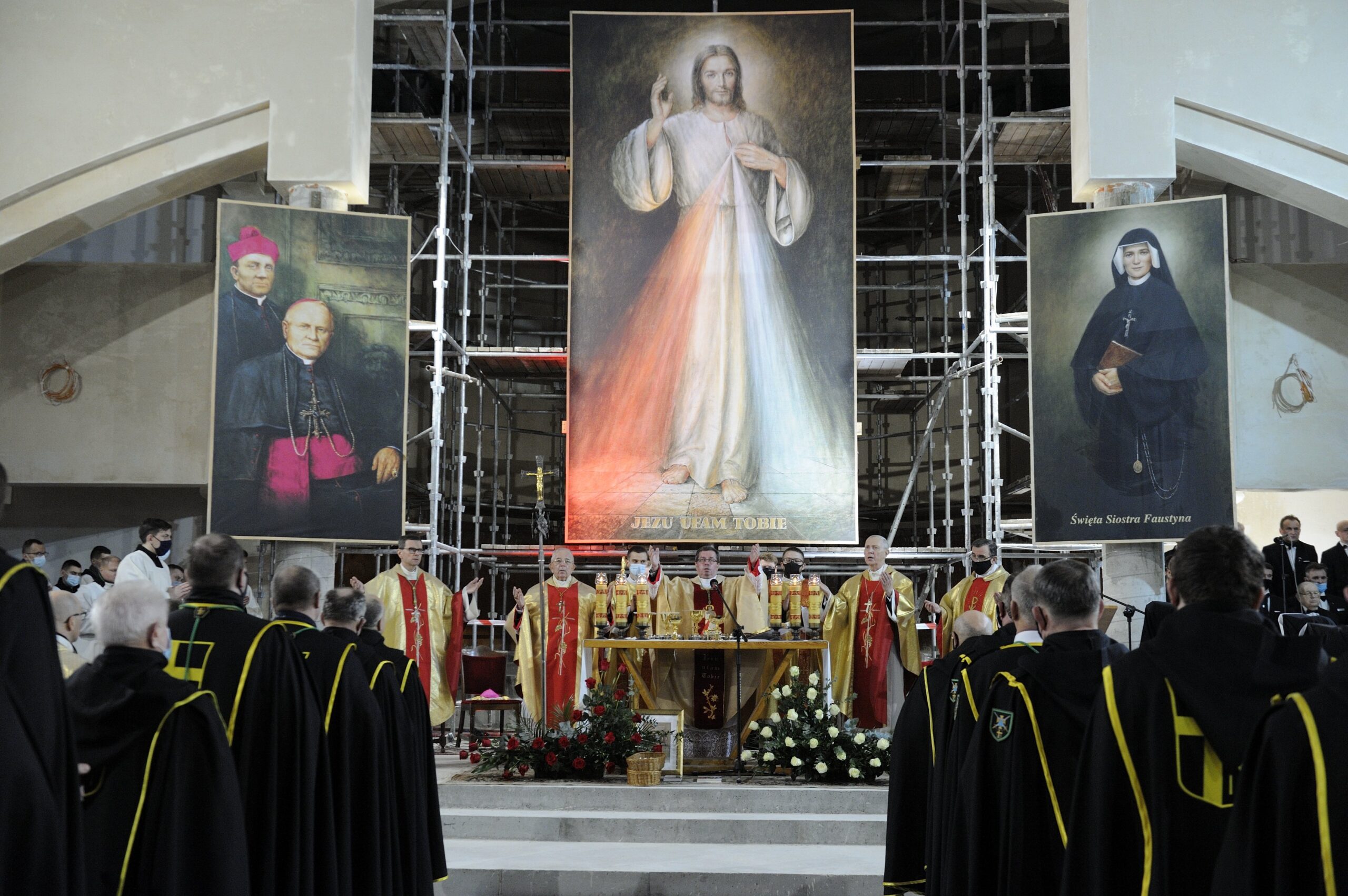
In her diary, St. Maria Faustina shares Christ’s message of Divine Mercy, especially from Good Friday until Divine Mercy Sunday, the Sunday after Easter. During the joyful celebrations of the Easter Octave, we are called to intentionally seek God’s loving mercy. We have spent 40 days of Lent reflecting on our need for God. And even though Christ emptied himself for our sake, we must stay mindful of this great gift. We must continue to pray for mercy, for our beloved departed, and for ourselves.
Hearing Jesus’ words, St. Faustina wrote: “Today bring to Me all devout and faithful souls, and immerse them in the ocean of My mercy. The souls brought Me consolation on the Way of the Cross. They were that drop of consolation in the midst of an ocean of bitterness.” Jesus died for each and every one of us. Our souls were among those who brought him consolation in his suffering. We must never forget this.
Jesus did not forget us. We must not forget him. The comforts and indulgences of this world are not bad in themselves, but they must not distract us from the eternal joy that lies ahead. Earthly blessings are meant to bring us joy, but our true joy awaits us at the end of this life.
As we celebrate the truth of the Resurrection and the promise of eternal life for all believers, let us treasure our Lenten journey and continue seeking Christ’s mercy. Let us remain faithful to the sacraments of reconciliation and the Eucharist. Let us continue growing in prayer, and in our sacrifice and service to others.
Lent is over, but death is not the end of the story. Life is. May our lives reflect the joy and hope of the Gospel. As St. John Paul II so beautifully said, “We are an Easter people and Alleluia is our song.”
Your voice matters! Join the conversation by submitting a Letter to the Editor here.







