

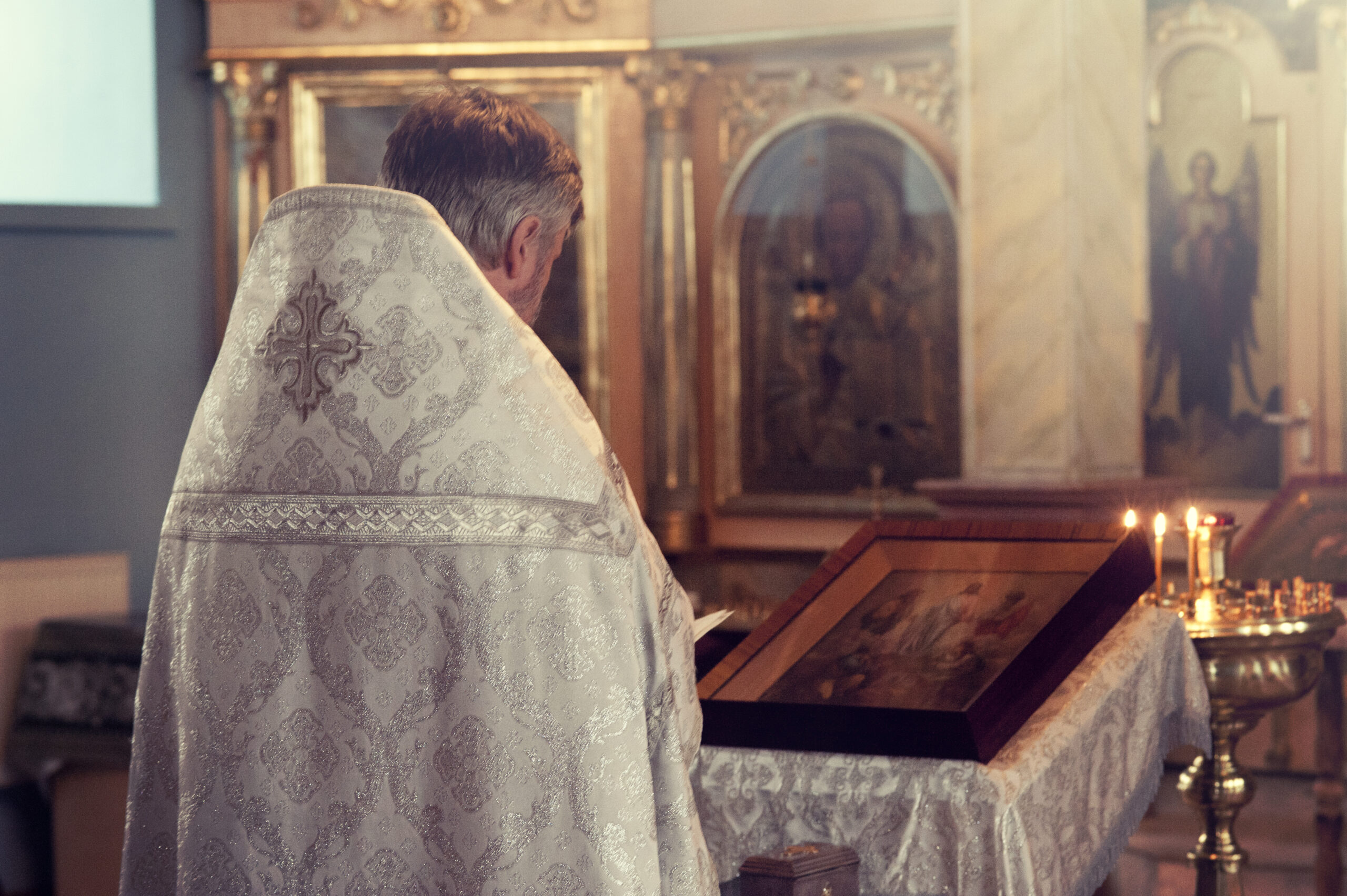

Worship. The archaic word is now mostly used to exaggerate. “He worships a good Bordeaux,” or “she
worships her older brother.” We are awkward and self-conscious at
the thought of worshipping a God we cannot see. Yet, for Christians,
worshipping is not an option. It is the first commandment.
When
God the Father delivered the Ten Commandments to Moses, he did not mince his words. “ Thou shalt have no other Gods
before me” came first. It was such an important commandment that
Jesus reiterates the sentiment in Luke’s gospel after the devil’s
first temptation in the desert. The devil offered Jesus authority
over all the kingdoms of the world if only Jesus would bow down and
worship him. Jesus replies: “It is written, worship the Lord your
God and serve Him only.”
God is our Father and fathers need
to be clear with rules. Our Mother the Church, however, has been
given the privilege of providing the larger framework throughout the
ages. God says: “You will worship.” The Church says: “If you do
not worship, you will never find peace. I’ll help you get there.”
Where there is a refusal to worship God – a blindness to His
provision and care – there is only entitlement and ingratitude. To
worship God is to put things in proper order. Those who worship God
from their hearts will want for nothing. But those who do not worship
will know listlessness and discontent. This is why so many people
impulsively seek to pour out their worship upon something rather than their creator.
While leading the Israelites through the desert, Moses prayed to be dismissed from his life with the complainers. When God gave the Israelites manna for their survival, they could only lament the decadent foods they had left behind in the land of their slavery. They went on at length about Egypt’s fish, cucumbers, leeks, melons, and the garlic that they would now gladly devour in the place of their tasteless daily bread from heaven. Those who refuse to worship have long, detailed wish-lists. They are never satisfied. Their desires are unquenchable because they are disordered desires.
In his enlightened heart, Moses could not bear to live alongside those who were blind to God’s work. “Why are you so displeased with me that you burden me with all this people?” he lamented in God’s hearing. “I cannot carry this people by myself, for they are too heavy for me. If this is the way you will deal with me, then please do me the favour of killing me at once so that I need no longer face this distress.”
Our Lady’s magnificat passionately extols the wonders God has worked all around her.
In supreme contrast to the complaining
Israelites in exile, Our Lady’s magnificat passionately extols the
wonders God has worked all around her. She has eyes only for the
loving providence and wisdom of God. In her childlike obedience, she
resigns herself completely to God’s designs.
If we find it hard to worship (those who are comfortable often do), we can seek to echo the words of Our Lady when she says “the Almighty has done great things for me and holy is his Name.” Then, the Holy Spirit who cannot stay away when he is beckoned by Mary, his spouse, will come to us and remind us of all that we have been given.
This is the beginning of worship, recognizing that “every good and perfect gift comes from above.” If our worship of God is drenched in gratitude, our children will naturally inherit the tendency towards worship and reverence that they see in us. On the contrary, if they see us unsatisfied and compiling long wish-lists, they will find worship of God nearly impossible.
When we are in communion with Christ’s body, the Church, we are full participants in the offering of perfect worship: the sacrifice of the Eucharist. God receives no other worship as loudly and as clearly as the sacrifice of the holy Mass and the adoration of his son’s body and blood.
When we worship, we tap into the very life of God. In participating in the Eucharist, we become rich far beyond our merit. Any desires we have are satisfied at their deepest (and for now mostly unseen) level. We are gifted the richness of God. Pressed down to overflowing. This is the wealth that can only be found in true worship and in God’s divine economy.







