


I hope I don’t regret this column.
It started as a Facebook post, even though I’ve been staying off Facebook—except for the occasional glance on my way to FB Marketplace.
Then, a few days ago, I came across a discussion among friends about Donald Trump. Some were for him, some against. It felt eerily familiar, just like the COVID debates—division, digging in, shunning, and people telling anyone who disagreed with them to unfollow.
I suppose that’s better than blocking them.
After years of polarizing debates on everything from climate change to residential schools, it seems we still haven’t learned much about the need for real discussion. Gone are the days when people could hash out their arguments over a beer and part ways as friends.
I had a literal beer and banter discussion during the pandemic after a friend and I found ourselves locked in yet another online argument, going back and forth without getting anywhere.
Tired of the exhausting polemics of what’s been called anti-social media, we decided to take our debate offline. We met at a pub, ordered pints, and laid our positions on the table—literally. We listened, made a few small concessions, and left amicably.
Did we change each other’s minds? Not really. But at least we spared our online audience from a pointless war of words and had a meaningful, civil conversation instead.
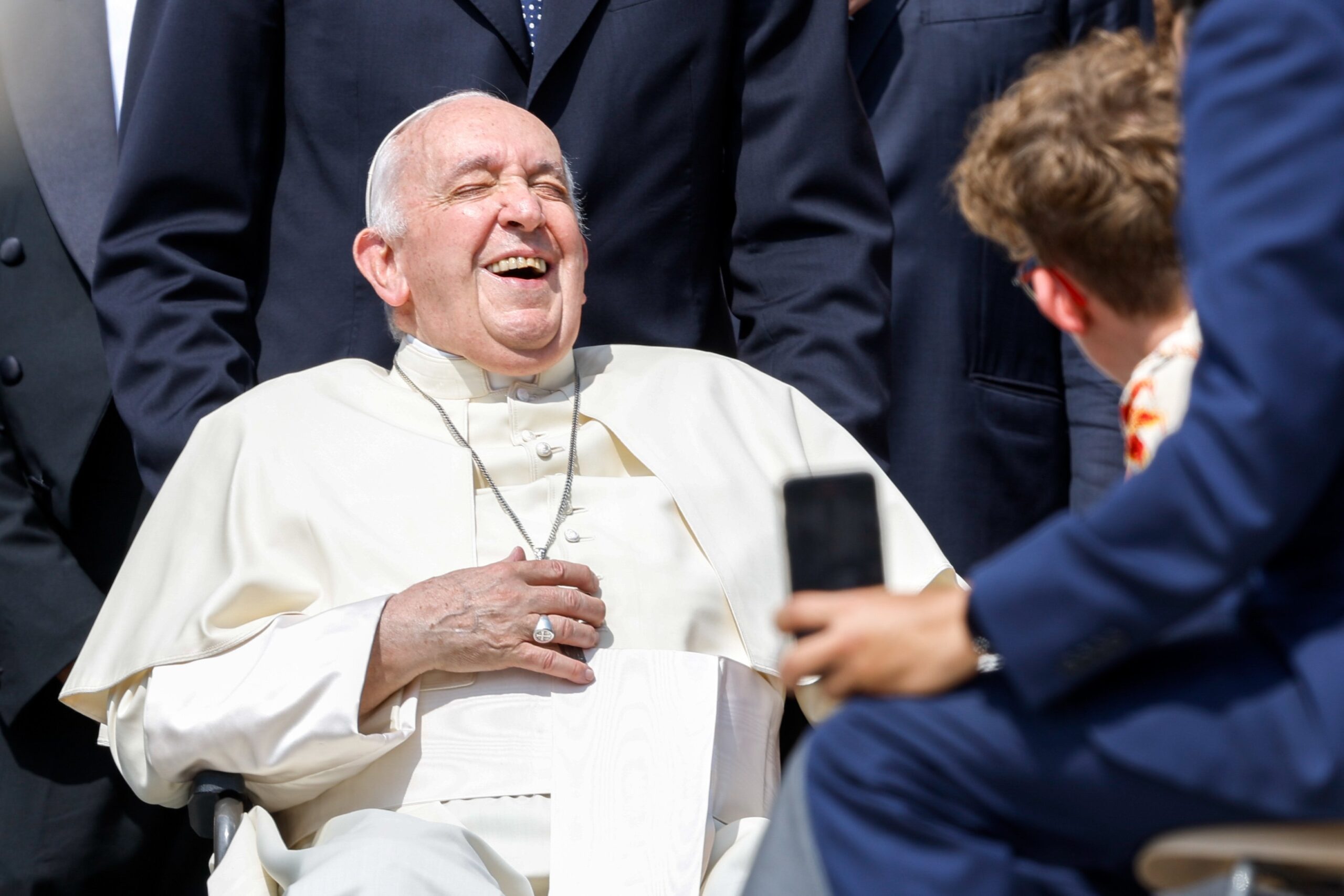
Pope Francis touches on the growing trend of echo-chamber debates in his autobiography Hope.
He cautions against “wallowing in melancholy” and the temptation to harbour an endless pain—something he describes as “the pleasure of non-pleasure.”
He says, “It’s like an addiction to a nasty, bitter-tasting candy, which we carry on chewing.”
Politics and media, he says, seem to thrive on such endless pain, which serves as a thermometer for a society that is “depressive, self-destructive, that feels the need to destroy more than it builds, to encourage the instinct to die rather than enjoyment of life.”
What a contrast to the title of the chapter: In the Image of a God Who Smiles.
“We are made in the image of God and our God smiles,” Francis writes. “We must smile with Him.”
Years ago, I started asking myself before posting online: Would Pope Francis post something like this?
Maybe that’s why I’ve largely drifted from social media. If you don’t have something positive to say…
Francis suggests we could learn from the African Dinka people, who greet strangers not with suspicion but with a smile.
“Amazement rather than insularity. Curiosity rather than prejudice and gnashing of teeth,” he writes.
“It’s a fine lesson.”
A smile, he says, breaks down barriers and creates connections. It is the “natural elixir” to “the poison of malice and gossip.”
If anyone is looking for a meaningful way to observe Lent, perhaps they could take Pope Francis’s advice from his childhood. His family, even in times of suffering, found strength in laughter.
“It was not a matter of pretending nothing was wrong,” he says, “but of preserving a vital space of inner joy to face challenges and overcome them.”
That’s a lesson many of us could benefit from, online and off. q
Your voice matters! Join the conversation by submitting a Letter to the Editor here.







