


Well, it was good while it lasted, but now that summer has finally taken an exit bow, and we have passed the offer to return to childhood with Halloween, we must now start dealing with winter. On Nov. 1, we were deluged online, on television, and in the stores, with urgent calls to start celebrating Christmas. However, the more thoughtful among us recognize that the time ahead is about a lot more than Santa and New Year’s celebrations – after all, there is a season called Advent.
Of course, an official season of penance is not the only time we need to be mindful of our Christian commitments. As we retreat indoors, huddle around the fireplace, and complain about the weather, we need to do more than simply look for entertainment on our televisions and phones. I was made particularly aware of this when watching a documentary, The Tragic Fentanyl Problem, produced by Real Stories and easily available on YouTube.
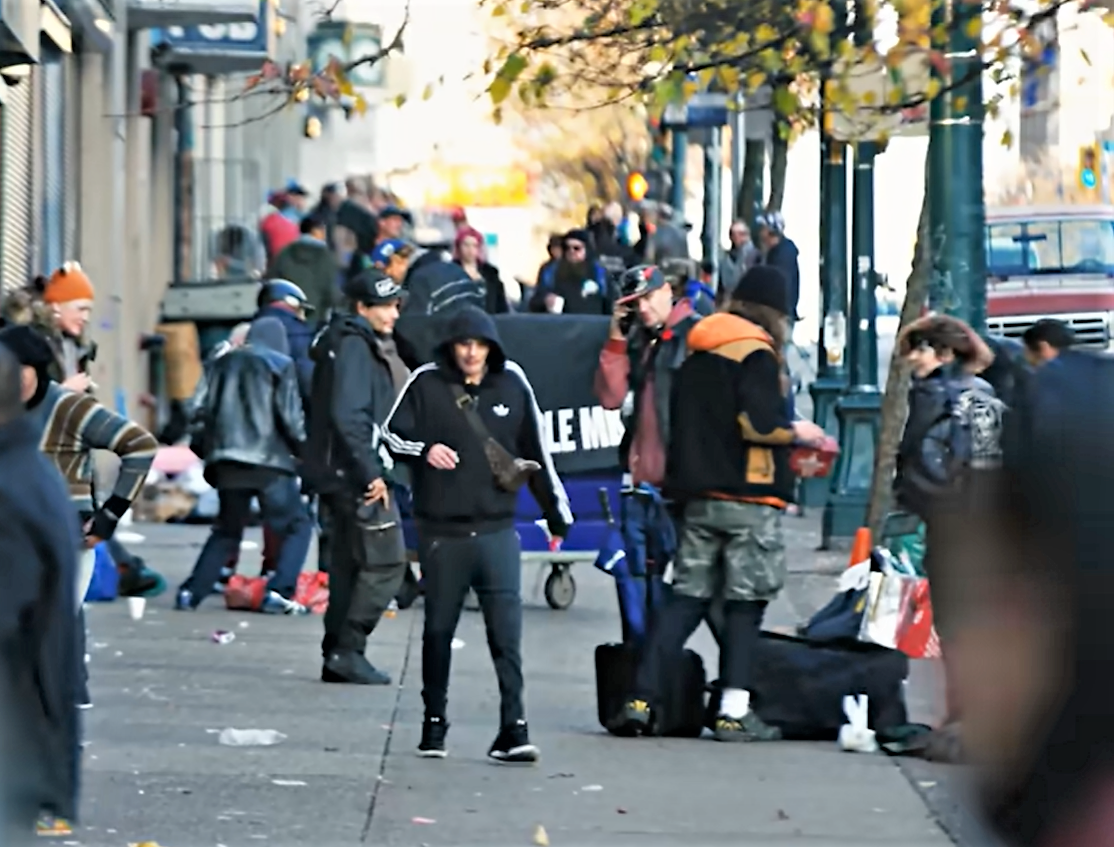
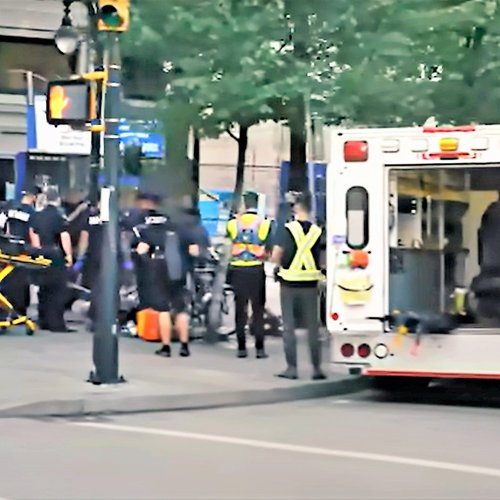
All of us have been made aware, to a greater or lesser extent, of the plague of drugs that has overtaken so many countries, not least among them, Canada. We have all been made aware of the problem of the homeless and have been appalled at the growing encampments in cities across the province of B.C. and elsewhere and the grotesque number of deaths arising from drug usage.
Faced with that problem, in many discussions around dinner tables, I have frequently heard of people’s dismay at this growing social disaster. While people clearly want to see the problem solved, often the refrain is “They need to do something about it.”
Presumably that nebulous “they” is understandably aimed at governments at all levels – though practical solutions are usually in short supply. And before one demands action, one needs to understand the problem.
The significance of the documentary is that it presents the problem in human and powerful terms. It literally puts a face on some addicts, helping us to see them above all as people – people who once started out life much like us.
Remarkably, the makers of the film, which should be essential viewing in all homes, persuaded several of the homeless inhabitants of Vancouver’s Downtown East Side Vancouver to tell their stories, often articulately and vividly. The result is a heart wrenching saga of people caught in an almost hopeless journey towards what many of them recognize as probably inevitable death. With honesty, with clarity, and with unflinching strength to recognize the horrors of their situations, they help us to realize that “There, but for the grace of God …”
Besides revealing the tragedy of the situation in all its sad humanity, the film also helps viewers to recognize how difficult it is to arrive at a solution. Yes, the film makes clear that there are praiseworthy small efforts by noble volunteers to ameliorate the situation; there are tiny successes in helping addicts break their habits, but in the end one must recognize that it is not enough merely to demand that “they do something about it.” Indeed, if any fault is to be found with the documentary, it is that the real and praiseworthy efforts of the police are given scant treatment. But the fact is clear: neither the police nor the politicians can be expected easily to end the ravages of drugs in our society.
Just how to do this clearly demands a huge effort by all levels of society. We all need to participate in a positive way to provide constructive input. It will be a lengthy process, but in the name of decent humanity it is necessary. If all levels of government invited the many who express concerns to participate in an ongoing dialogue, perhaps we could actually solve this accursed plague.
Meanwhile, as part of our fast-approaching Advent reflection, we could do far worse than watch the documentary and resolve to do immediately whatever we can to reduce the suffering and horror which so many of our neighbours face daily. As we enjoy the solace of warm homes, enough food, and fair assurance about our own futures, let us remember the suffering souls at Main and Hastings – all of them children of God.







