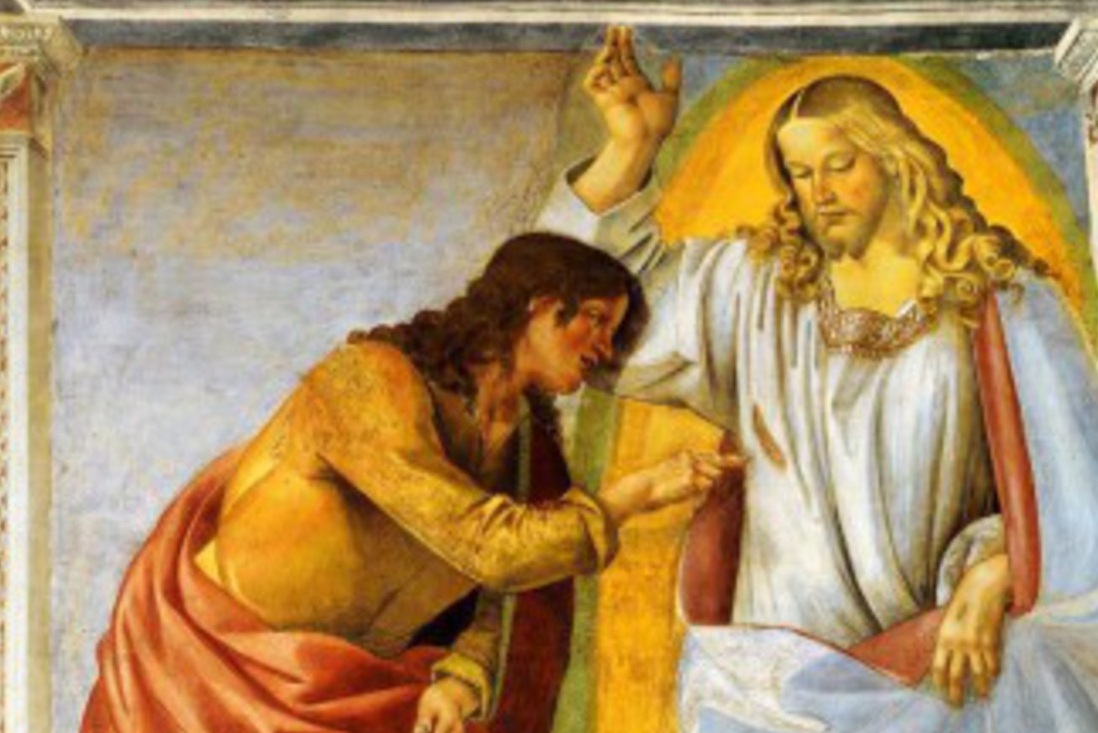

We read narratives of Jesus’ first appearances following the Resurrection in chapter 20 of the Gospel of John. As in other accounts of the risen Lord’s appearances, the disciples didn’t initially acknowledge Jesus, even though they were close to him and awaiting his return.
We read narratives of Jesus’ first appearances following the Resurrection in chapter 20 of the Gospel of John. As in other accounts of the risen Lord’s appearances, the disciples didn’t initially acknowledge Jesus, even though they were close to him and awaiting his return.
Once they saw his wounds, however, they knew what he had promised had truly occurred. They knew Jesus, our true Lord and Saviour, had risen.
Hearing the story of Thomas, who was missing when Jesus first appeared and doubted accounts of the resurrection, I used to feel kind of disappointed in him. How could he not immediately believe the promise had been fulfilled? What happened to his faith?
Sometimes Thomas is depicted in a negative light.
Sometimes Thomas is depicted in a negative light. He wasn’t with the others when Jesus first returned. He said he wouldn’t believe Christ had returned unless he saw and touched the wounds of his crucifixion.
As a child, I would hear Jesus’ words, “Blessed are those who have not seen and have believed” (Jn 20:29) and assume I was included in the “those.” After all, I had not put my own hands in Christ’s side and yet I believe.
I felt sorry for Thomas, thinking of Christ’s words as, basically, a chastisement: “Tsk, tsk, Thomas. You needed proof of the Saviour’s return, but those who come after you are blessed because they will believe on faith alone.”
As an adult, however, I realize I am really more like Thomas than I care to know. I tend to overlook the fact Thomas wasn’t the only one who believed because he saw Christ’s wounds. The other disciples didn’t even recognize Jesus until they had seen the wounds. That they discovered the truth together (and any doubts they may have had were not recorded) overshadows the fact they were initially blind to the reality of the resurrection.
Thomas is us. — Father Paul Chu
As Father Paul Chu said on Divine Mercy Sunday, “Thomas is us.” The story of Thomas embodies every doubt we ever have, and reminds us Christ understands human doubt enough to patiently allow Thomas to touch his wounds. Essentially, we too are afforded the opportunity to touch those very wounds every time we read the story of Thomas.
We constantly crave truth; likewise, we constantly confront doubts.
In times of weakness, I have wondered if the reason the disciples didn’t initially recognize Jesus was that they thought the man they saw was an imposter. And, perhaps they may have believed the story (Mt 28:10-15) that Jesus’s body was stolen while the guards slept. Sometimes I wonder if I’ve lived my whole life believing the impossible. Then I remember Thomas.
Jesus excluded Thomas from his initial appearance because he knew those of us “who have not seen” would need to revisit that story. I believe without seeing, yes; but, in effect, I believe without seeing because Thomas saw for me. Thomas asked to have a physical sign of the truth and, because it’s recorded, I find comfort in his story.
Blessed are those who believe without seeing, and blessed is Thomas who asked for the proof that sustains me to this day. Blessed be my doubts, which encourage me to delve deeper into the Bible and into the signs of faith, God has patiently and lovingly placed before me.
For through these doubts and their ensuing affirmative discoveries, like Thomas, I can confidently say, “My Lord and my God.”