

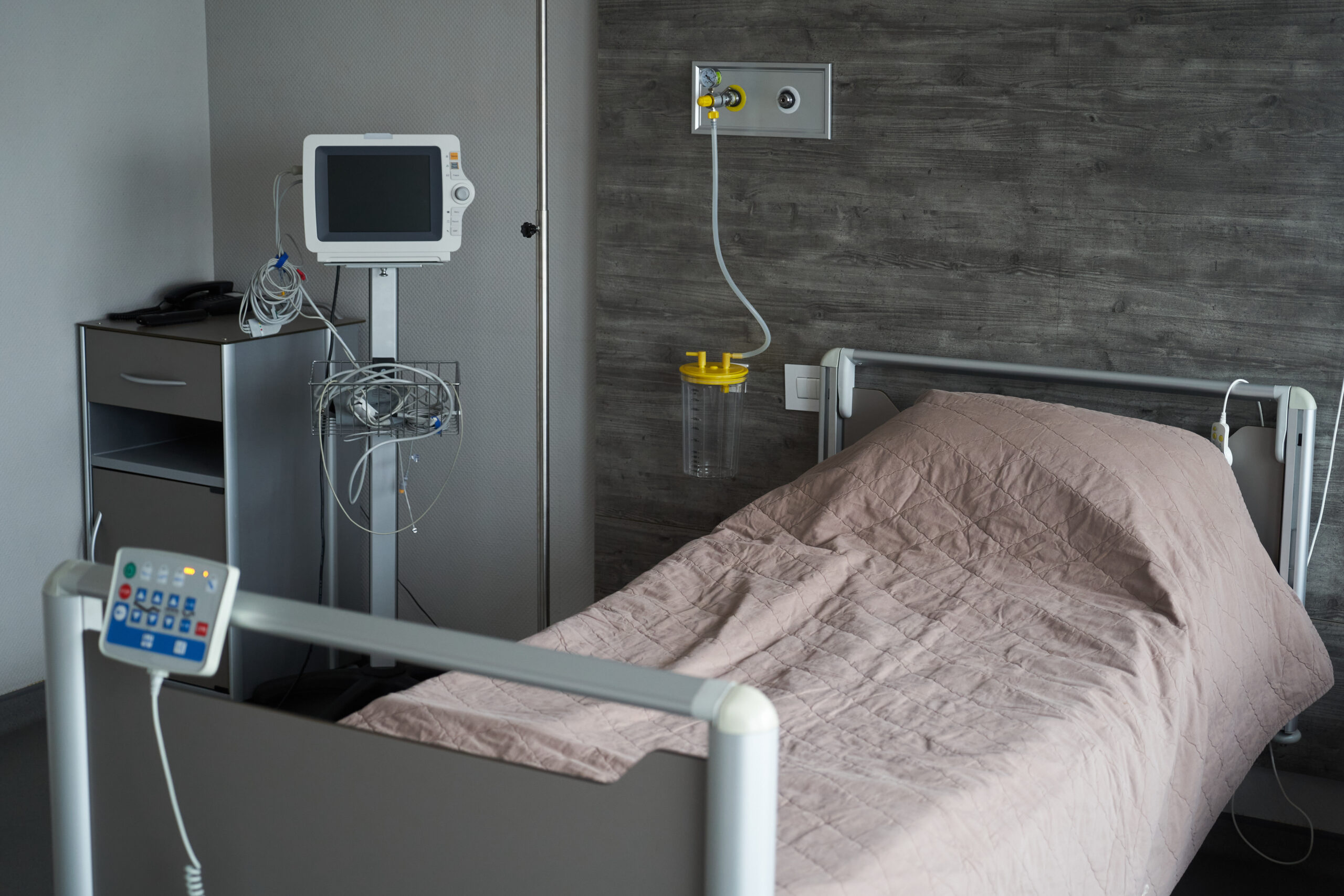

I am a physician specializing in mental health and addictions, and I recently experienced a shocking encounter with medical assistance in dying in the case of a family member, deeply affecting those closest to her.
My father is a retired physician living in the Interior. When I was in medical school, he left my mother (a devout Catholic) and eventually divorced her. A significant stressor in their marriage, I believe, was my older brother’s mental illness, which began when he was 20. My brother stayed with my mother, and his struggles inspired me to focus my career on mental health.
My father remarried a nurse 15 years his junior. About three years ago, his spouse began having memory troubles, initially struggling to find words and forming halting sentences. She was eventually diagnosed with vascular dementia, a condition her mother and brother also had.
My father’s spouse expressed her desire not to live as long as her mother, who became unable to perform activities of daily living. She mentioned MAiD as a possibility but did not make a formal decision. Over the past year, her illness progressed steadily. Although she could still manage her personal hygiene and other activities, she became increasingly disturbed by things she once enjoyed, like music.
She began exhibiting irrational and impulsive behaviour that escalated over time. She insisted they move into a rest home immediately, threatening to leave if he didn’t agree.
A few weeks later, her daughter visited from Penticton and spent a month with her. During this time, they visited a doctor, and my father’s spouse declared she wanted MAiD “tomorrow.” The doctor told her she would need to wait a week. My father and her daughter were shocked and felt powerless.
I shared my concerns with my father, stating that she likely had untreated depression and had been displaying irrational and impulsive behaviour. Nevertheless, a week later, she was dead.
At the same time, I have been caring for my 89-year-old mother since last Christmas. She was diagnosed with aggressive uterine cancer, followed by metastatic breast cancer in June. She also has significant dementia, heart and kidney failure, and diabetes. Despite the challenges, I cherish having my mother with me.
As a physician, I have provided palliative care throughout my career, including in rural underserved areas and later for patients in Surrey with terminal cancer and serious mental health conditions. I have also assisted with palliative care for family members in my mother’s small Mexican village.
Palliative care physicians I’ve spoken with generally oppose MAiD. Like me, they believe that with proper support and medication—not unnecessarily prolonging life but also not taking steps to end it—patients can be cared for with dignity. Providing this care takes time and effort, yet we have far too few palliative care physicians. Meanwhile, one of the psychiatrists at my workplace, which serves severely mentally ill patients, is leaving to focus more on MAiD—a decision suggesting it is lucrative enough to attract specialists.
I find it a privilege to serve the marginalized and poor in our society. I dread what MAiD may soon mean for them. The experience with my father’s spouse already shows it is out of control. We must advocate for positive solutions that support those who are ill, lonely, or overwhelmed.
Your voice matters! Join the conversation by submitting a Letter to the Editor here.







