
Lately, some grocery stores in our small town in rural Nova Scotia have been experiencing protein shortages. Signs have popped up in the dairy section explaining that the lack of yogurt and cottage cheese is due to “an increased demand in these products.” A stocker told me it is due to the huge explosion in popularity of these products as a high source of protein.
If you are on social media, chances are you have seen multiple reels and podcast clips talking about the importance of increasing protein consumption. Protein, say the many talking heads, is the answer to many health problems. Eating the right amounts of protein at the right times can apparently lower blood sugar levels, help with weight loss, lessen the frequency and severity of headaches, build muscle—the list goes on.
Protein is not a new discovery; it’s been around since time began. This latest bombardment of protein education is telling us that we have not placed enough importance on protein, that there are better sources of protein out there, that we need much more protein than we generally get and that we have to be more intentional about our protein consumption. Additionally, most of us have let carbohydrates and sugars take the place of the proteins our bodies so desperately need, resulting in the need to retrain our bodies to want more of what’s better for them.

This seemingly incessant talk of protein for our physical bodies should also draw our attention to how we are feeding our souls. What kind of spiritual food are we living on? Are our souls craving spiritual protein? Are we clogging up our spiritual systems with a lot of convenience calories that it does not need, and, indeed, might even be making it sick? How intentional are we about how we approach Jesus in the Eucharist? What if we gave spiritual protein the same attention we give to dietary protein?
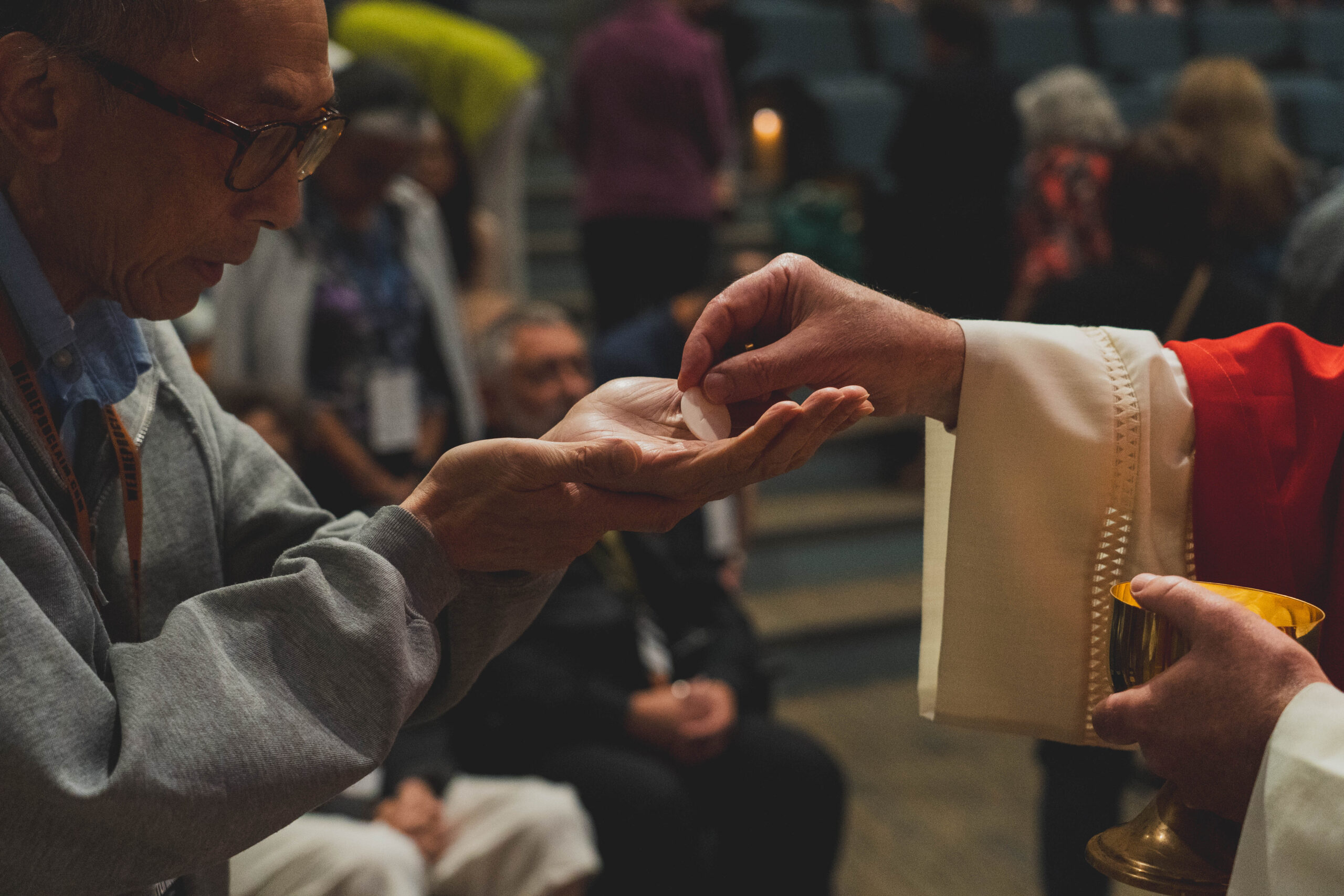
Every year, the Church celebrates what one might call an annual focus on divine nutrition. The Solemnity of the Most Precious Body and Blood of Christ (this year: June 8) focuses on the ultimate spiritual protein — Jesus himself. Our souls are designed to be fed with this spiritual protein God has given us. Many Catholics have the opportunity to receive Jesus in the Eucharist on a daily basis, but the Church tells us we should receive him at least once a week on Sunday, and we must receive him at least once a year at Easter.
Frequent reception of the Holy Eucharist does for our souls what protein does for our bodies. It strengthens us spiritually. The Body of our Lord is the source of grace that connects us to him intimately. When we receive holy communion worthily, we are remembering Christ’s sacrifice, which should remind us how much he loves us. This begs the question: How intentional are we about receiving the Eucharist? Is going to communion just a habit, or does it get the special emphasis that it deserves in our lives?
Every time we receive the Eucharist, our spiritual muscles get a boost. Life on this earth is not easy. We need to be strong spiritually to face the challenges we encounter. The Eucharist is Christ’s actual flesh and blood, which allows us to respond in love to him by living a Christ-like life. If we are struggling with a certain sinful behaviour, sorting out a problem, or even facing an illness or grief from a loss, the Eucharist builds up our resolve to desire God’s will in our lives and meet our struggles with grace.
The Eucharist helps with spiritual weight lose as well. The Church teaches that we must be free of mortal sin in order to take part in the table of the Lord—they weigh us down. Mortal sins are sins of grave matter, committed with full knowledge and consent, that have separated us from God. We must rid ourselves of their weight through the Sacrament of Reconciliation before we receive our Lord in the Blessed Sacrament. We all struggle with venial sins, which may not be overtly serious but are still weighing us down on our faith journey or in our relationship with others. We can and should confess these sins, but we can also ask Christ to rid us of that weight through our reception of him in the Eucharist.
The world may be a little protein crazy at the moment, which may not be a bad thing physically and spiritually. Along with adding to your food diet all the chicken, beef, Greek yogurt, cottage cheese and any number of other sources of protein, don’t forget to beef up your spiritual protein intake. We are not just bodies on this earthly journey. We are very much body and soul, most of us with souls crying out for some divine sustenance.
Your voice matters! Join the conversation by submitting a Letter to the Editor here.