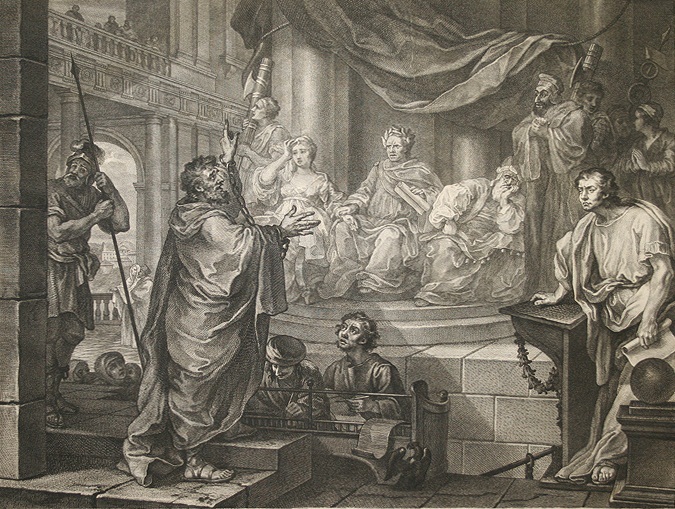

Lorenzo Scupoli in The Spiritual Combat devotes chapter 19 to resisting the lust of the flesh. Scupoli proposes practical counsels including turning immediately from impure thoughts, avoiding idleness, practicing custody of the eyes, moderating food and drink, avoiding occasions of sin, and invoking Christ Jesus.
St. John Cassian teaches that fasting, vigils, and manual labour help tame the flesh and reduce the intensity of carnal desire, and that the mind must be rigorously guarded from fantasy. Cassian also emphasizes grace: no one attains perfect purity by effort alone. He points out that chastity has degrees – from external continence to interior purity even in dreams.
Our Lord said, “Everyone who looks at a woman with lustful intent has already committed adultery with her in his heart” (Mt 5:28). St. John Chrysostom wrote extensively about the dangers of impure thoughts and provocative entertainments, emphasizing the need to guard the eyes and fill the mind with Scripture and prayer.
St. Thomas Aquinas identifies lust as a capital vice because it gives rise to blindness of mind, rashness, and hatred of God. Aquinas’ remedies align with the Church Fathers: mortification, custody of the senses, avoidance of occasions, prayer, and the strengthening of charity.
St. John Bosco developed a distinctive approach to teaching chastity to young people. He emphasized a preventive rather than punitive method, focusing on keeping youth engaged in meaningful activities, work, and study.
St. John Bosco believed that idleness and bad companionship were primary dangers to chastity. his approach centred on “reason, religion, and loving-kindness” as the three pillars of moral education. He encouraged frequent reception of the sacraments and devotion to Mary as sources of grace and strength.
St. John Paul II articulated a profound understanding of chastity in his Theology of the Body. He taught that chastity protects the dignity of the person by safeguarding sexuality as a language of authentic self-gift.
St. John Paul II emphasized that the body reveals the person and expressed what he called “the nuptial meaning of the body” – the capacity for total self-gift in love. Rather than viewing chastity as merely restriction, St. John Paul II presented it as the virtue that enables authentic love and protects the true meaning of human sexuality.
The modern digital culture introduces unprecedented challenges. Pornography is a direct assault on the capacity for genuine love, producing addiction and emotional fragmentation. The accessibility and anonymity of digital media have created new occasions of sin that require renewed vigilance and concrete strategies for protecting purity.
Father Jacques Philippe emphasizes the importance of maintaining peace in the spiritual life. He teaches that we should not be discouraged by our emotional reactions and temptations – God permits these struggles to keep us humble and dependent on his grace. The key is not to consent to temptation while recognizing our weakness. Father Philippe stresses that only Christ’s grace can win us the victory, and therefore our chief weapons are prayer, patience, and hope.
Cardinal Robert Sarah teaches that in our noisy, distracted world, we must create interior silence to resist the assaults of temptation and worldliness. True spiritual combat requires withdrawing into the silence of prayer to encounter God and draw strength from him.
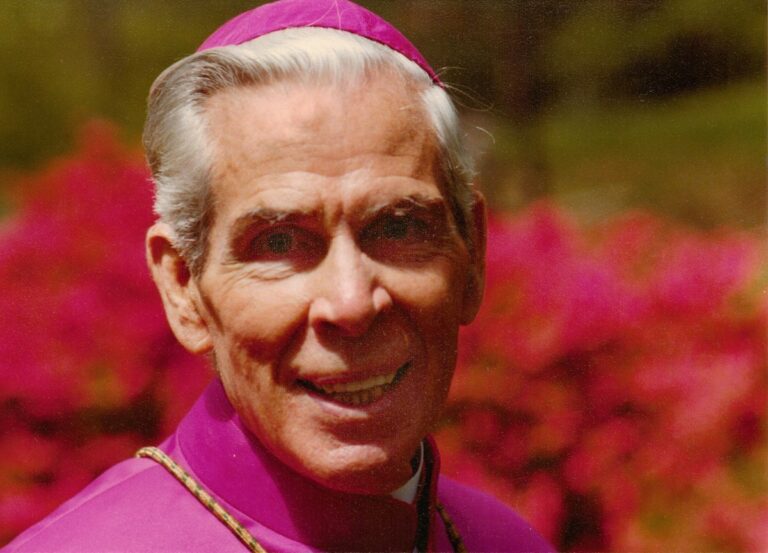
Archbishop Fulton J. Sheen frequently taught that there is no Christianity without the cross, and no salvation without self-denial. The spiritual life requires daily picking up one’s cross and following Christ. Our passions and concupiscence are effects of original sin, and conquering them requires supernatural grace obtained through prayer and the sacraments.
Across all these teachers, certain principles emerge consistently:
The primacy of grace: Human effort alone is insufficient; we must rely on God’s grace through prayer and the sacraments.
Practical vigilance: Custody of the senses, avoidance of occasions of sin, and filling the mind with holy things.
Active virtue: Idleness is dangerous; engaging in meaningful work, study, and recreation helps protect chastity.
Positive formation: Rather than focusing solely on restriction, authentic teaching on chastity emphasizes the beauty of purity and the dignity of the human person.
Humility and perseverance: Recognizing our weakness while trusting in God’s mercy and continuing to strive despite falls.
St. Augustine said, “Chastity, or cleanness of heart, holds a glorious and distinguished place among the virtues, because she, alone, enables man to see God; hence Truth itself said, ‘Blessed are the clean of heart, for they shall see God.’”
Your voice matters! Join the conversation by submitting a Letter to the Editor here.
貞潔之戰:以古老智慧迎戰現代試探
羅倫佐斯庫波里(Lorenzo Scupoli)在「神修戰鬥」(The Spiritual Combat)第19章中,專論如何抵抗肉身的情慾。斯庫波里神父提出多項實際建議,包括:一出現不潔念頭便立刻轉移心思、避免懶散、操練目光的節制、節制飲食、避開犯罪機會,以及呼求主耶穌。
聖若望卡西安(St. John Cassian)教導說,禁食、守夜與體力勞動有助於制服肉身,使情慾的衝動減弱;同時心神必須嚴加看守,不讓幻想入侵。卡西安也強調恩寵的重要:沒有人能單靠自己的努力達到完美的純潔。他指出,貞潔有不同層次 – 從外在的節慾,到連夢中也保持內心的純潔。
主耶穌說:「凡注視婦女,有意貪戀她的,他已在心裏姦淫了她。」(瑪 5:28)金口聖若望(St. John Chrysostom)大量論述不潔思想與挑逗性娛樂的危害,強調必須守護雙眼,並以聖經與祈禱充滿心靈。
聖多瑪斯亞奎那(St. Thomas Aquinas)指出,迷色是一項首要惡習,因為它會導致心盲、魯莽與對天主的仇恨。亞奎那的治療方式與教父們一致:克己、節制感官、避開犯罪機會、祈祷,以及增強愛德。
聖若望鮑思高(St. John Bosco)對教導青年貞潔有獨特的方法。他強調預防勝於懲罰,著重讓青年保持忙碌,投入有意義的活動、工作與學習。 鮑思高認為,懶散與壞朋友是貞潔的主要危險。他的教育方法以「理性、宗教、仁愛」三大支柱為核心。他鼓勵青年常領聖事,並敬禮聖母,以獲得恩寵與力量。
聖若望保祿二世在「身體神學」中提出深刻的貞潔觀。他教導說,貞潔之德保護人的尊嚴,因為它守護了性,使之成為真誠自我奉獻的語言。若望保祿二世強調,身體彰顯人本身,並表達他所稱的「身體的婚配意義」- 即在愛中完全自我奉獻的能力。他並不把貞潔視為限制,而是視為使人能夠真正去愛、並保護人類性意義的德行。
現代電子科技文化帶來前所未有的挑戰。色情作品直接攻擊人對真愛的能力,使人陷入成癮與情感破碎之中。電子媒體的可及性與匿名性,形成了新的犯罪機會,促使我們必須以更警醒的態度,並採取具體而有效的方式來守護純潔。
雅克斐理神父(Father Jacques Philippe)強調在靈修生活中保持內心平安的重要。他教導我們不應因情緒反應或誘惑而氣餒 – 天主容許這些掙扎,是為使我們保持謙卑並依靠祂的恩寵。關鍵在於不向誘惑妥協,同時承認自己的軟弱。斐理神父指出,唯有基督的恩寵能使我們得勝,因此我們最重要的武器是祈禱、耐心與希望。
薩拉樞機(Cardinal Robert Sarah)教導,在這個喧囂、分心的世界,我們必須建立內在的沉默,才能抵抗誘惑與世俗的侵襲。真正的神修戰鬥需要退入祈禱的沉默中,與天主相遇並從祂那裡汲取力量。
總主教富爾頓舒恩(Archbishop Fulton J. Sheen)常教導:沒有十字架,就沒有基督徒;沒有自我否定,就沒有救恩。靈修生活需要每天背起自己的十字架,跟隨基督。我們的情慾與私慾是原罪的後果,要戰勝它們,需要藉著祈禱與聖事所獲得的超性恩寵。
綜觀以上諸位聖師,若干共同原則清晰浮現:
- 恩寵為首:人力不足,必須透過祈禱與聖事,依靠天主的恩寵。
- 實際的警醒:節制感官、避開犯罪機會、以聖善事物充滿心靈。
- 積極的德行:懶散危險;投入有意義的工作、學習與娛樂,有助守護貞潔。
- 正面的培育:真正的貞潔教育不只談限制,更彰顯純潔之美與人的尊嚴。
- 謙遜與恆心:承認自己的軟弱,信賴天主的仁慈,即使跌倒也不放棄努力。
聖奧斯定說:「貞潔-或稱心靈的潔淨-在諸德行中佔有光榮而卓越的地位,因為唯有她使人得以看見天主;因此,真理本身說:『心裡潔淨的人是有福的,因為他們要看見天主。』」
Your voice matters! Join the conversation by submitting a Letter to the Editor here.