


Around the beginning of June, I sent a note to a tech colleague wondering if cable TV and internet service provider Shaw Communications would be facing legal action over its advertising use of the term “Fibre+.”
Specifically I mused that surely arch-rival Telus Communications, which offers PureFibre Internet, would file suit on the grounds of confusion elicited by Fibre+ branding, perhaps leading consumers to believe the Shaw service might somehow be even better than “just fibre.” Shaw’s advertising boldly stated, “Fibre+ gig speeds have arrived.”
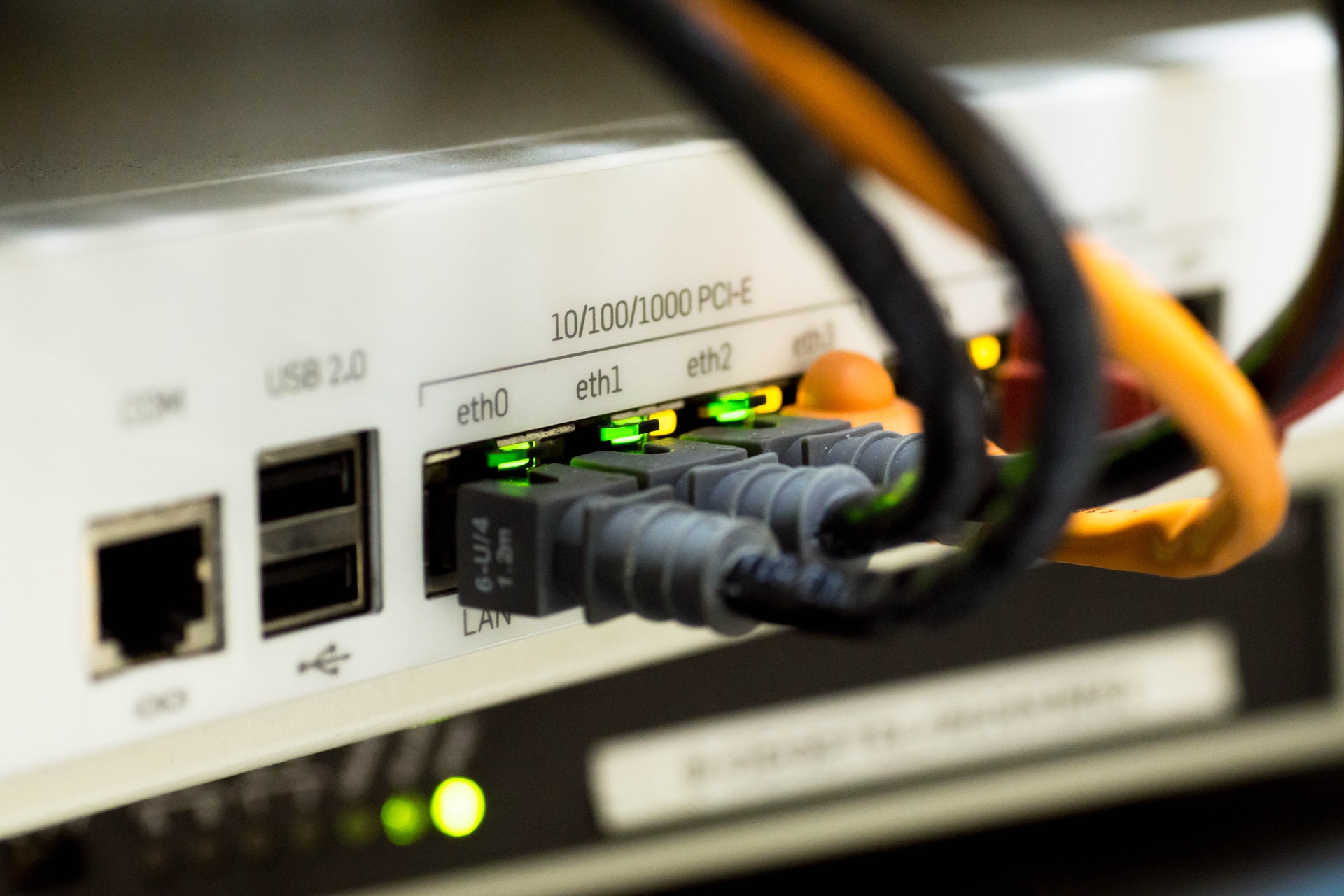
Over the past decade both of these companies have aggressively upgraded their networks, in Shaw’s case replacing all but the so-called last mile of copper wiring with glass fibre, and in the case of Telus actually running fibre to the home (FTTH) in certain areas. With ever-increasing demands for internet and TV content into our homes, glass fibre has become crucial to the big telecoms.
Fast-forward two weeks and Telus had filed a civil suit against Shaw over its Fibre+ advertising, alleging irreparable harm and damage to its reputation. Specifically, Telus is taking issue with the use of the “+” symbol, although Shaw has previously used the term FibrePlus.
Just what is it that upsets Telus to the point of launching legal action? Well, for starters, this isn’t the first time that the telecom giants have faced off. What is different this time is the fight over gigabit turf, both sides now claiming the ability to deliver one gigabit per second (Gbps) service to homes. Perhaps Telus feels that Fibre+ is too close to its PureFibre terminology.
Not that this means the two services are identical. They aren’t. Shaw’s service is asymmetric, with different upload and download speeds, whereas the Telus delivery is symmetric. For most homes, that difference may have little impact, but if you frequently need to upload large files, say, photographs or videos, you may find the Shaw service simply unusable.
Ultimately, the Shaw service is hamstrung by the lack of FTTH, limiting that outbound feed to around 30 Mbps, as opposed to 1,000 Mbps for Telus. Put another way, the Shaw upload speed is around three per cent of its rival’s.
However, let’s not dwell on that difference too much. The vast majority of users will not notice this variance in typical usage. Most households are consumers of content, rather than creators and deliverers.
Furthermore, most users won’t even notice much of a difference in performance when download speeds increase to the gigabit range. Over the past three years my own home service, with Shaw, has gone from 75 Mbps to 300 Mbps, and most recently, back in November, to 600 Mbps. At each change, the router and modem have been replaced and upgraded, improving coverage in the home, but I’d be hard-pressed to say that the speeds on individual devices have jumped much.
Telus also takes issue with Shaw’s claim that its service in Western Canada is the fastest available, as measured by the speed test service Ookla back in October 2019. Shaw can probably defend that claim on the grounds that it can deliver near-gigabit service across its network, whereas Telus can only do this where it has run FTTH.
Essentially, Shaw has no FTTH, with the exception of perhaps some customers in a few multi-unit buildings. In an interview with The B.C. Catholic, a Shaw spokesperson confirmed the advertising claim that the company’s network is 99.9 per cent fibre, stating that this represents the routing taken by data from internet delivery locations to a customer’s home.
The Shaw spokesperson said the network now has 1.4 million kilometres of fibre in the four Western provinces. When pressed on the matter of the Telus suit, the spokesperson stated, “We don’t believe there is any confusion at all with regards to Shaw’s Fibre+ network name. We call our hybrid fibre coax network Fibre+ because it is truly that: fibre plus more.”
So what does it all mean? Will the companies patch over their differences and move on? The courts will have to rule on the Telus claim, but the fight for customers will continue. Internet delivery is the key – television less so.
Oddly, the dust-up has not led to lower prices. Although both companies have posted package prices, there was often wiggle room, especially for churn (switching providers) customers. That does not seem to be the case at present. For instance, the package for which I paid around $120 in November (Shaw’s Total TV plus 600 Mbps internet) is now around $175.
On behalf of a BCC reader profiled in a previous column, I was attempting to find a package comparable to mine in scope and in pricing but learned that this simply was not possible. This reader wanted to switch from a smaller service supplier, but it would have meant paying substantially more with either of the two majors.
Also, if you happen to subscribe to Shaw’s Limited TV (LTV) plan, the $25 package mandated by the Canadian Radio-television and Telecommunications Commission, hold on to it and make no changes. In May, the company quietly dropped the five American channels included with LTV, but leaving existing subscribers grandfathered. Both Shaw and Telus do everything they can to make it difficult to locate the cheap TV plan on their web sites.
As this column went to press, Telus began advertising a “best deal” TV and PureFibre gigabit internet package at $145 a month, which may prompt Shaw to compete.
Meanwhile, if you are fed up with the majors, consider signing up for Elon Musk’s Starlink satellite-based internet service. His SpaceX company has applied for a licence in Canada and he has indicated a trial service will begin soon.
Follow me on Facebook (facebook.com/PeterVogelCA), on Twitter (@PeterVogel), or on Instagram (@plvogel)







