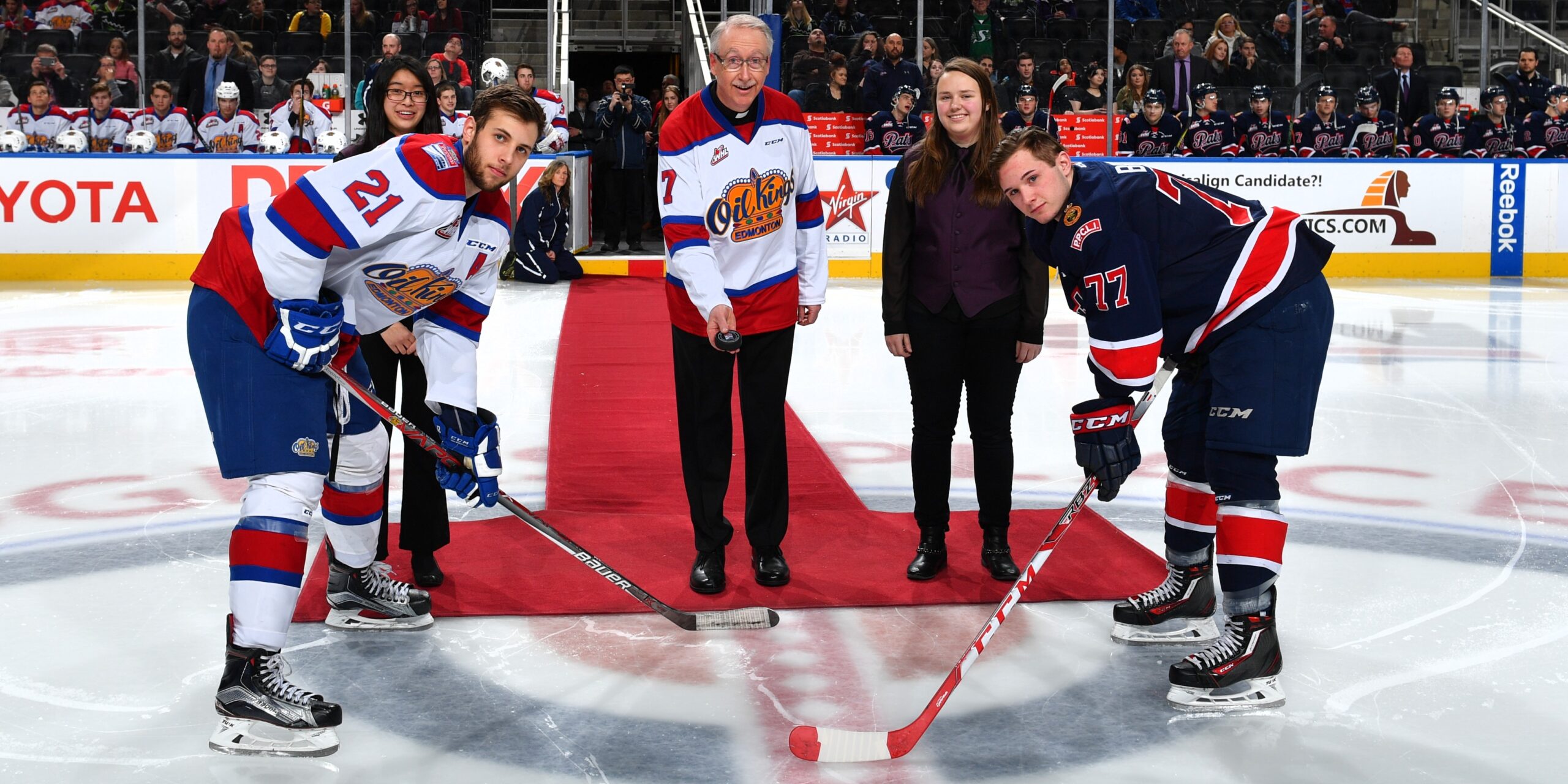

Sports and faith might seem like separate arenas, but for the Catholic Church’s most recent Popes, they’re deeply connected. Both Pope Francis and Pope Leo, as well as Archbishop Richard Smith, have taught how athletics can teach the same virtues the Gospel demands: perseverance, humility, teamwork, and service to others.
Don’t forget where you came from: Pope Francis’ sporting legacy
With the passing of our Holy Father Pope Francis, we reflect on the many initiatives he championed to bring hope to the world and serve the poor. Among his lesser-known but deeply personal commitments was his love for sport—and his belief in its power to develop virtue and unite people across boundaries.
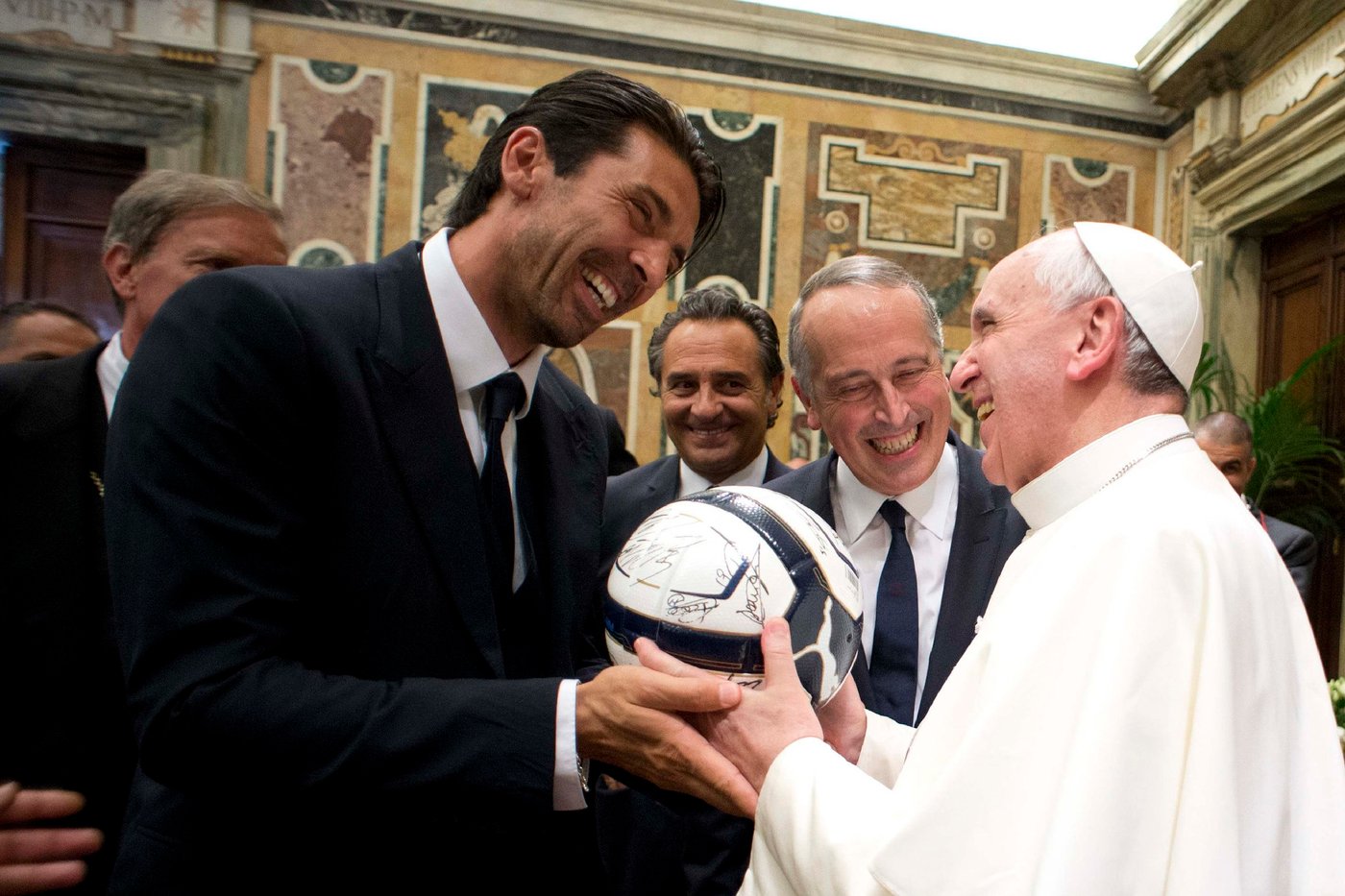
Pope Francis receives a soccer ball as gift from Italy’s goalkeeper and captain, Gianluigi Buffon, during a private audience at the Vatican in 2013. (CNS photo/L’Osservatore Romano via Reuters)
Growing up in Argentina, it’s no surprise that Jorge Bergoglio’s first sporting love was soccer. He never considered himself a talented player (he was nicknamed “hardfoot”) but remained a devoted fan of San Lorenzo, his local team. As Pope, he once welcomed the San Lorenzo squad to the Vatican after they won the league title—trophy in hand. Over the years, he also hosted the Italian national soccer team, Grand Slam tennis champion Juan Martin del Potro, and countless other world-class athletes.
A soccer stadium in Argentina is now being built in his honour. Despite being from the same country as Lionel Messi, Pope Francis often said his favourite player was Brazil’s Pelé, citing his perseverance and sportsmanship.
Pope Francis frequently warned against letting sports become a kind of false god, pointing to the violence and fanaticism that can mar both amateur and professional competitions. In Beyond the Limits, his book on athletes and competition, he celebrated the many gifts sports can offer: physical and mental health, camaraderie, teamwork, and moral formation.
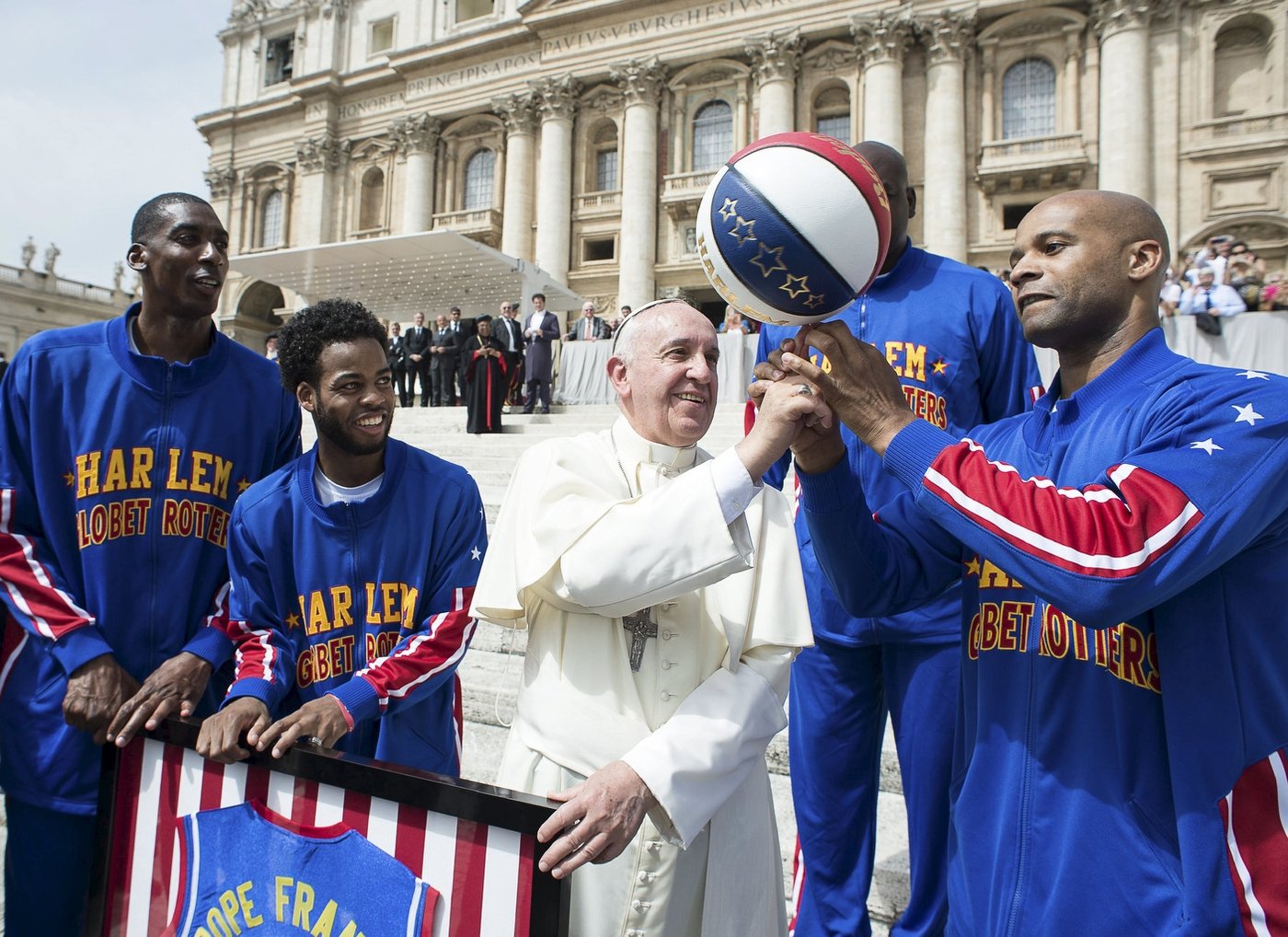
Pope Francis smiles as he plays with a basketball next to members of the Harlem Globetrotters basketball team in St. Peter’s Square at the Vatican in 2015. (CNS photo/L’Osservatore Romano via Reuters)
“Sports has a role to play in education, the ability to express talent, helping build communities, develop respect and fair play while being a messenger of peace.”
— Beyond the Limits
He emphasized that sports figures must show humility and gratitude, never forgetting their roots or the fields where they first learned to play.
“Don’t forget where you came from, those pitches in the outskirts, that place for prayer.”
— MSNBC interview
Like in all areas of life—music, academics, faith—Pope Francis reminded us that success requires effort, sacrifice, and patience.
“Sports champions demonstrate that great achievements are not achieved overnight … this is even more true for faith and love; we must always have perseverance.”
— Beyond the Limits
Speaking at a 2023 conference on sports, he outlined three essential virtues for athletes:
- Training – hard work and persistence
- Discipline – respect for rules and openness to growth
- Motivation – fidelity to one’s calling and consistent witness
“Sports is a metaphor for life.”
— Vatican News
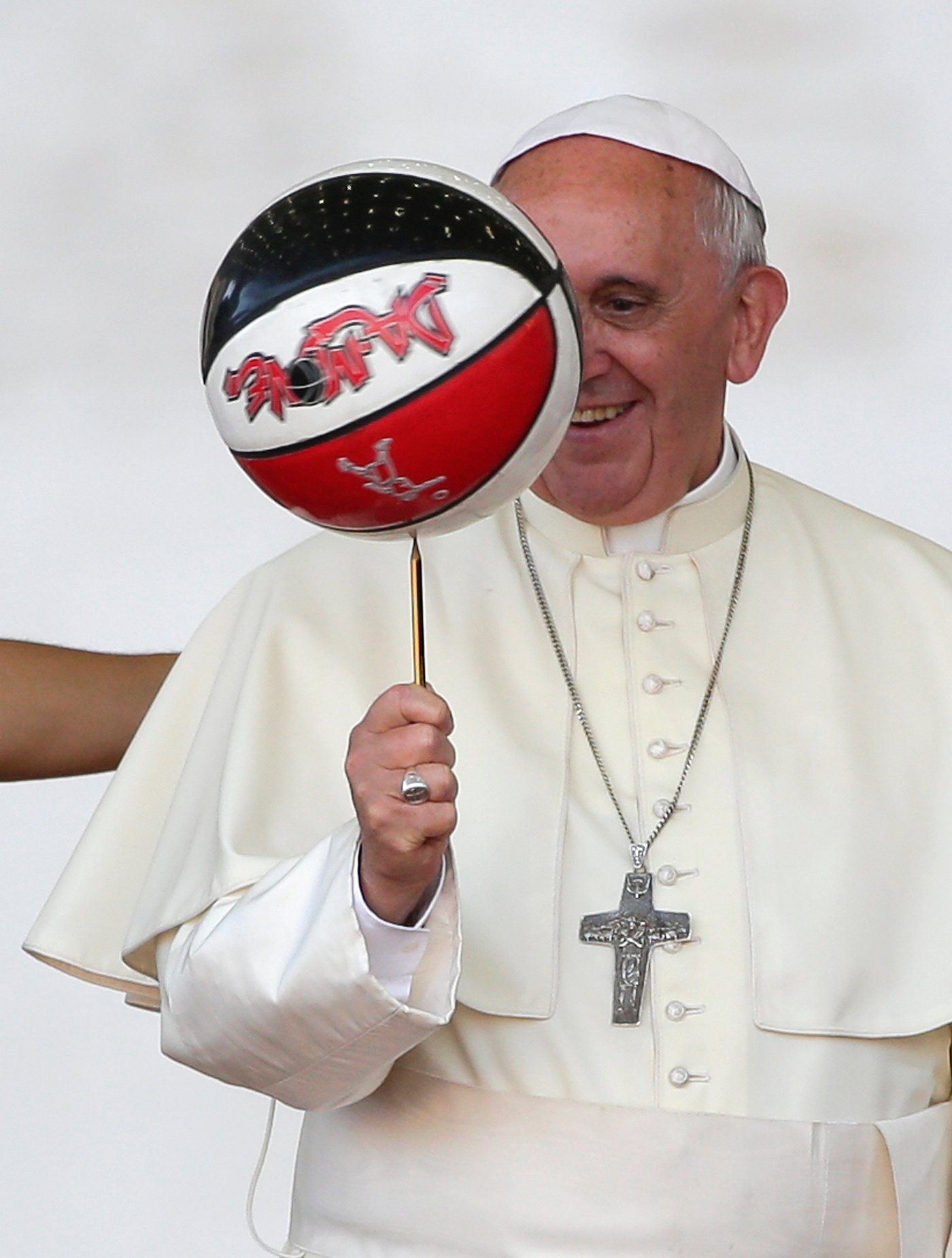
Pope Francis balances a basketball during a special audience for members of CSI (Italian sport centers) in St. Peter’s Square at the Vatican in 2014. (CNS photo/Max Rossi, Reuters)
A strong supporter of the Special Olympics and grassroots sport, Pope Francis saw recreation as a tool for social inclusion and human dignity. He encouraged organizations to expand their reach to serve all children, especially the poor and marginalized.
“All in the Church must understand sport as a means for mission and sanctification.”
— Dicastery for the Laity, “Giving the Best of Yourself,” 2018
He also held up coaches as vital educators in the lives of youth, calling them to be witnesses of faith and integrity.
“Coaches play a critical role as educators of and ministers to youth: pray with, testify to, and catechize them. They must be child-centred teachers who understand what children need to grow as people.”
— Vatican News, 2015
Pope Francis held athletes and sports institutions to high standards, always reminding them that sports is a means—not an end. He urged us to pursue virtue through sport, not glory. Thank you, Holy Father, for your tireless witness to the Gospel—on and off the field.
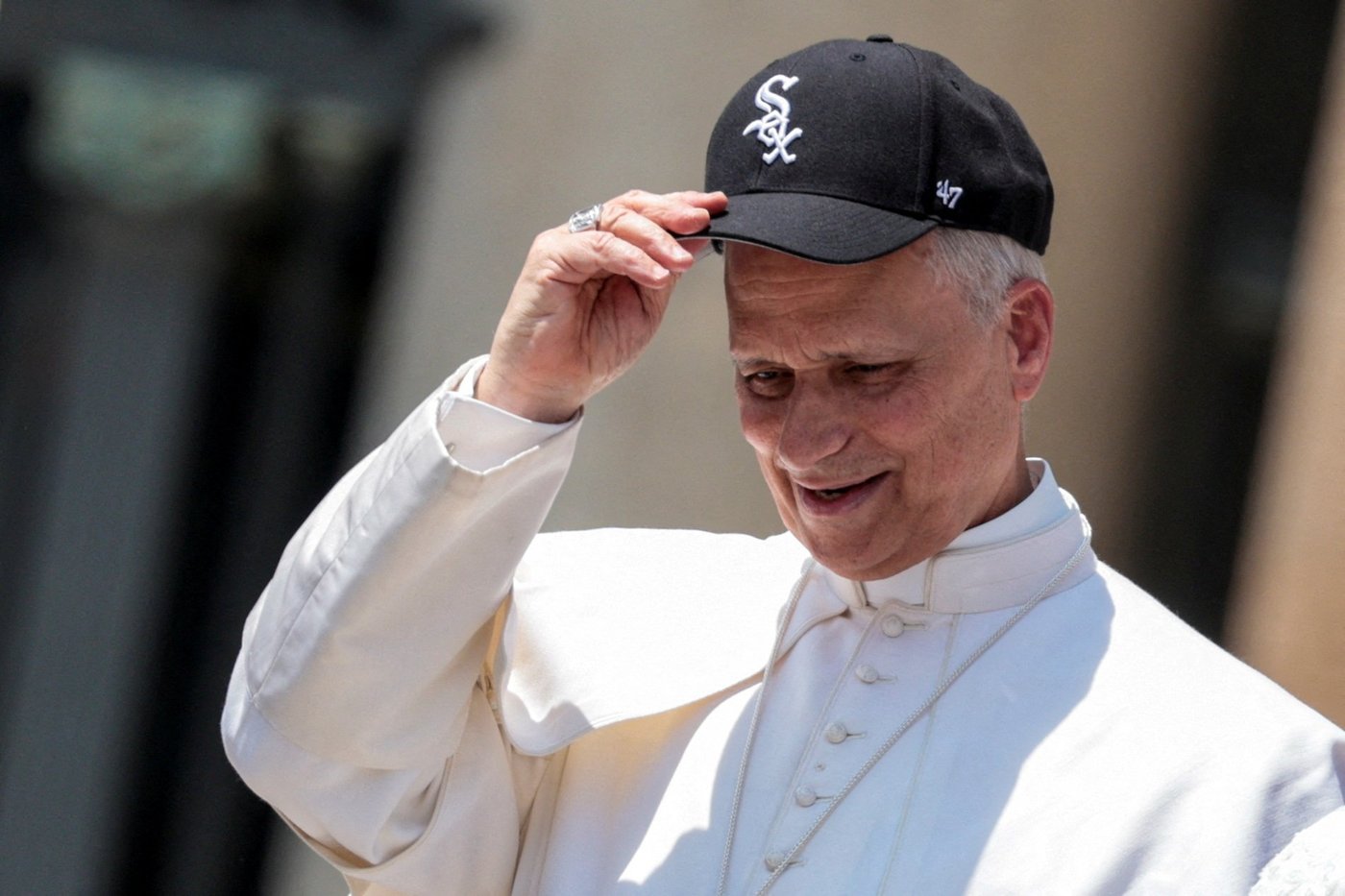
Pope Leo XIV wears a Chicago White Sox baseball cap during his weekly general audience in St. Peter’s Square at the Vatican June 11, 2025. (OSV News photo/Remo Casilli, Reuters)
Choosing the right team: Pope Leo and Archbishop Smith on Christian discipleship
This is a time of great excitement and hope for the Church in Vancouver, with the election of Pope Leo and the installation of Archbishop Richard Smith. Both have spoken eloquently about the role of sports in the life of the Church, and their perspectives reflect a deep understanding of how athletics can shape minds, build community, and point toward Christ.
Pope Leo, a lifelong sports fan, grew up on the south side of Chicago and has remained loyal to the White Sox—a commitment that speaks to his patience, persistence, and love for the underdog. He’s also shown interest in football and basketball, but his favourite sport is tennis.
“Quite the amateur tennis player,” as he once described himself, Pope Leo has expressed a desire to return to the court—though it’s likely his new schedule will make that difficult. A Pope Leo Topps trading card is already in the works.
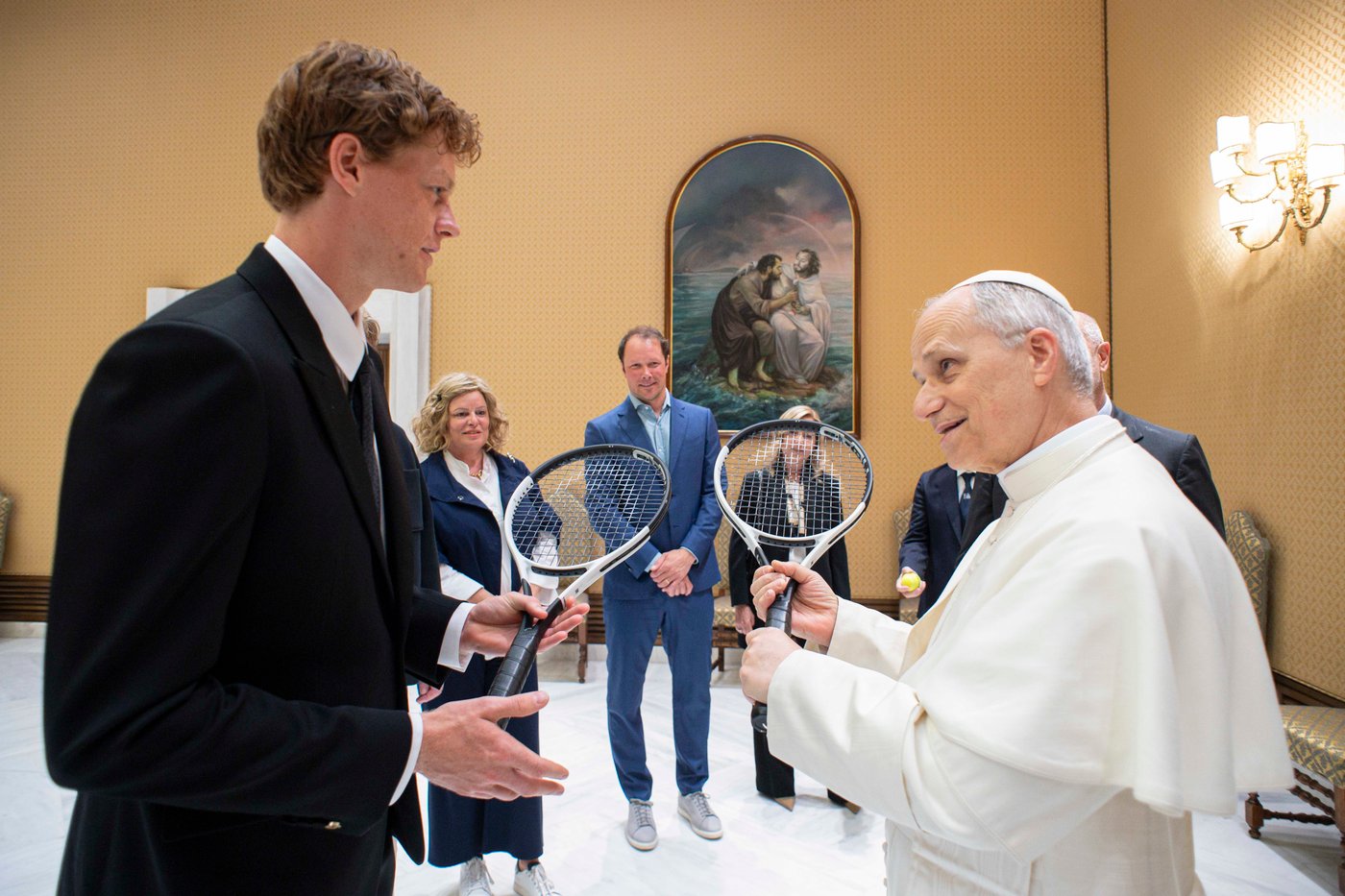
Pope Leo XIV speaks with Jannik Sinner, the No. 1 rated tennis player in the world, May 14, 2025, during a meeting at the Vatican. Jannik gave a racket to the Pope, who likes to play tennis. (CNS photo/Vatican Media)
Much like Pope Francis, Pope Leo sees sport as a tool for building character, discipline, and fraternity. He believes athletes must act with humility and self-gift, recognizing that their influence carries moral responsibility. Sports should always be done for others and to reflect the goodness of God—not as a self-serving performance.
As Archbishop of Edmonton in 2019, Archbishop Smith wrote an article titled “Choosing the Right Team,” published in The Archdiocesan News of Edmonton. In it, he drew a compelling contrast between modern athletes and Christian disciples:
• Control: Athletes often call the shots. Disciples surrender to Christ’s lead. “As a disciple … I join and participate not on my terms but on those of Jesus Christ.”
• Goals: Sports aim for trophies and stats. Disciples aim for heaven.
• Audience: Sports entertain the few. Jesus serves all.
• Fame: Athletes may chase glory. Disciples pursue trust in God and eternal life.
• Team selection: Elite teams pick only the best.
“Jesus does not call the qualified but qualifies those who are called.”
As Archbishop Smith writes, God does call, and the Father responds. “However, our world makes it very difficult to answer. The materialistic lure present not only in professional sports but also in just about every facet of Western society is very strong. In truth, though, the lure is an illusion, and no falsehood will ever satisfy.”
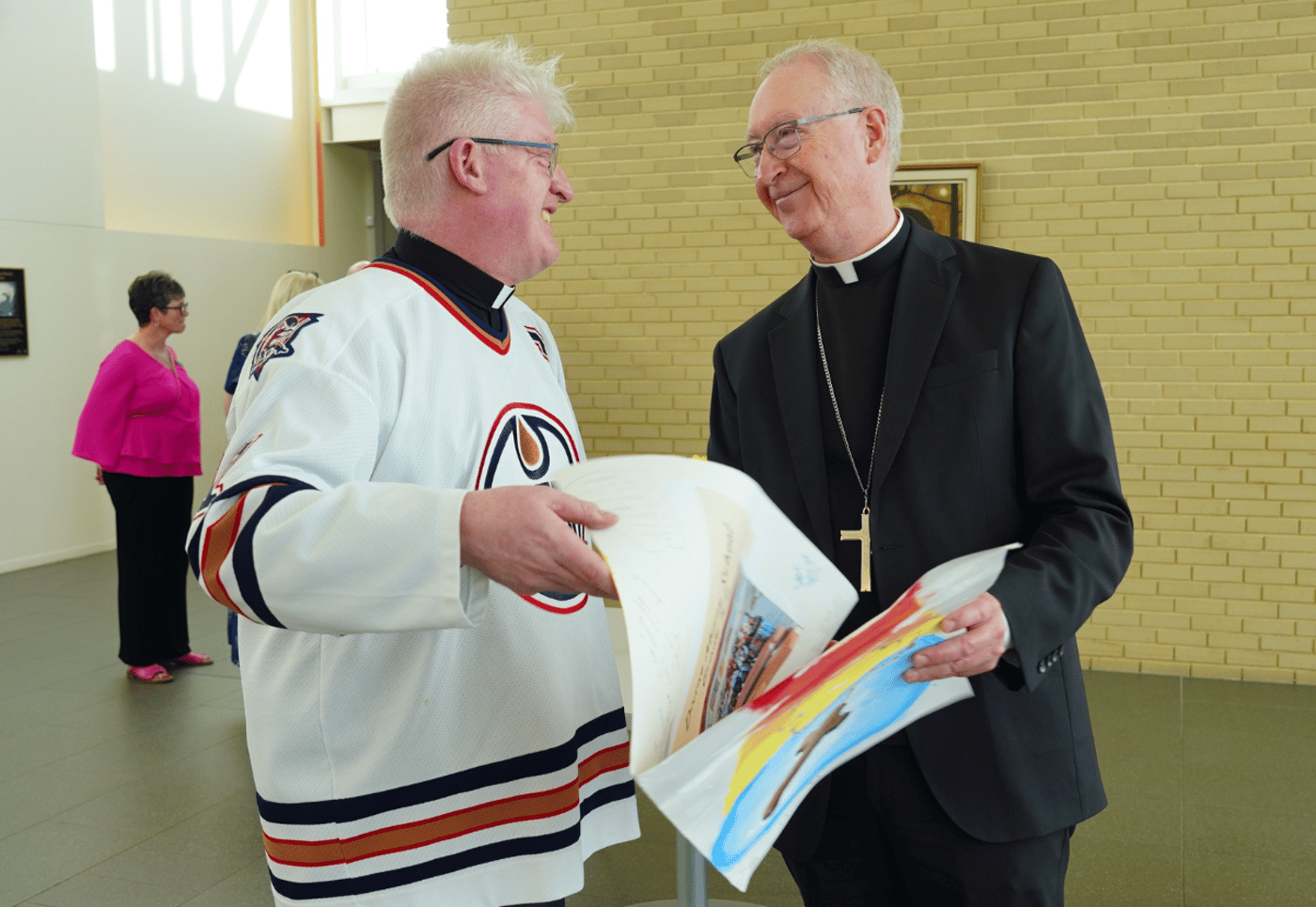
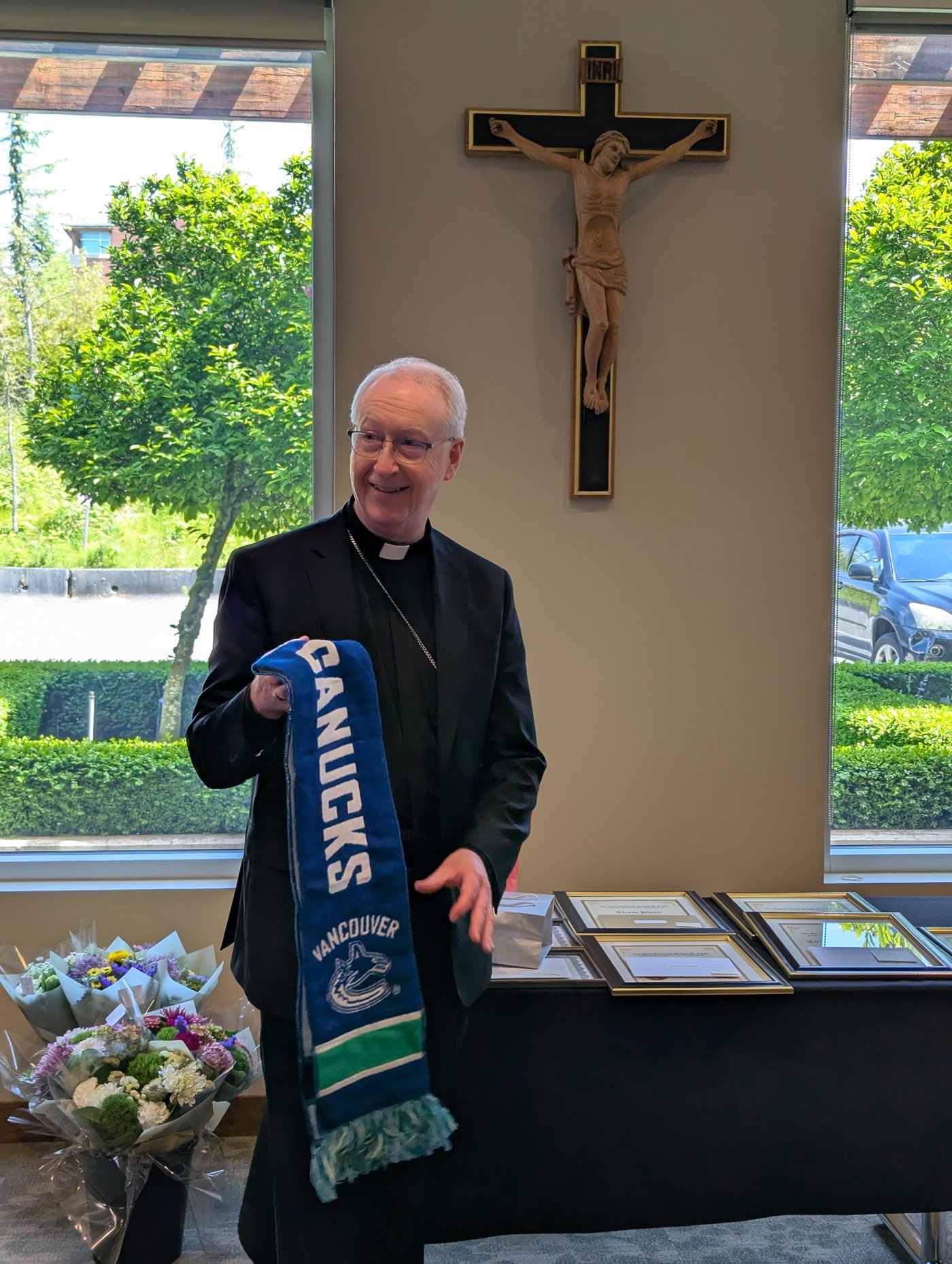
Archbishop Smith ends by asking a simple but powerful question: Why would we ever choose another team?
A line from the 1960s comedy Get Smart comes to mind: “If only he had used his genius for good instead of evil.” That’s the challenge posed to modern athletes. With such power and platform, will they serve themselves—or something greater?
We thank God for the gift of Pope Leo and Archbishop Smith. May their leadership guide us to live our faith with the same passion we bring to the playing field—and may we all strive to be part of Christ’s team.
Your voice matters! Join the conversation by submitting a Letter to the Editor here.