
Most children in the early 1960s were riding bikes, trading baseball cards, or sneaking cookies before dinner. Me? I was learning Latin and carrying candles.
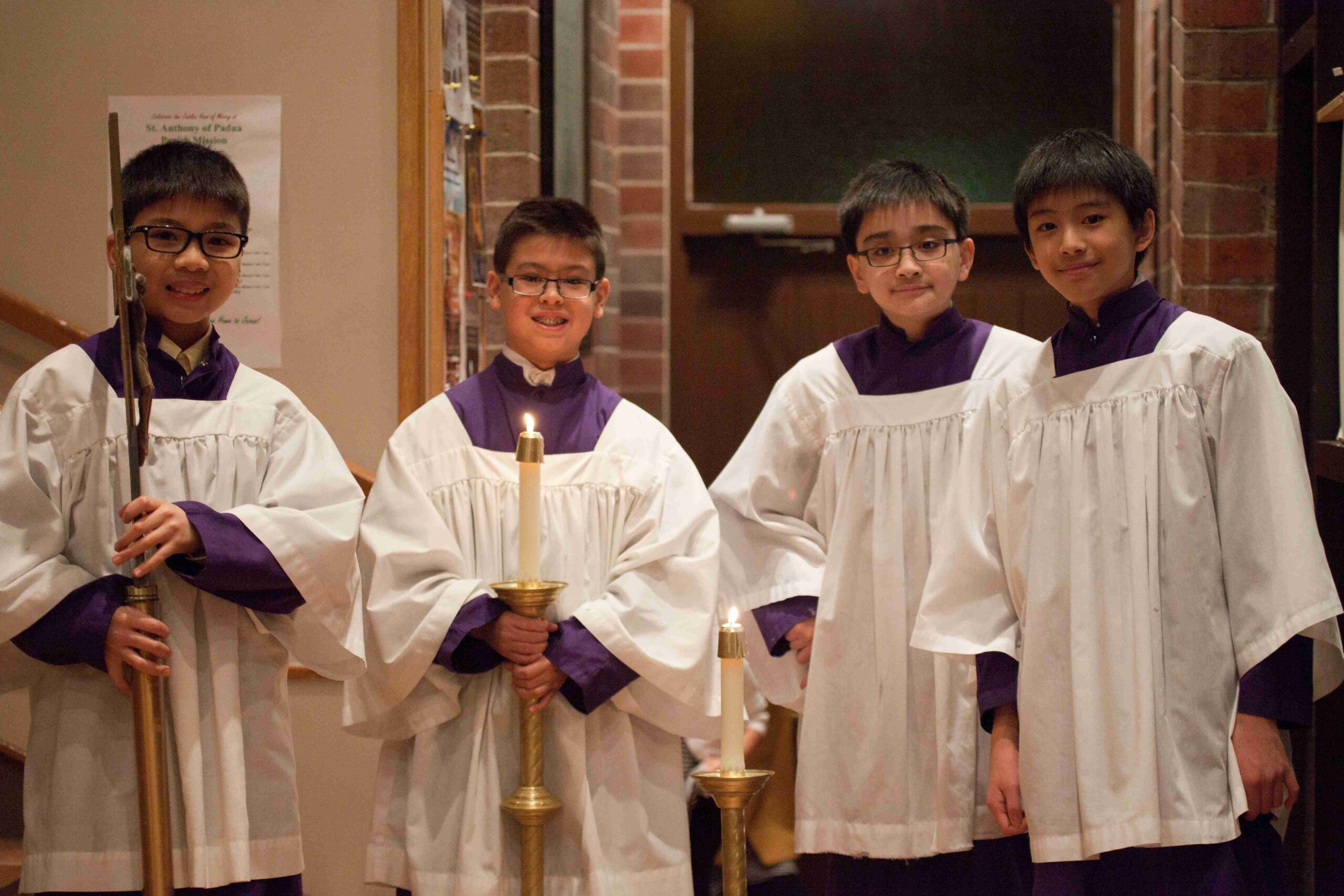
At just 8 years old, I became an altar boy at St. Rose Catholic Church in Saint John, N.B., my first experience with service, and one that would shape my faith, discipline, and sense of purpose and community throughout my life.
Being up at the altar, front and centre in front of a full congregation, might sound daunting, but to me it was an honour. I wasn’t paid (unless you count the occasional wedding tip), but that never mattered. Serving at Mass taught me how to show up on time, keep myself groomed and presentable, and handle responsibilities with quiet confidence. At a young age, I was entrusted with something meaningful, and that left a lasting impression.
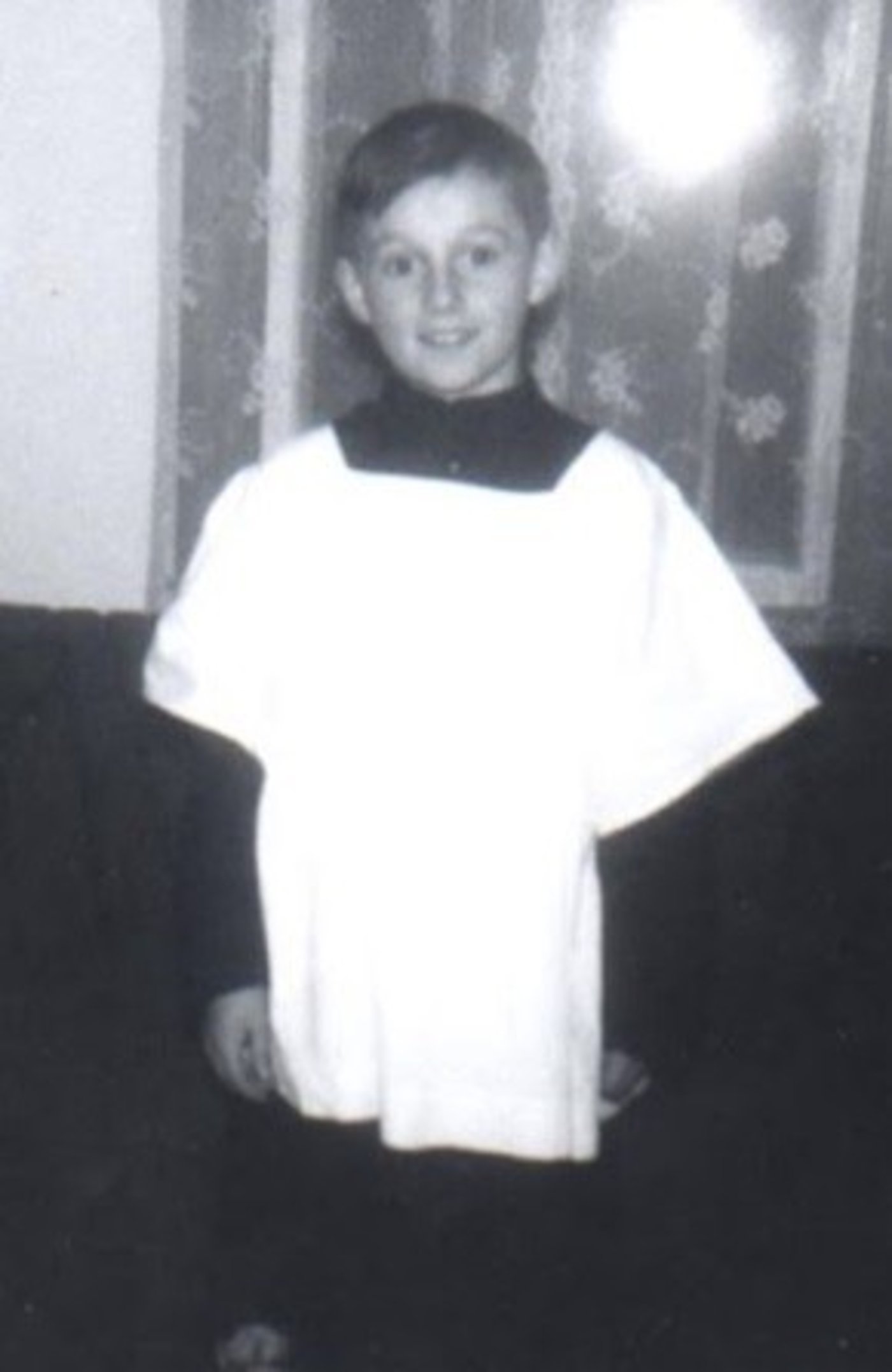
Back then, the Mass was celebrated in Latin. Like many altar boys of the era, I memorized the responses more by sound than understanding. But there was beauty in the rhythm and reverence of it all. The flicker of candles, the incense rising, the deep echoes of Gregorian chant, the combined scent of so many different flowers at the altar … these were sacred sounds, aromas, and sights that stayed with me long after the final blessing.
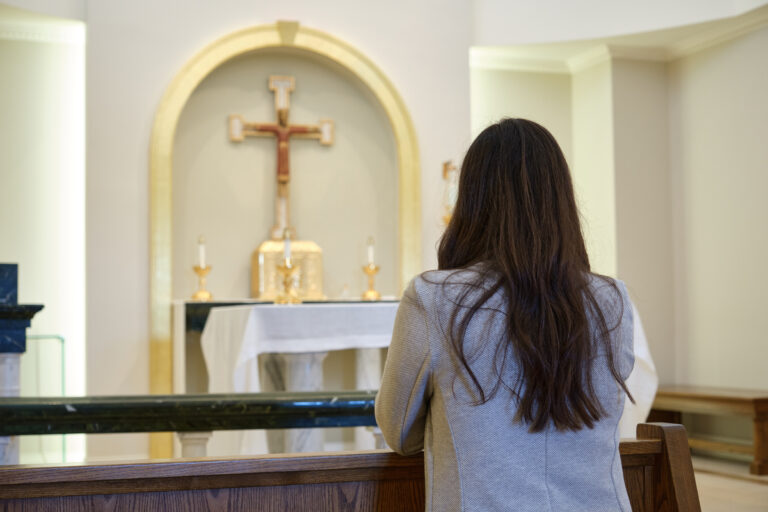
We went to confession every week. the priest would give you a few prayers to repeat to yourself, depending on the severity of the sin(s) you committed and confessed to him. My Mom would watch us as we exited the confessional and said our prayers silently at the altar rail. She probably timed us to calculate how bad we had been that week.
We did not want our parents to catch us not confessing all our sins and believed they might find out just the same, perhaps divinely, if we did not tell the priest. It was scary at times at that age.
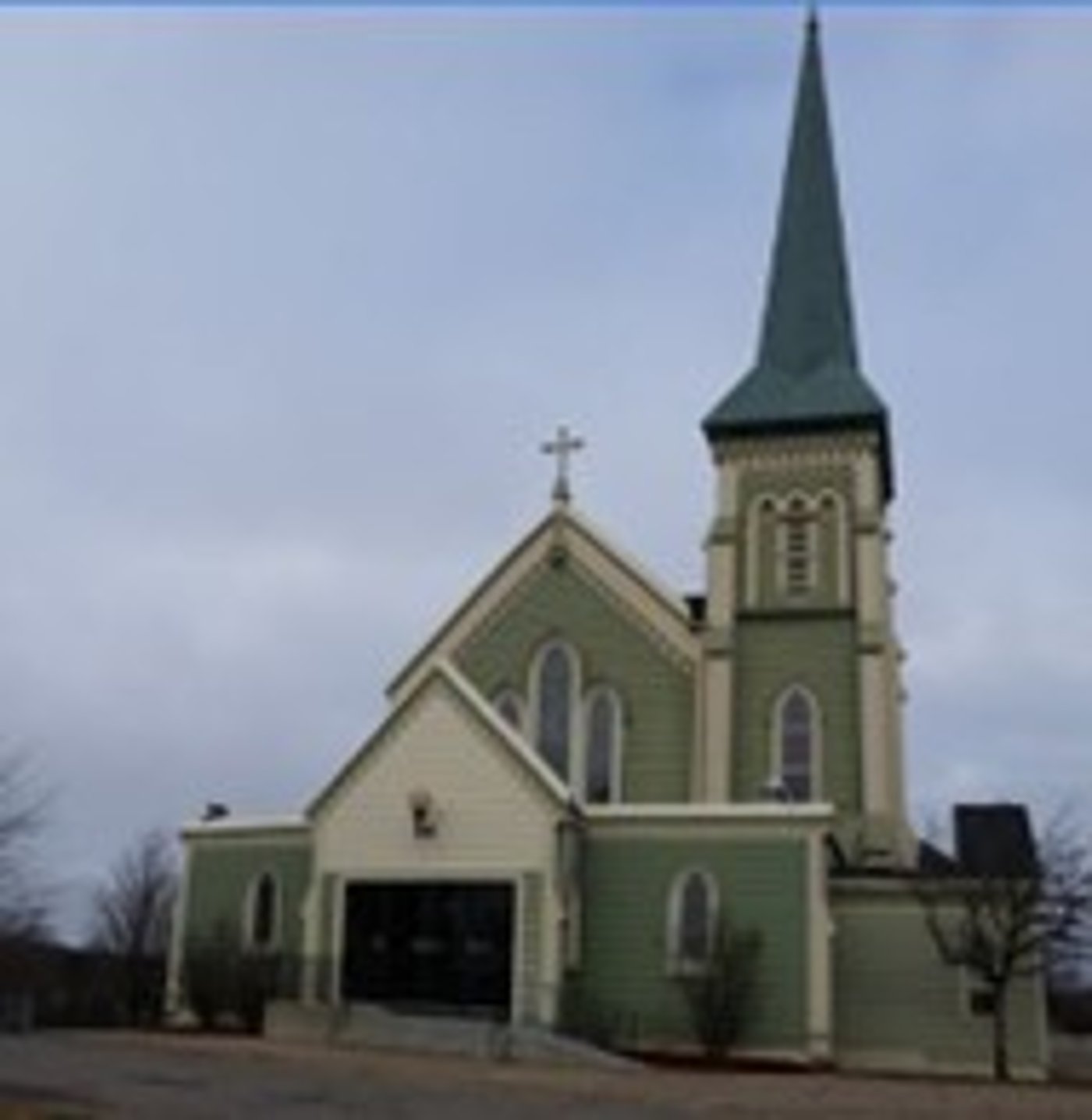
One thing was sacred: Mom and Dad knew almost everything we had done wrong, but they never questioned us about what we had discussed with the priest. It was better to leave us feeling guilt and shame for doing something wrong.
At St. Rose, we had no altar girls, only boys, and I was the only one among my siblings who took up the role. My parents never pressured me; I simply felt called to serve. Our home life was deeply rooted in Catholic tradition. We attended Mass every Sunday without fail, and multiple times a week during Lent.
Snowstorms never stopped us. We bundled up and went anyway, arriving at church to find half the pews empty. My Dad would be so proud that he made the effort that so many could not. My parents’ commitment to faith, even in fierce Canadian weather, was both impressive and inspiring.
Having a solid Catholic upbringing meant I had two fathers: my own, and the priest at St. Rose Catholic Church, Father Osborne, a kind and faithful man. He played a fatherly role to many of us boys, and we all respected him deeply.
I still remember the excitement when he bought the first colour television in our neighbourhood of Milford in 1962. On special Sunday nights, he’d invite the altar boys over to watch Disney or Bonanza, in colour. To this day, I remember the thrill of that glowing screen as vividly as the lessons of the liturgy.
Our duties as altar boys went well beyond Sunday Mass. We served weekday Masses, early morning funerals, weddings, and special holy days. On solemn occasions like Lent and Advent, we were at church nearly every day at 7:30 a.m. At times, it felt like a full-time job, but never without reward. Weddings were joyous events, and a generous bride or groom might leave us with a dollar or two. Once, I even received $10 and got to attend the reception with Father Osborne.
Funerals were another matter. They were heavy, emotional, and humbling for a young soul. We would often stand facing the grieving families, just feet from their sorrow. I learned to carry myself with quiet dignity, not just as a helper, but as a witness to others’ pain. That early exposure to loss gave me an unexpected gift: empathy. I understood, even as a child, the importance of simply being present for someone else’s grief.
Then there were the funeral flowers. From the 1950s to the ’80s, friends and family would send cards and flowers to express their sadness and love for the deceased. Flowers like lilies, carnations, roses, and mums symbolized their remembrance and concern. To my knowledge, donating in memory of the deceased to a charity or organization outside the church did not exist back then. Flowers were sent to the funeral home and the church, and the combined scent of so many fresh flowers created a unique fragrance that was difficult to describe.
Not all memories are so solemn. I’m still amused at the fact that St. Rose didn’t have a single washroom, not even an outhouse, until 1968. If nature called, you had to hustle to the priest’s house next door. Somehow, up to 500 people managed to sit through an hour-long Mass without complaint. Catholics in the ’60s must have had iron bladders!
I remained an altar boy until I was 12 in 1966, growing in faith and responsibility each year. Looking back, those early mornings, pressed cassocks, and whispered prayers at the altar rail weren’t just acts of ritual, they were small offerings of service that taught me reverence, community, and the quiet strength of faith in action.
Today, I see those years as a spiritual apprenticeship. I learned how to serve with humility, stand with dignity, and live with purpose. I wasn’t just helping the priest, I was being shaped by something bigger than myself.
And for that, I remain deeply grateful and wish this experience for youth today.
Tony Hebert is a Moncton-based writer and former altar boy. This is an excerpt from his book Finding My Power of Want, available for free at tonyhebert.com.
Your voice matters! Join the conversation by submitting a Letter to the Editor here.