


Tennis professionals are familiar with the term “tennis parent,” just as we have large numbers of “hockey parents” in Canada.
Around the world you’ll likely find the equivalent in other sports as well. We are talking about a parent who is so obsessed with their child’s success that they not only reduce the possibility of their son or daughter having fun, but they often damage the relationship with their child. In extreme cases this behaviour can even lead to adult behavioural issues for the child.
There are many reasons why nothing but winning will satisfy some parents. It could be that anything less is seen as a poor reflection on them. Perhaps they want their child to benefit from a free education through a sports scholarship. It could be that the money doled out to professional athletes is a huge attraction. And some parents could be living their sports dreams vicariously through their child.
Clearly however parents should be taking a different approach. Sports should be seen as an opportunity for children to develop new technical skills, build self-confidence, create friendships, learn to lead, and most importantly have FUN.
As Catholic parents we should be teaching our children to practise and compete for the glory of God. Somewhere along the line these messages have often been lost.
National Post columnist Daryl Devonish makes a point that this parental pressure is driving kids from sports. “In North America 70 per cent of kids drop out of sports by Grade 9.” One reason, perhaps the biggest one, is parental pressure.
“By applying immense pressure to specialize in one sport, play a perfect game, and come home with the championship trophy, these parents are killing the love of athletics,” Devonish writes.
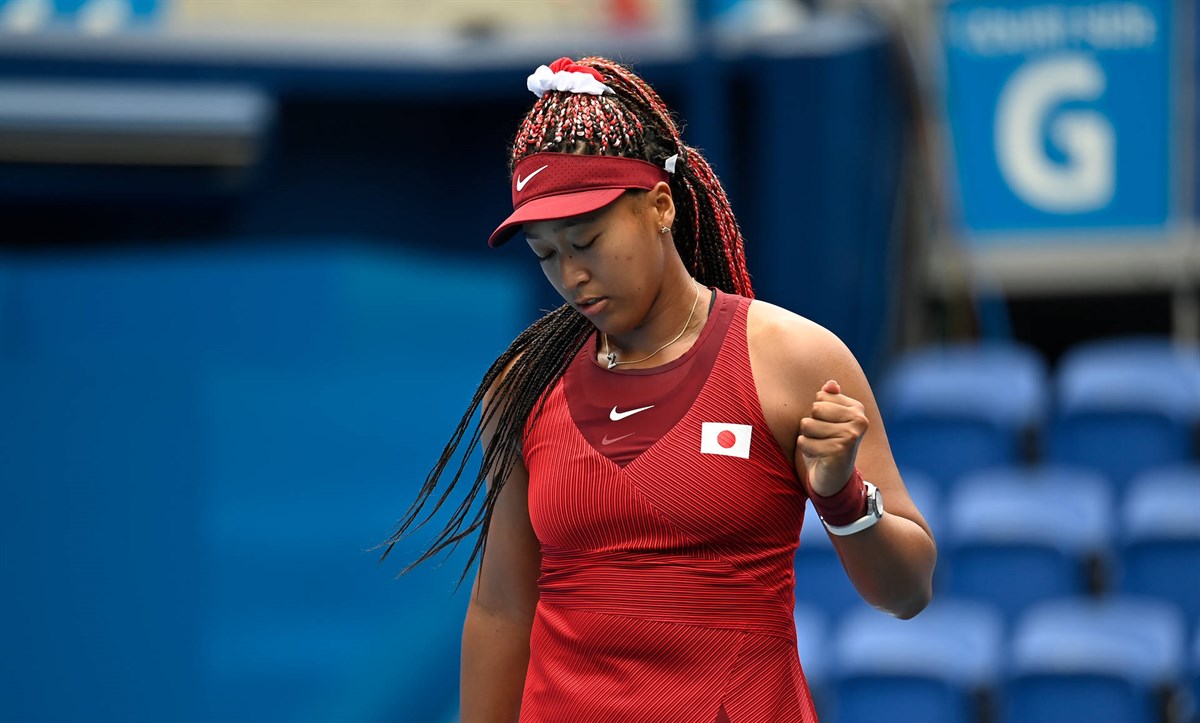
When four-time Grand Slam champion Naomi Osaka recently announced her hiatus from tennis, she said, “When I win, I don’t feel happy, I just feel relief.”
Devonish suggests that that such attitudes are becoming “the new normal.”
When I am approached to do mental training sessions with competitive juniors, I often learn from them that they don’t want the same thing that their parents want from tennis, but they don’t want to tell their parents.
Fear Strikes Out was a 1957 baseball movie based on the life of major league player Jimmy Piersall. It portrayed Karl Malden as the obsessed father of Anthony Perkins in the role of Piersall. The father’s behaviour, while extreme, is not unfamiliar today and it ultimately had a role in the onset of his son’s mental illness.
In a recent documentary on the 1986 New York Mets championship season, first baseman Keith Hernandez talked of the pressure he experienced. Despite being a five-time All Star, he would get calls during games from his father who would tell him he wasn’t playing well enough.
At a recent function for young hockey players, the guest speaker was a former Vancouver Canuck who began his talk by saying, “It is very unlikely any of your boys are making the NHL, so stop thinking that way.”
In a recent interview on Catholic Sports Radio, Winnipeg Jets defenceman Neal Pionk, a strong Catholic, cautioned parents about “putting too high of a priority on your child’s potential NHL career.”
As Devonish wrote, “We have created a system in which children are afraid to make a mistake.”
How can we as parents reclaim sports from those who want to turn it into exclusively high-performance factories from a young age? It all begins at home. As Catholic parents we have to discuss our reasons for registering our children in a sport. We should be communicating with our children as well as recognizing their needs.
We also need to make sure our children are happy in their environment and that they are learning good life skills. Ensure that the virtues of humility, fortitude, teamwork, leadership, and sportsmanship are demonstrated and emphasized by the coaches. If you are not satisfied that the coach shares your values, then speak up.
Success can be measured in many ways. It may be necessary to pull your child from a sport. Even if your child is successful, be sure to take things slowly and ask questions at every level they reach. Get involved in sports associations to help ensure they are moving in the right direction. And of course, pray about these decisions.
I especially want to remind Catholic fathers that your children who are playing sports look up to you for example, guidance, and protection. It is major responsibility of yours to know and support their needs. Don’t send them into a situation where “winning is the only thing.” Let sports be fun again for your children.







