


It has been a most difficult time for Canadians from coast to coast. Not a soul in this country is not in some way touched by the impact of the COVID-19 coronavirus. It is all we are talking about. As a society we are consumed with this fear of one another, of the implications to our futures, and deeply concerned and pained for our most vulnerable and elderly. These scenes have been in our field of vision for weeks and months now. The unemployment that has ensued, the food insecurity, the losses have touched us all and some so much more than others.
As Catholics and Christians, we have learned what it is to worship in solitude. Perhaps we spent a quiet Easter reflecting on the miracle of the Resurrection. For some, the sorrow of not being able to share the celebration with loved ones or as a community was a real and painful challenge. Others found much joy and gratitude in the possibility to connect and pray with community virtually, a blessing indeed, a lifeline of connection in a time of disconnection.
Then came the horrific tragedy, the senseless violence, descending on Nova Scotians the night of Saturday, April 18, through Sunday the 19th, terrifying the province and stunning our entire country. The sense of isolation and powerlessness driven by these events can become overwhelming. Many of us want to do something to ease the pain and suffering around us and help spring arrive as fast as possible, hoping upon hope that the rainbows designed by children in windows everywhere symbolize a truth to come sooner rather than later.
Now imagine this kind of collective trauma amplified in other ways. In Sri Lanka in 2019 we saw the senseless bombing of churches packed with people for Easter celebrations, taking many innocent lives and destroying the Church.
In Venezuela, we have seen a people devastated by their circumstances with nowhere to turn, inflation through the roof, and hungry.
Caravans flee many Latin American countries as people fear losing their lives because of drug cartels or starvation. In the Middle East, the Syrian people have been holding out over almost a decade of war, seeking refuge in makeshift camps for years at a time surrounded by hunger, poverty, violence, insecurity.
In Africa, the surge of fanatic Boko Haram and others, like in the Middle East, has had a devastating impact on peoples already affected by economic injustices of all kinds, famine, drought, flooding. Worship is controlled by terrorist groups and governments in several countries; there is no freedom to practise one’s faith. (Learn more in our Religious Freedom Report.)
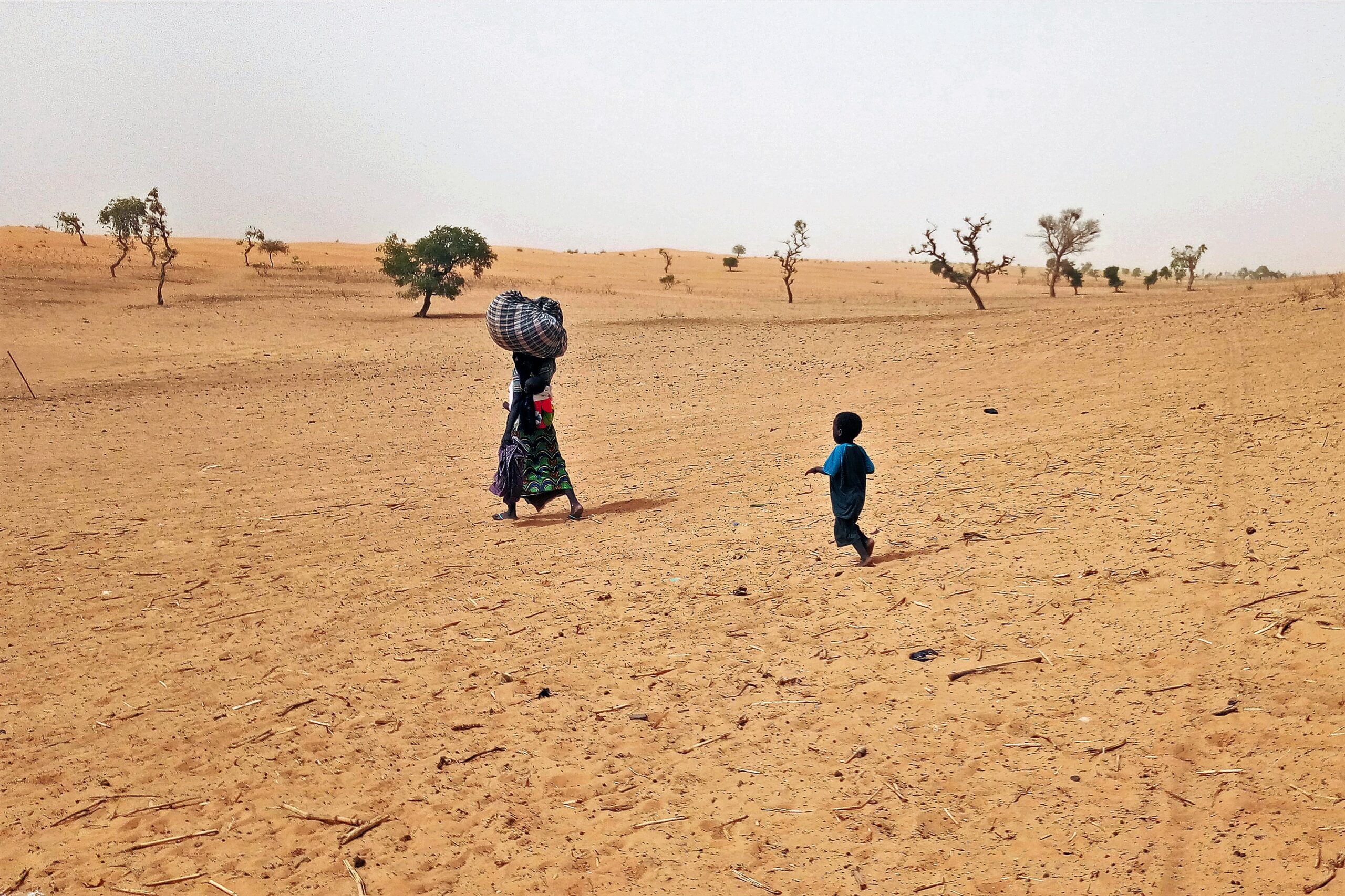
People on all continents risk their lives to get away from trauma, violence, and abject poverty. This fear, insecurity, lack of freedom, and sense of persecution is suffered by many of our brothers and sisters in the faith terribly, daily. Many are born into trauma and also die in it.
One thing we know for sure and have been told firsthand is that, when most have hit their limit after natural or human disaster and have packed up and left, the Church remains in the compassion and pastoral care given by members of the clergy and religious acting in all aspects of society.
For this reason our organization, Aid to the Church in Need provides support for projects around the globe, providing Mass offerings for priests, subsistence aid for sisters working on the frontlines in hospitals where patients are suffering the effects of COVID-19, and assisting Catholic media with an emphasis on radio in particular. For instance, Radio Ditunga in the Democratic Republic of Congo airs classes for children in an area where five million people are reached.
Contemplatives all over the world pray for the hearts and minds of humanity with deep love and devotion every day. No matter what force is moving on the planet, God’s love is made incarnate through them and many more still. This is hope, and in many of these countries subjected to so much it is they who are praying and worrying for us! This is true compassion. Someone has to support these people and institutions that are the pillars of many communities, through the work of the Catholic Church.
Someone has to step up and support their basic needs, so they can do the most essential work – God’s work – shining the light and hope of Christ in the darkest spaces and hours.
Aid to the Church in Need has secured $7.5 million in emergency funding to help ease the suffering brought by COVID-19 around the world. You can help too: acn-canada.org.
Marie-Claude Lalonde is National Director of Aid to the Church in Need Canada.







