


In James 5:7-12, the saint exhorted his readers to be patient in suffering. He gave the example of a farmer who patiently waiting for the early and late rains. In Palestine, rain comes in October and November, which provides for the spring harvest, and then again in April and May, which provides for the summer harvest. A biblical commentator wrote, “The farmer needs patience to wait until nature does her work; and the Christian needs patience to wait until Christ comes.”
St. Augustine said, “James means: ‘Bear your temporal misfortunes as Job did, but do not hope for temporal goods as a reward for your patience, such as were returned to him double. Rather hope for the eternal goods which the Lord went before us to secure.’”
James wrote, “the Lord is compassionate and merciful.” Compassion means “to suffer with.” To have compassion for someone is to come alongside him or her and bear the burden of their pain along with them. Mercy presumes sin. God, in his mercy, forgives our sin.
According to Scott Hahn and Mark Shea, “James notes that God is both compassionate and merciful. That is, he both bears our pain (and hurtful things we sometimes unwittingly do because of that pain), and he has mercy on the sinful things we do of our own free will. God’s healing extends to the whole of our life.”
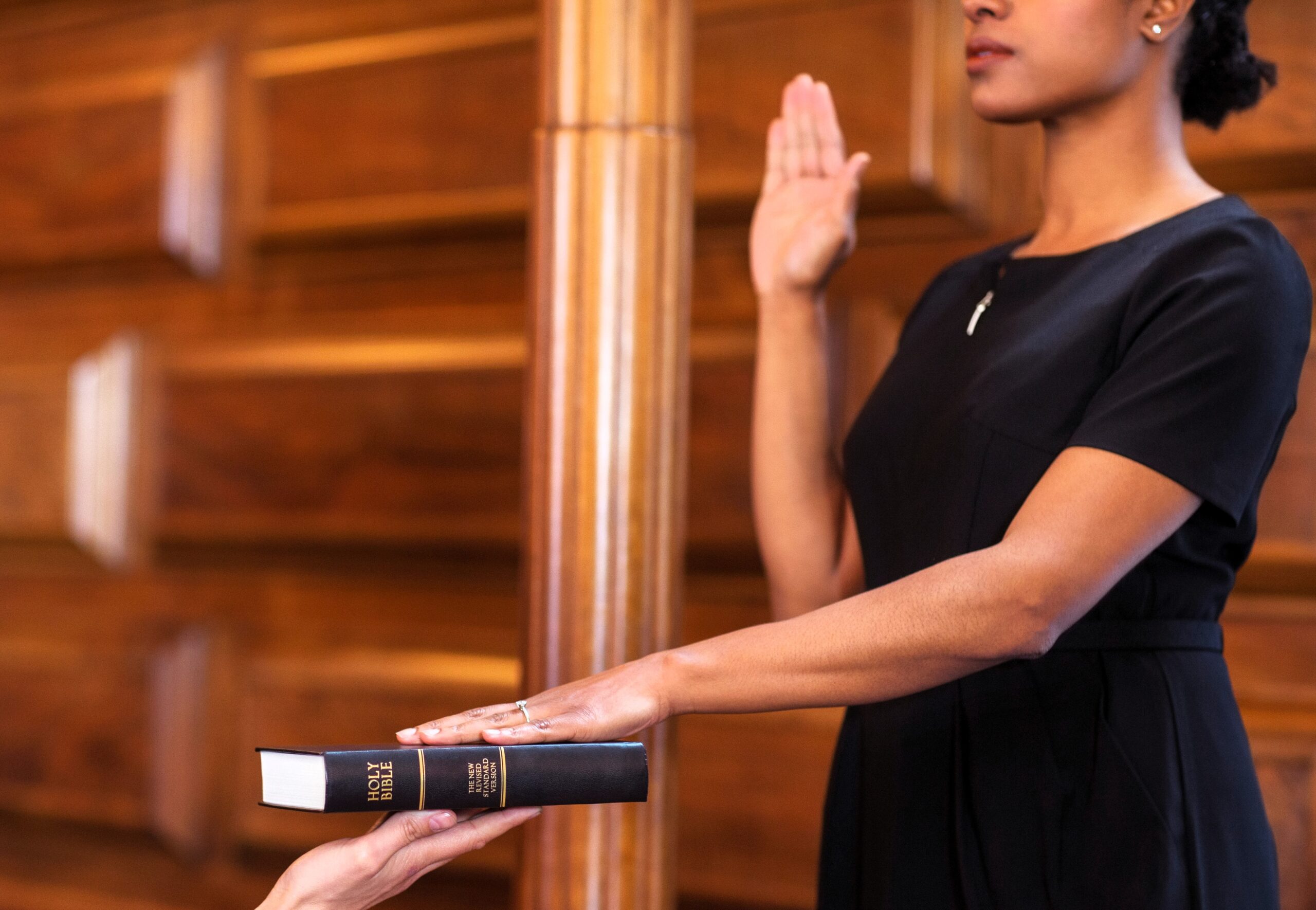
In Chapter 5, Verse 2, St. James reminds us not to take oath. In his time, people made a distinction between oaths. If the name of God was used in an oath then it was definitely binding, and if the name of God was not used then it was considered less binding. However, Jesus pointed out that everything is in one way or another connected to God.
“But I say to you, do not take an oath at all, either by heaven, for it is the throne of God, or by the earth, for it is his footstool, or by Jerusalem, for it is the city of the great King. And do not take an oath by your head, for you cannot make one hair white or black. Let what you say be simply ‘Yes’ or ‘No’; anything more than this comes from evil.” (Mt 5:34-37)
Echoing the words of Christ, St. James wrote, “But above all, my brothers, do not swear, either by heaven or by earth or by any other oath, but let your “yes” be yes and your “no” be no, so that you may not fall under condemnation.” (James 5:12)
In both biblical passages, Jesus and James warn against rash and private oaths. According to authors Scott Hahn and Mark Shea, “The true purpose of oaths is to solemnly invoke the aid of God when a person is called upon to perform some sacred task for the common good, which they are not, in fact, capable of doing in their own strength.
One of the key meanings of such public, official, and juridical oaths in the Old Testament, they write, “was to openly declare a real dependence on God’s help. And the same applies today even in secular culture. This is why witnesses, soldiers, judges, politicians, and priests come under oath: they are performing a vital and indispensable sacred public task that they are not, in fact, capable of doing without God’s help. Society says, in effect, ‘we can’t trust you, but we have to. So we’re putting you under oath.’”
Father John Hardon said, “The conditions that make an oath lawful are truthfulness, justice, honesty, and a reasonably grave reason.”
Jesus abolishes not oath swearing but the misuse of oaths. In his letters St. Paul used oaths (2 Cor 1:23; Gal 1:20).
Hence the Catechism of the Catholic Church (2154) states: “Following St. Paul, the tradition of the Church has understood Jesus’ words as not excluding oaths made for grave and right reasons (for example, in court). ‘An oath, that is the invocation of the divine name as a witness to truth, cannot be taken unless in truth, in judgment, and in justice.’”
St. Ignatius of Loyola said, “Do not swear whether by the Creator, or any creature, except truthfully, of necessity, and with reverence.”
Click here to send us a letter to the editor.
讓你的”是”就是”是”
在雅各伯書5:7-12中,聖人勸勉他的讀者在苦難中要忍耐。他舉了一個農民的例子,他耐心地等待著早雨和晚雨。在巴勒斯坦,10月和11月降雨,為春季收穫提供條件,然後在4月和5月再次降雨,為夏季收穫提供條件。一位聖經註釋者寫道:『農民需要耐心等待大自然的工作;基督徒需要耐心等待基督的到來。』
聖奧斯定說:『雅各伯的意思是:「像約伯那樣承受你暫時的不幸,但不要指望暫時的財物作為你耐心的回報,比如雙倍回報給他。而是盼望主先我們而去為我們確保的永恆的財產。」』
聖雅各伯寫道:『上主是滿懷憐憫和慈愛的。』(雅各伯5:11)『憐憫』的意思是『一同受苦』。憐憫某人就是和他或她一起走,和他們一起承受痛苦的負擔。『慈愛』假定有罪。天主在祂的慈愛中寬恕我們的罪。
根據Scott Hahn 和Mark Shea的說法:『聖雅各伯指出,天主是憐憫和慈愛的。也就是說,祂既承受了我們的痛苦(以及我們有時因為這種痛苦而不知不覺所做的傷害性事情),並且他憐悯我們出於自己的自由意志所做的罪惡的事情。天主的醫治延伸到我們的整個生命。』
在5:12中,聖雅各伯提醒他的讀者不要起誓。在他的時代,人們區分了誓言。如果在誓言中使用天主的名字,那麼它肯定具有約束力,如果不使用天主的名字,那麼它被認為約束力較小。然而,耶穌指出,一切都以某種方式與天主相連。祂說:『我卻對你們說:你們總不可發誓:不可指天,因為天是天主的寶座;不可指地,因為地是他的腳凳,不可指耶路撒冷,因為它是大王的城市;也不可指你的頭發誓,因為你不能使一根頭髮變白或變黑。你們的話當是:是就說是,非就說非;其他多餘的便是出於邪惡。』(瑪竇5:34-37) 回應著基督的話,聖雅各伯寫道:『可是我的弟兄們,最要緊的是不可起誓:不可指天起誓,不可指地起誓,不論什麼誓都不可起;你們說話,是就說是,非就說非,免得你們招致審判 。』(雅各伯5:12)
在聖經的兩段經文中,耶穌和雅各伯都警告不要輕率和私自起誓。根據Scott Hahn 和Mark Shea的說法:『誓言的真正目的是當一個人被要求為公共利益執行一些神聖的任務時,莊嚴地祈求天主的幫助,因為事實上,他們無法靠自己的力量完成這些任務。舊約中這種公開、官方和司法誓言的核心含義之一是公開宣佈真正依賴天主的幫助。即使在今天,在世俗文化中也是如此。這就是為什麼見證人、士兵、法官、政治家和司鐸都要宣誓:他們正在執行一項重要且不可或缺的神聖公共任務,事實上,沒有天主的幫助,他們是無法做到的。社會實際上說,「我們不能信任你,但我們必須信任你。所以我們要你宣誓。」』
John Hardon神父說:『使宣誓合法的條件是真實、公正、誠實和合理和一個嚴重的理由』耶穌廢除的不是誓言,而是濫用誓言。在他的書信中聖保祿也使用了誓言(格後1:23;加拉達1:20)。因此,天主教教理(2154)指出:『隨著聖保祿,教會的傳統,認為為了重大而正當的理由發誓(例如在法庭前),並不與 耶穌的教導相反。宣誓,即呼天主之名而為真理作証,但「除依照真理、明辨及正義外,不得宣誓」。』聖依納爵、羅燿拉說:『不要以造物主或任何受造物發誓,除非是真實的、必要的和懷著崇敬的。』







