


Laura Berquist, the founder of our homeschool curriculum, once came to B.C. to participate in a homeschooling convention. Someone asked a question about the value of music lessons for her children. Laura talked about how important music lessons are, the way they develop the brain, instill a love and appreciation for true, beautiful music, and enhance a person’s human experience overall. But she finished answering the question by saying that as important as music lessons may be, they aren’t always possible for every family, and that listening to good music (what we usually call “classical,” and sacred music) is more important than playing it.
This year, for example, Thomas is reminded every week to listen to a variety of Baroque music. So, I will find a playlist and put it on in the background while we do his other lessons, and he hums along, especially during the quiet subjects, like drawing. Isaac’s syllabus suggests listening to different examples of Palestrina for the next few weeks.
I personally, an uncultured product of my times, have really valued the opportunity to be listening to the beautiful music of the ages that I wasn’t exposed to before. The culture, the meaning, and the sacred texts that inspired so many composers to create these pieces are something so deeply human, something that has always seemed to me to be a proof of man’s distinct privilege: being made in God’s image and likeness, made in the sixth day with the beasts, but made for the seventh day – to rest in God’s presence.
Earlier in the year, we heard about a sacred music choir for youth, Vox Iuventutis, which was starting at St. James in Abbotsford. I signed a few of the kids up, and I can only say that it has been a delight listening to their voices ring out in the sanctuary.
I’ve often thought that we don’t give kids enough credit. We sit them in front of a cartoon, and they come away singing a little commercial ditty, and we think this is natural. But I feel that those silly commercial songs can be anti-natural (I do not mean what might be called folk music, but commercial, pop music). I’ve found that children have hearts that seek true, good, beautiful, and complex things. Their hearts want to absorb and reflect those things. So, while I am not surprised to hear them singing such breathtaking scores, imperfectly as they may do it, I am still left a little breathless in my gratitude for their opportunity to do so.
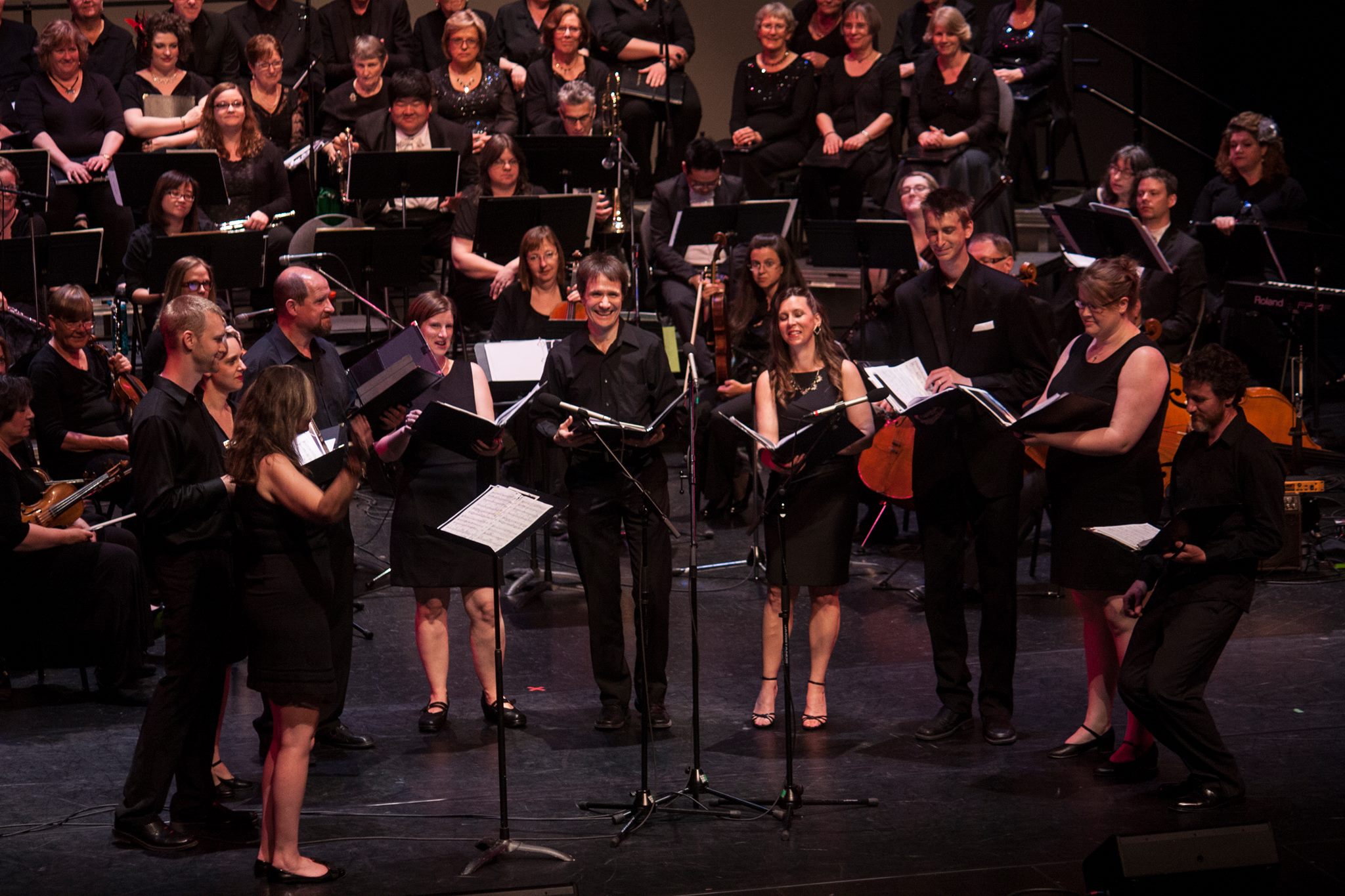
Paula DeWit is the music director and conductor of the Chilliwack Symphony Orchestra and leader of the a cappella ensemble Belle Voci. They sing for the Latin Mass at Holy Rosary Cathedral every week. She and her son, Bevin van Liempt, a choral music teacher and fellow member of Belle Voci, lead the children’s choir. The children love them both and have been given such an amazing opportunity to learn from them. These past few weeks, the children have been focusing on Mozart’s Lacrimosa. Lacrimosa (Latin for “weeping”) is a part of Mozart’s Requiem and is sung in honour of the sorrows of Our Lady. The children have been invited to join Belle Voci in singing the piece this Oct. 29 at St. James, as the adults perform Mozart’s passionate Requiem in its entirety.
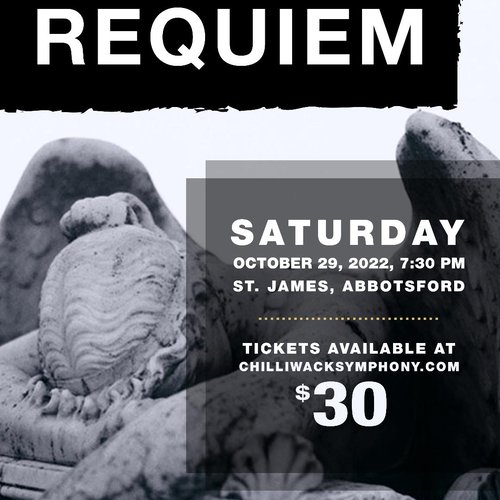
Mozart’s Requiem was the last piece he wrote before dying. It “grapples with the mystery of death.” It was chosen to acknowledge the upcoming feasts of All Saints’ and All Souls’. We are invited to meditate on this mystery of death, to pray for the souls of the departed, to remember the sufferings of our Lord and the victory over it that he promises us.
Paula and Bevin feel a call to share the sacred music of the Church with adults and children, Catholics and non-Catholics. They want to share this gift, so I’m writing to tell you that beauty is calling and waiting for you to pick up.
Please consider joining our family as we meditate, in preparation for All Souls’, on the mystery of death, through the Catholic gift of heart-moving music.
Tickets (adult, student, and family options) can be purchased at chilliwacksymphony.com.







