

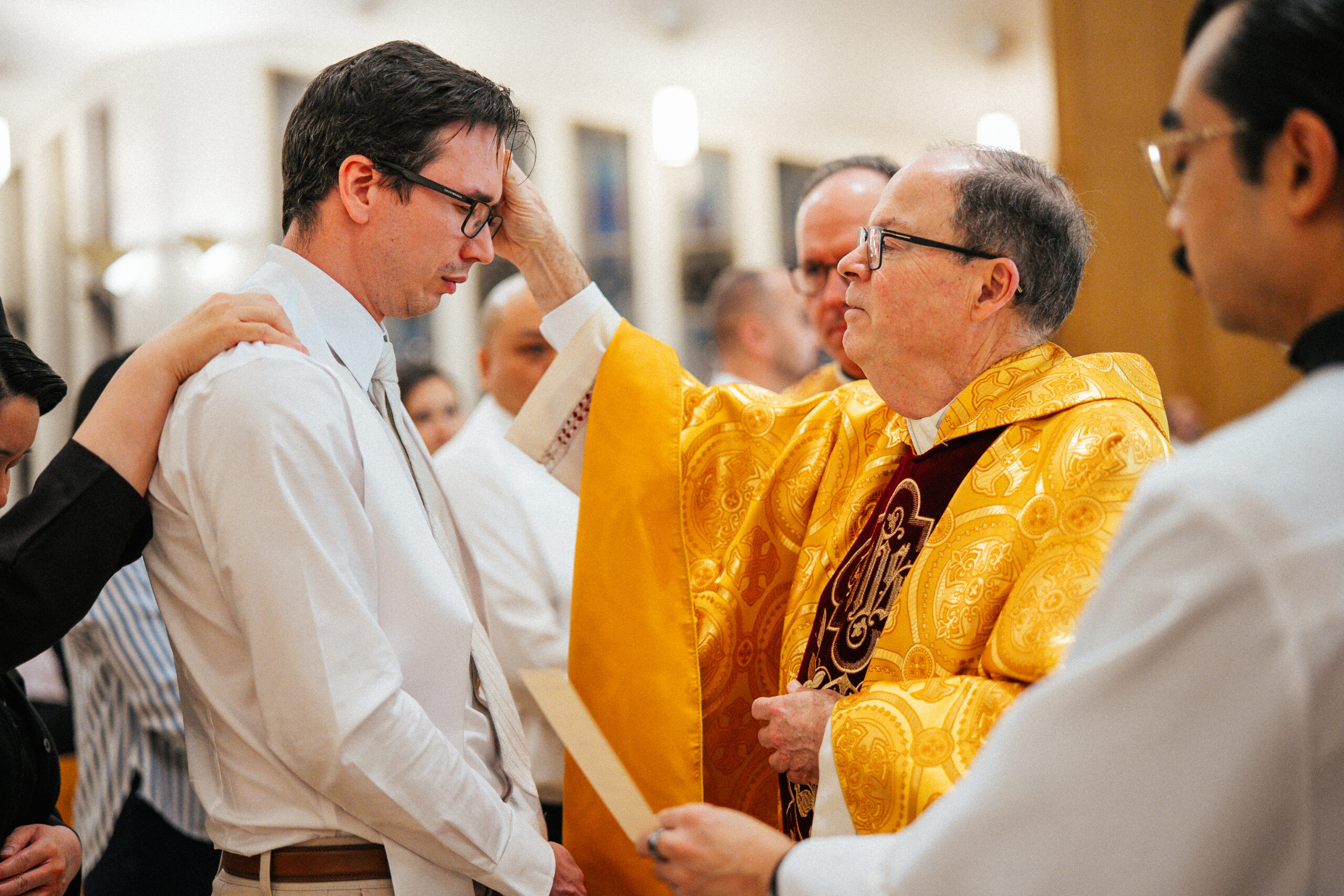

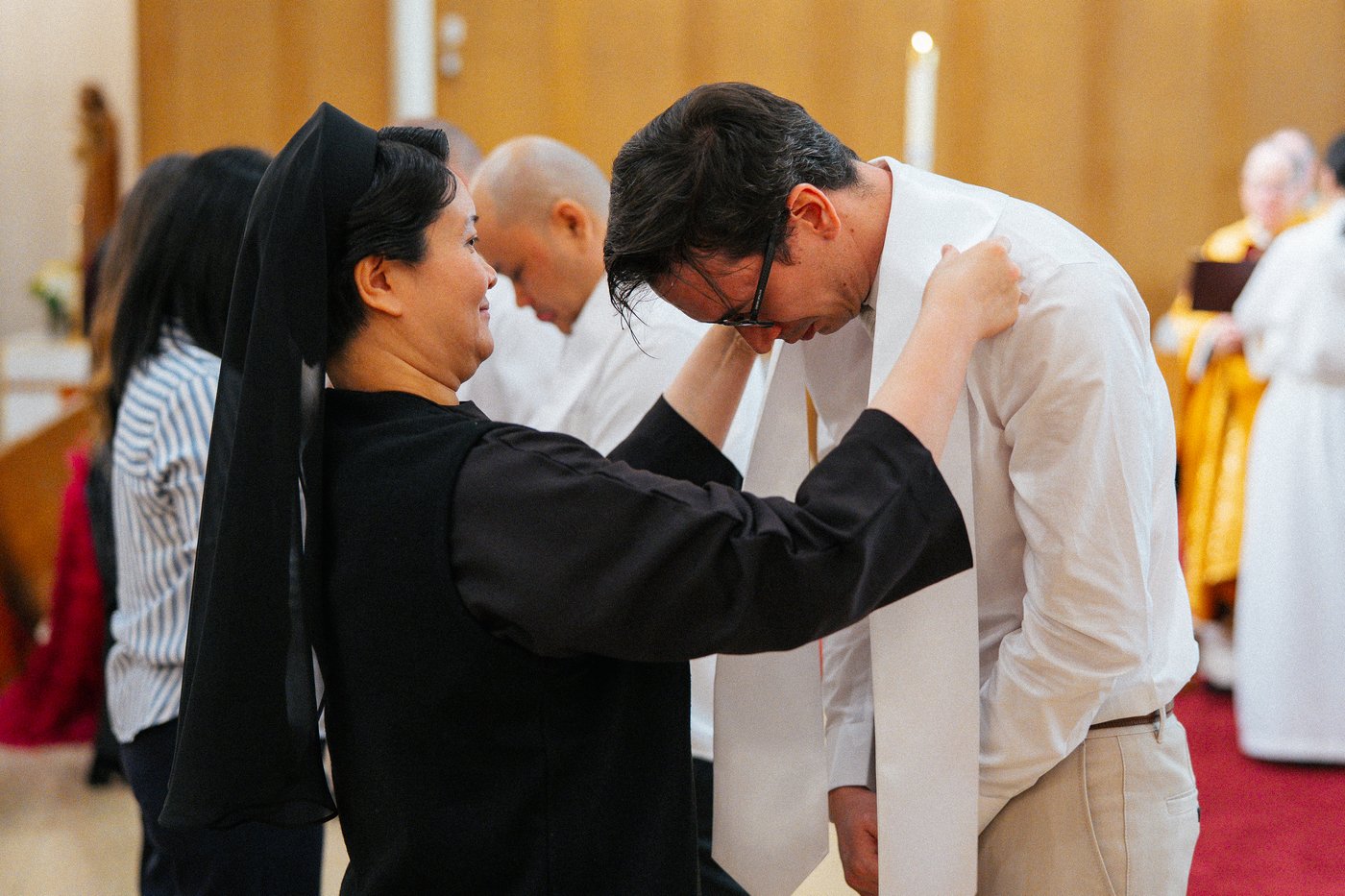
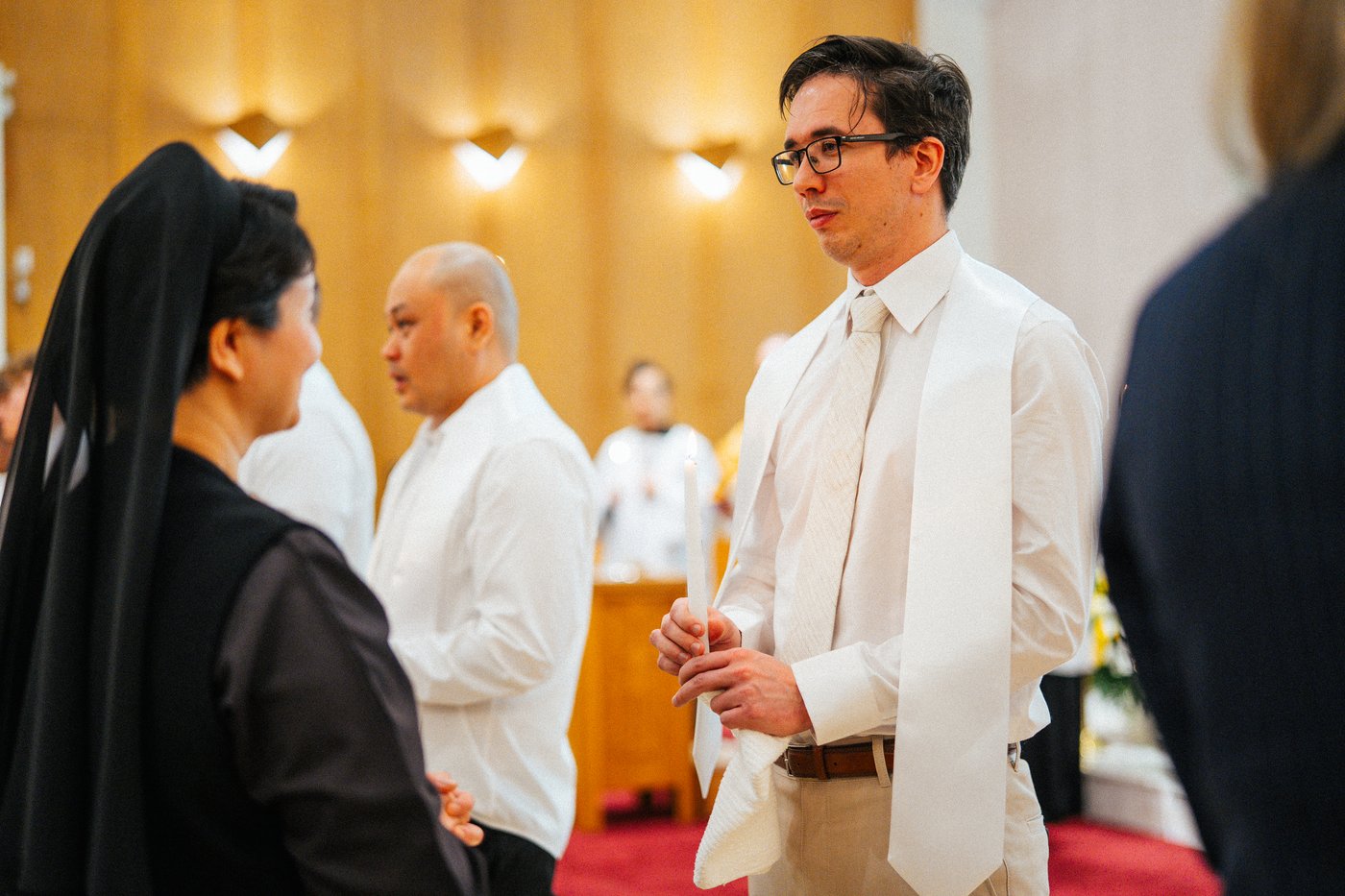
At this year’s Easter Vigil, I took the decisive step to fully embrace Christ as my Lord and Saviour and thus to join the community of baptized Christians. This is a new beginning of God’s creative work in me – the grace of being called a ‘son of God’. It is also, for me, a kind of restoration of what it means to be truly human.
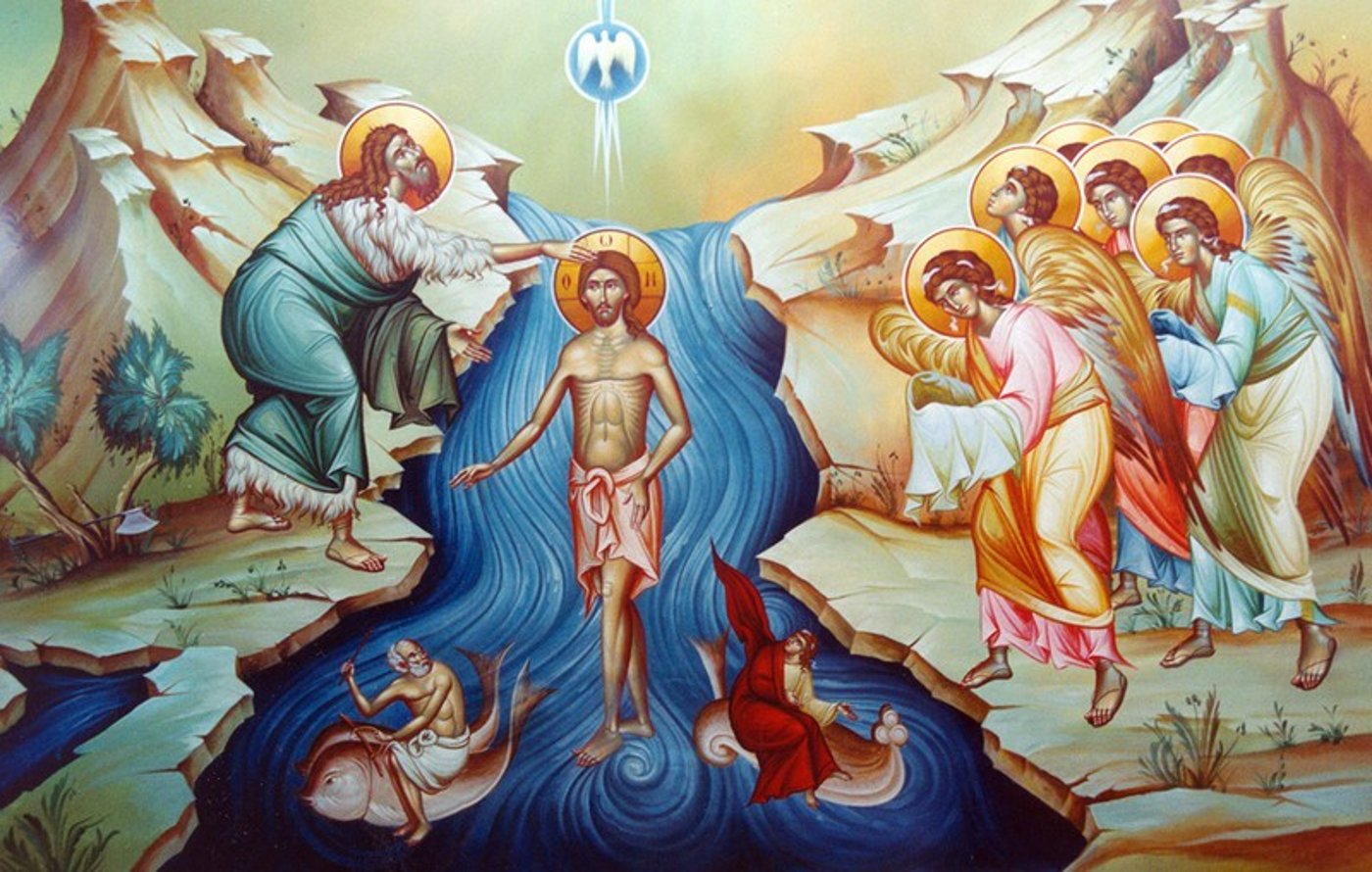
When I was first trying to wrap my head around the Sacrament of Baptism, an icon of the Theophany of Jesus impressed me. Jesus is shown in the Jordan during his baptism, with water up to his neck, while the holy spirit descends upon him in the form of a dove. Below the waves, the river gods of the old world represent the chaos that is being overcome. It’s a powerful symbol of how, from the depths of chaos, in the messiness of humanity, where things are shapeless and meaningless, Jesus restores us and humanity to what we should be.
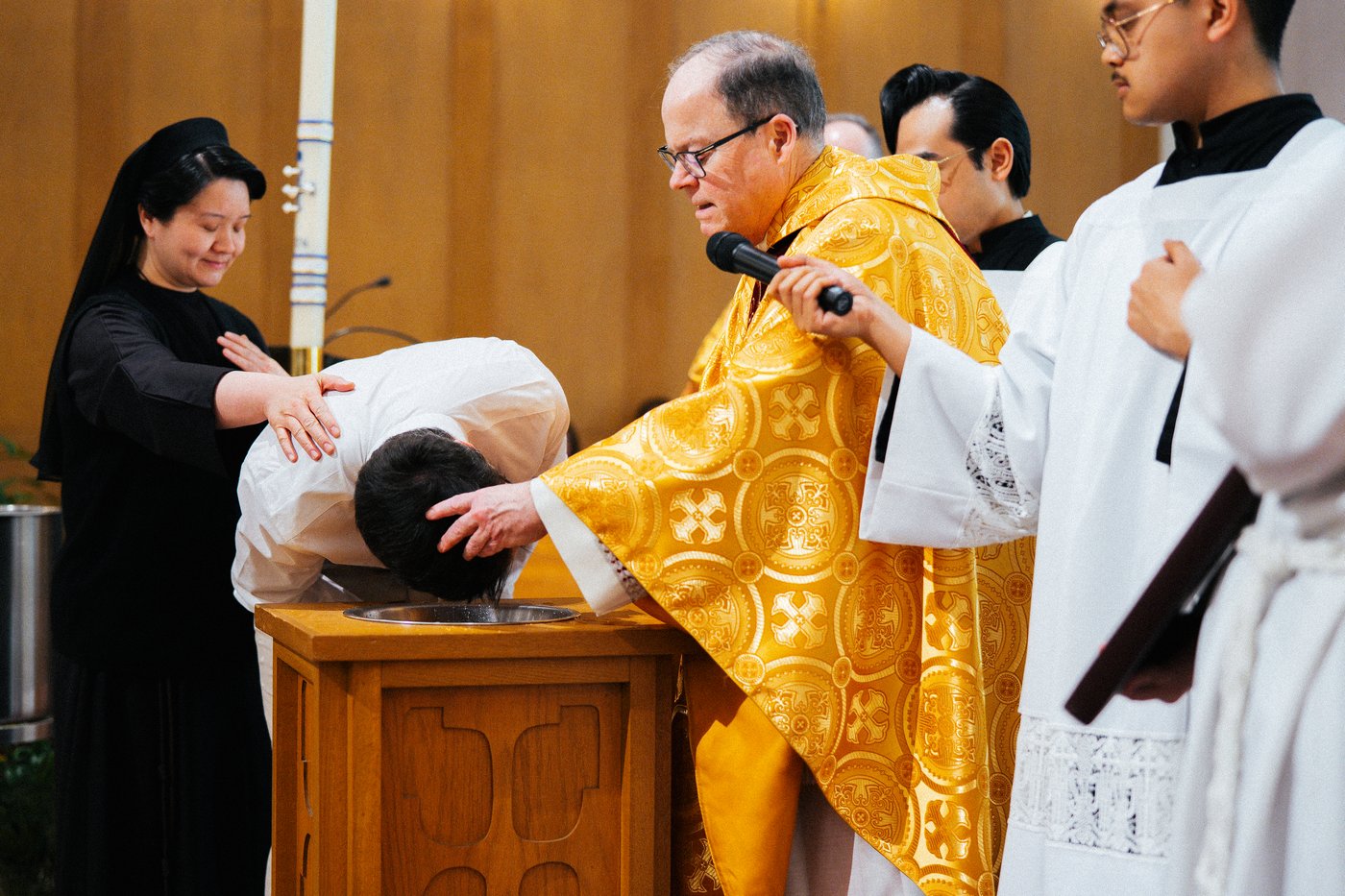
As I inclined my head to receive the sacrament of baptism, I thought of how, through this mess, I have come to recognize the chaos existing in me and elsewhere and how God’s grace bestows upon me an openness and courage to reach new levels of love and solidarity with brothers and sisters around the world.
It is not easy to explain how this mystery has been revealed to me. It is not a straight path from darkness to light, but rather more of a back-and-forth. Having grown up in a Christian family, closeness to Christ and his works were never entirely unfamiliar to me, but at many times throughout my life, either by rebellion or because of frustration, I’ve kept him at arm’s length. Yet, there has been a mysterious process all along where, gradually, old griefs and resentments transformed into quiet happiness.
As part of my testimony, I would like to share a fundamental insight into the mystery of God that came about through my baptismal journey. From early on in my life, I straddled social, political, religious, and ethnic divides. I was born and raised in Brazil, a country mired in poverty and inequality, and have lived in England and the United States, where increased opportunity, different cultural habits, and abundant material goods contrasted with my country of origin. Questions regarding development, justice and equality made early impressions on me, and they planted the seeds that would later develop into a set of enquiries into faith, identity, and belonging.
I went on to work in international solidarity and social justice, focusing mostly on land defence, democracy promotion, human rights, and homelessness in Guatemala, Ghana, and Canada. As I probed through social landscapes and advocated for solidarity, a very simple truth spoke to me: we are all interconnected. Everything is like the ocean; all things flow and are, even without us, yet indirectly linked together. Our actions here, as innocent and neutral as they may first appear, may sow seeds of evil elsewhere. We are caught in an endless web of action begetting reactions, thus repeating cycles of violence and oppression. This web or structure of oppression is often nameless and faceless. We struggle to put our finger on it, to give it a name and conceptual clarity. Thus, in solidarity work, one must constantly be interrogating oneself and others, asking difficult questions like: to what extent are we complicit in these injustices? To what extent do we reinforce them with our daily habits, and to what extent do we engage in them for our own survival?
Through this line of enquiry, I found the Christian response to be the most persuasive. However mysterious, unknown, and distant our connection may be with everyone and with everything, I came to understand that we are all guilty toward others and thus we should all be answerable for everyone else and for everything.
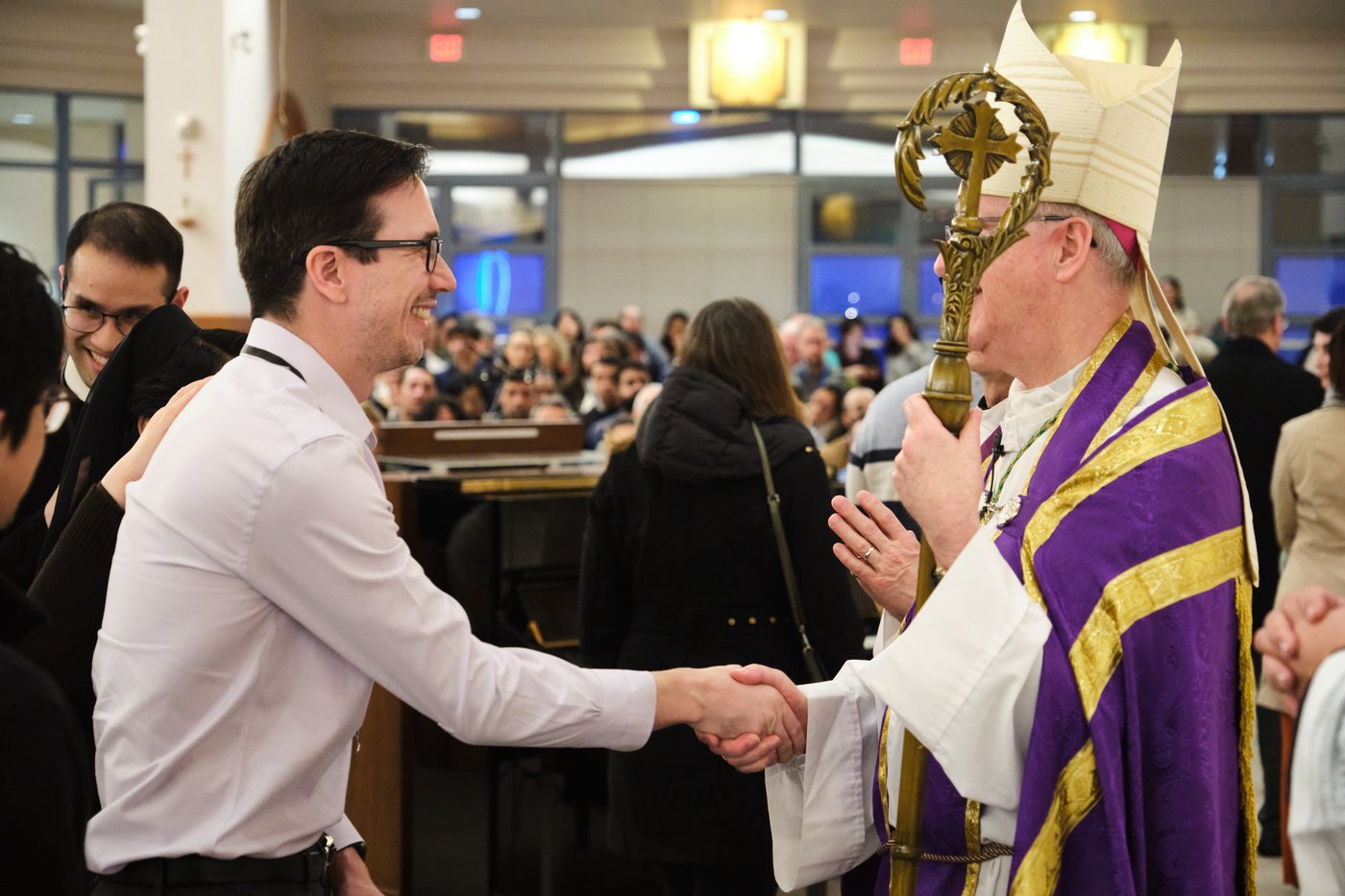
It is also a simple truth, regardless of the divisions we sow, that we all have human moral dignity, which is what binds us to one universal human family and where true equality lies. At the heart of our injustices is our failure to truly recognize the human dignity of everyone, and this is the centrepiece of Christian solidarity and social justice.
Our lack of awareness for how we produce and reproduce harm around the world is part of our failure to cultivate within ourselves a considerate and active love for others. We are often blind and numb to the suffering of those most in need.
As we recognize our failure to love God’s creation, we can start to perceive His mystery inherent in all things. There are many emotions and twists in human nature that we are all unable to understand, yet we should never shy away from humble love, which must recognize, first and foremost, that we are bound to everyone and everything.
As I come to grasp the structures of oppression and the levels of harm we all inflict on one another, I am often unsettled by our failures to love everyone and everything. It can make me feel alone and helpless, tempting me to succumb to idleness, impotence, and resentment. It is Christ who rescues me from these obstacles. Through prayer and spiritual discipline, he teaches me to take a firm hold of myself, and for me to be answerable to everyone and everything. Instead of ending up bloated with pride and murmuring against God, Christ teaches me the way of radical, sacrificial and humble love.
I believe the heart of Christ’s message is about going beyond ourselves. It’s about the empathy and the imagination to see, like the Good Samaritan, a neighbour from another community and look after them. Thus, it’s about driving us to think about the marginalized, the voiceless, the oppressed, and the poorest of the poor above all.
Christ teaches us to restore broken relationships, build connections across difference, and bridge divides.
There are, at least, three transformational habits that Christ teaches me in solidarity work. First, through the cultivation of humble love, we learn to be curious and listen to others as we encounter differences. Second, by recognizing the human moral dignity in everyone, we allow authenticity to seep through and establish a true mutual dialogue. Third, he provides us with a moral imagination that can break out of the repeating cycles of violence and oppression. This is why the message of mercy and forgiveness must never be stifled if we are to seek the Kingdom of God and His justice.
To end, I must circle back to the baptismal image from the opening paragraph. In Dilexi Te, Pope Leo writes that “the poor … are the very ‘flesh’ of Christ” (110); that is, to enter truly into His great mystery, we must recognize radical poverty as the face of Christ and be in solidarity with all those considered outcasts from society. Through the messiness of humanity, we can encounter God’s grace and find Christ.
My organization, Development & Peace – Caritas Canada, the official international development organization of the Catholic Church in Canada, seeks to be an outlet for this encounter with Christ here in Canada.
By raising awareness of social questions around the world and by promoting the social doctrines of the Church, we seek to cultivate Christian love and live the gospel of Christ. I invite you, therefore, to join us in this endeavour, as together we can live the grace of God with brothers and sisters around the world.
Raphael Freston is the regional coordinator for Development and Peace – Caritas Canada in British Columbia and the Yukon.
Your voice matters! Join the conversation by submitting a Letter to the Editor here.







