


The conviction that God not only sent his Son into the world but
also vindicated him after his death upon a cross, is fundamental to the New
Testament witness and is the cornerstone of Christian faith and theology.
This certainty that God had reversed human judgment and established freedom from death in an event which inaugurated “the age to come,” found expression in the Old Testament language of exaltation: “See, my servant shall prosper, he shall be raised high and greatly exalted” (Is 52:13). We also see this in his Ascension, and the proclamation in the Creed that Christ “ascended into heaven” is based mainly on the Acts of the Apostles (1:1-19).
This last term – his Ascension – linked what happened to Jesus and what was expected to happen to Christians, as St. Paul claims: “Christ is now raised from the dead, the first fruits of those who have fallen asleep” (1 Cor 15:20).
The Gospels report the discovery of Christ’s empty tomb by Mary Magdalene, first to her alone and then with other women (Jn 20:1-9); but the Gospels disagree over other details – whether it was one or two angels or young men who told of Christ’s Resurrection.
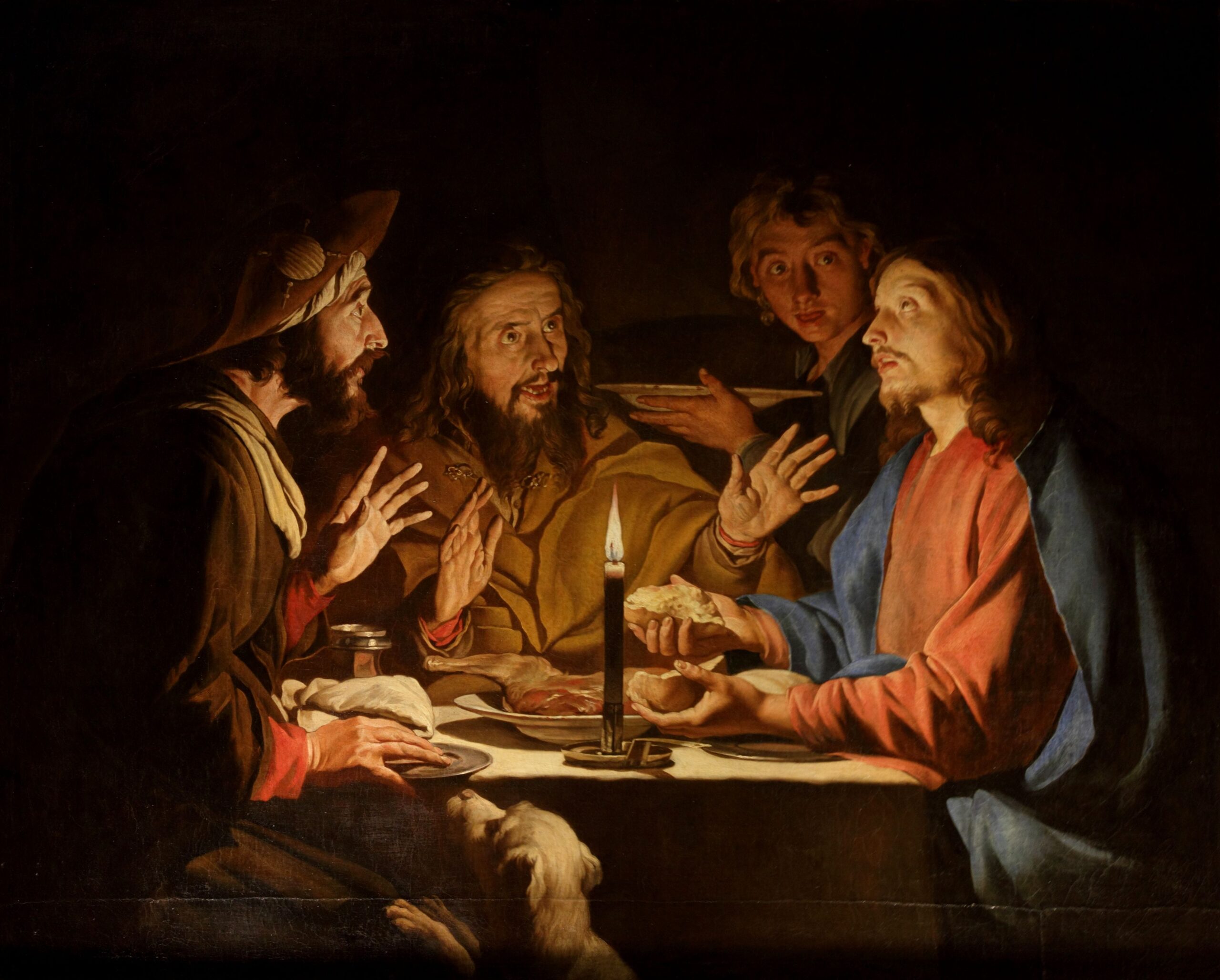
Then we have the episode of the disciples going to Emmaus and their encounter with an unknown man who interrupted their conversation. “‘What are you discussing as you go your way?’ They halted in distress, and one of them asked him: ‘Are you the only resident of Jerusalem who does not know the things that went on there these past few days?’ The stranger replied: ‘What things?’ and they recounted what had happened to Jesus of Nazareth.
“He was a great and powerful prophet in word and deed in the eyes of God and all the people. How our chief priests and leaders delivered him up to be condemned to death and crucified him. We were hoping that he was the one who would set Israel free. Besides all this, today, the third day since all these things happened, some women of our group have just brought us some astonishing news. They were at the tomb before dawn and failed to find his body, but returned with the tale that they had seen a vision of angels who declared he was alive …
“Then he said to them: ‘What little sense you have! How slow you are to believe all that the prophets have announced. Did not the Messiah have to undergo all this so as to enter into his glory?’ and he interpreted every passage of Scripture which referred to him ….
“At this time, the three of them arrived at the village of Emmaus and he acted as if he were going farther. But they pressed him ‘Stay with us. It is nearly evening – the day is practically over’. And he went to stay with them.”
My dear Reader, I am so emotional with the description of what happened after Jesus’ Resurrection, that I prefer to quote verbatim what Jesus did in the time between his Resurrection and his Ascension. Therefore, let me continue to cite the Gospel of St. Luke, Chapter 24. It is so profound and has plenty of good lessons we can learn.
“When he had seated himself with them to eat, he took bread, pronounced the blessing, then broke the bread and began to distribute it to them. With that their eyes were opened and they recognized him; whereupon he vanished from their sight.
“They said to one another, ‘Were not our hearts burning inside us as he talked to us on the road and explained the Scriptures to us?’ They got up immediately and returned to Jerusalem where they found the eleven and the rest of the company assembled. They were greeted with “The Lord has been raised!” And they recounted what had happened on the road and how they had come to know him in the breaking of bread.”
What inspiring events to meditate on this paschal time! Attempts to harmonize these historic narratives have failed to persuade critics, but the testimony of the biblical witnesses to the divine event itself is unanimous. There is also broad agreement among the Gospels about how, after some initial doubts, the disciples became convinced of what had happened.
While evidence of the empty tomb apart from the Christian tradition is not to be expected, there is equally no record of Christ’s body being produced, and the story about the bribing of the guards (Mt 28:11-15) might suggest that no such claim was ever made.
Nothing could be more adequate in this paschal time than to reflect how the mystery of the Resurrection of Christ is what supports our own resurrection. Our liturgy helps us to consider new ways to act, to work, to pray, to love. All these meditations should involve a radiant and glorious joy that it is not we who live, but Christ who lives in us. Happy Easter!







