


St. Irenaeus was born perhaps between 135 and 140, and possibly in Smyrna (modern Izmir, Turkey). He was a disciple of St. Polycarp, who in turn was a disciple of St. John the Apostle. Irenaeus moved from Asian Minor to Gaul (modern France) and was ordained a priest in Lyon.
In 177, as the representative of the Church of Lyon, Irenaeus visited Pope Eleutherius in Rome. While he was in Rome, persecution broke out in Lyon. At least 48 people were martyred, including the 90-year old Bishop Pothinus.
Upon Irenaeus’ return (about 178) to Lyon, he was chosen Bishop of Lyon. As bishop, Irenaeus devoted himself whole-heartedly to pastoral ministry and sent missionaries to different parts of Gaul. The tradition in the Church is that Irenaeus died a martyr on June 28, about 202 or 203.
During the General Audience on March 28, 2007, Pope Benedict XVI said: “Irenaeus was first and foremost a man of faith and a pastor. Like a good pastor, he had a good sense of proportion, a wealth of doctrine, and missionary enthusiasm. As a writer, he pursued a twofold aim: to defend true doctrine from the attacks of heretics, and to explain the truth of the faith clearly.”
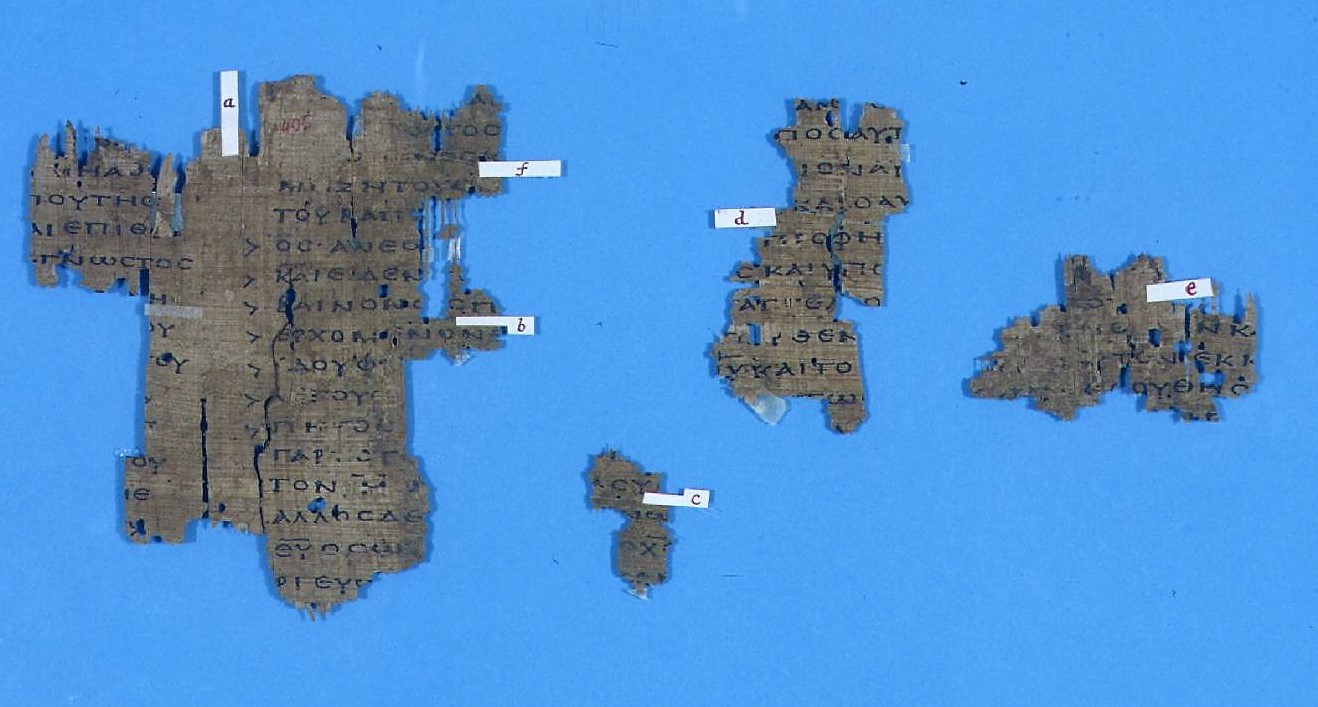
The two famous works of Irenaeus are: Against Heresies and Demonstration of the Apostolic Tradition.
Against Heresies was specifically directed against the Gnostics. Pope Benedict XVI explained that the so-called Gnosis is “a doctrine which affirmed that the faith taught in the Church was merely a symbolism for the simple who were unable to grasp difficult concepts; instead, the initiates, the intellectuals – Gnostics, they were called – claimed to understand what was behind these symbols and thus formed an elitist and intellectualist Christianity … One element these different currents had in common was ‘dualism’: they denied faith in the one God and Father of all, Creator and Saviour of man and of the world. To explain evil in the world, they affirmed the existence, besides the Good God, of a negative principle. This negative principle was supposed to have produced material things, matter.”
Against Heresies consists of five books. Book 1 is an exposé of the heresies. In Book 2 there is a refutation of the heresies by arguments drawn from reason. Book 3 contains refutation based on the words of the apostles. Book 4 contains refutation based on the words of Christ. Book 5 is about the salvation of the body, a doctrine rejected by the Gnostics.
Irenaeus provides the earliest extant mention of a four-Gospel canon of Matthew, Mark, Luke, and John. He defended the Christian use of the Old Testament and argued for its unity with the New Testament. He also emphasized God’s providential direction of history.
According to the journal Letter and Spirit, Irenaeus’ theology is not an alien system of thought imposed on the Bible but rather the making plain of the inner logic of the Bible itself. “For Irenaeus, the Bible is indeed the ‘soul’ of theology, and theology is the proper interpretive lens of the Bible, the two existing in a kind of mutual intercommunion.”
Demonstration of the Apostolic Tradition was an apologetical treatise defending the fundamental teachings of the Catholic Church as being identical with those of the apostles.
Toward the end of the book, Irenaeus wrote, “This, beloved, is the preaching of the truth, and this is the character of our salvation, and this is the way of life, which the prophets announced and Christ confirmed and the apostles handed over and the Church, in the whole world, hands down to her children. This it is necessary to keep with all strictness, being pleasing to God, by good works and a sound mind”.
依勒內守護真實教義
聖依勒內約在公元135年至140年間,可能在斯米爾納(今天土耳其的伊茲密爾)出生。他是聖若望宗徒弟子聖波利卡普的門生,從小亞細亞遷移到高盧(今天法國),在里昂晉鐸。
公元177年,聖依勒內以里昂教會代表身份,到羅馬覲見教宗聖義祿;期間,里昂發生教難,至少四十八位信眾殉道,包括九十高齡波提紐斯主教。約在翌年,聖依勒內返回里昂,並出任里昂主教。
作為里昂主教,聖依勒內竭盡心力執行牧職,派遣傳教士到高盧各地傳教。教會傳統認為,依勒內在公元202年至203年間的六月二十八日致命。
2007年3月28日,教宗本篤十六世在公開接見信眾時表示:依勒內是首先是位一位有信德的人和一位牧者。身為牧者,他分寸處事,熟悉教義,熱心傳教。以作家身份,他推動兩個重點,就是一方面抵抗異端攻擊,守護教義;另方面要清晰透徹地闡釋教義。
依勒內廣為人知的箸作有「抵禦異端」和「論證宗徒承傳」。
「抵禦異端」箸作,特別針對當時流行於初期教會的「唯識論」異說。教宗本篤十六世解釋『唯識論』認為教會的信德教導,專為智力低下的人而設,掌握不到較深層的概念;相反,智商較高的人,會認識那些單純背後的深奧,因而濾辨出智慧型的精英教徒 …。另一個是相若元素的『二神論』,否定創造及救贖的唯一天主,強調『善』的神以外,還有『惡』的神,製做了物質世界。
「抵禦異端」一書共五冊。第一冊是揭露異端邪說;第二冊是以理論駁斥異端;第三冊是以宗徒的言論作為駁斥的論據;第四冊則以基督聖言作基礎提出駁斥;第五冊是強調肉身的得救,對抗此異說的否定。
依勒內提供現存最早有關四部福音的準則,並維護新舊兩約的合一關連,重申天主在歷史上的護佑和帶領。刊物「信函與聖神」指出: 依勒內的神學理念,並非強加於聖經中,而是展示聖經內在的的邏輯。「為依勒內來說,聖經確實是神學的靈魂,神學則是正確解釋聖經的鏡子,兩者在相互交流下存在。」
「論證宗徒承傳」是護教論文,維護天主教的根本訓導與宗徒的訓導是一致的。
箸作的結束語中,依勒內寫道:「親愛的,這是真理的宣講,又是我們得救的文字,並是生命之途。這是由先知宣示,經基督確認,宗徒們傳下來,再由教會在普世交給她的子女。這是必須嚴謹地以善行和健全的思想來保守,定會鍾悅於天主。」







