

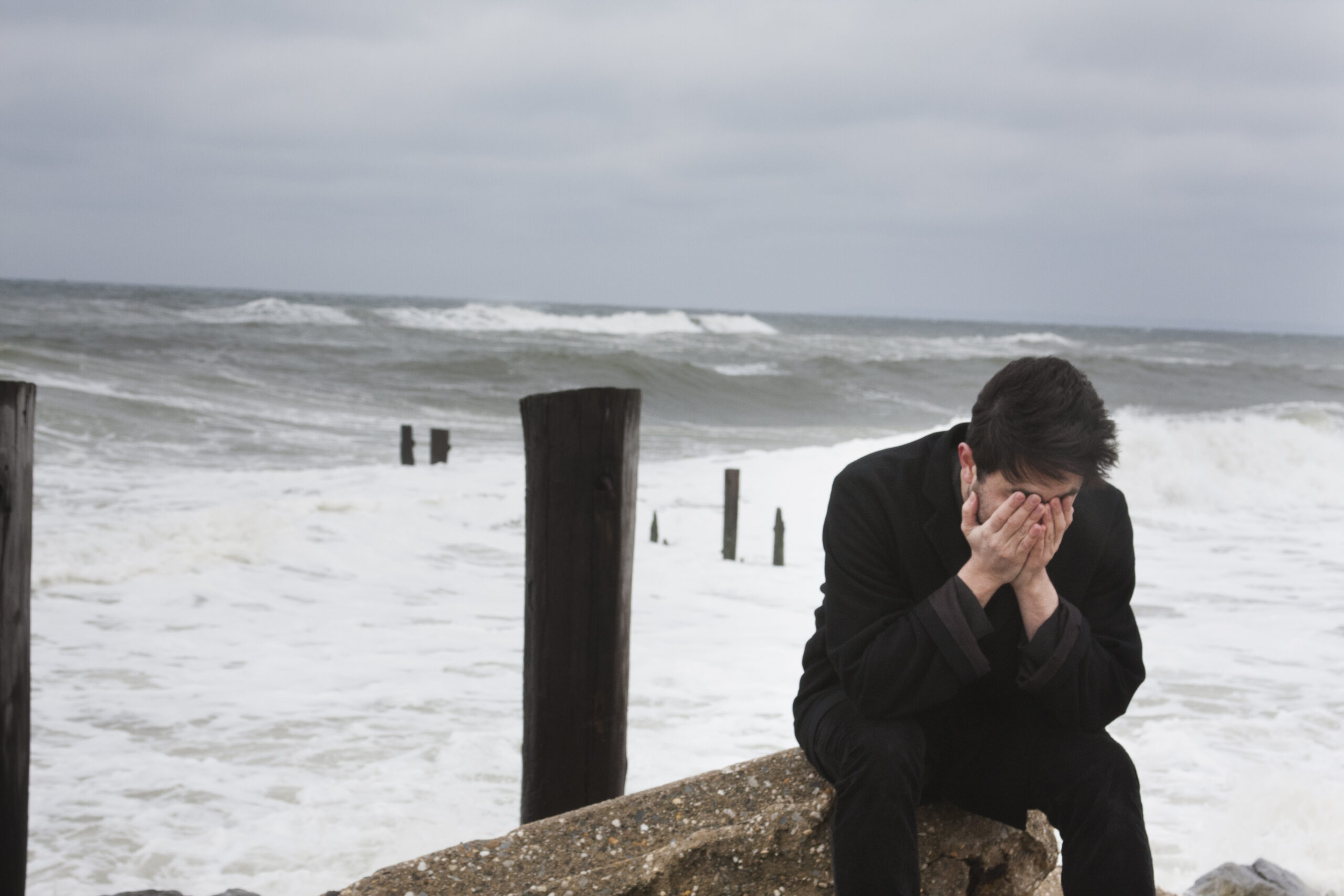

It is pure instinct for us to withdraw when we are wounded or grieving. Psychologically and spiritually we need time to let reality “set in” and to reorient ourselves in the light of upsetting events.
At a certain moment, however, we must heed the call to move forward in the Spirit, not forgetting the pain of the wound, but instead letting that very pain deepen our compassion and faith.
When Jesus first received the news of his cousin John the Baptist’s gruesome murder, we read in Matthew’s gospel that he “withdrew by boat to a lonely place where they could be by themselves.” Upon arriving at the hoped-for “lonely place,” he was met instead with a large crowd as soon as he stepped on shore.
How many of us can relate to this kind of disappointment! We bank on a few serene moments after a busy day at work, and the chatty neighbour rings the doorbell; we tiptoe past the kids’ room to sneak in some morning alone time, and they hear even our stealthiest efforts.
These disappointments hit even harder when there is emotional pain in the mix. It is then that we feel the powerful pull of solitude. It is in these moments where we fight hard to keep people out of our pain.
This is where we must watch Jesus closely. What is his reaction when all his hopes for solitude are dashed?
“He took pity on them, and healed their sick.”
Actually, more than that, he also proceeded to perform the most remarkable of his miracles – the miracle that merited mention in all four gospels – the multiplication of the loaves and fish. He went above and beyond physically healing all of those present. Out of his grief, a superabundant generosity was born. In his radical embrace of his Father’s will for him, he was able to transform his pain into healing.
In his own personal journal, now published as a book called The Inner Voice of Love, Henri Nouwen writes about the need to “stand erect in your sorrow.” Nouwen writes that as long as we experience pain, we will always experience the temptation to be swept away by it. But, he writes, we are called to acknowledge the feelings of sorrow and pain, and feel them “while remaining on our feet.”
“The temptation is to complain, to beg, to be overwhelmed and find your satisfaction in the pity you evoke. But you know already that this is not gaining for you what your heart most desires. As long as you remain standing, you can speak freely to others, reach out to them, and receive from them […] in this way real friendships are possible and real community can be formed. God gives you the strength to stand in your struggles and respond to them standing.”
It is a joy and a privilege to attend to those who have the gift of fortitude and wisdom in suffering. Many of the elderly in nursing homes have an inherent dignity and inner strength that comes from a lifetime of hardship and hard work. But it is not always so in the world at large. It is difficult to accompany others who refuse to stand erect in their pain. We’ve all met them. This is where we have to tread gently, to be present and offer to them Christ’s love but yet to respect healthy boundaries for their growth and for our own preservation.
The best thing we can do is strive to practise “standing erect” in our own sorrow and hope that God will use us to help others to find freedom from their own prisons of pain. Yet this too is pure grace and is hard-won.







