
I found a page on Facebook in support of people living with muscular dystrophy and their families. I thought there might be some boys the same age as my son. There are some young men with MD on the page, and they often post inspirational things, or sad things. Usually parents are there, grieving the loss of their son, or promoting some new study. Every once in a while some will post a question, asking people how to avoid having another child with MD.
The post goes something like this: My son has muscular dystrophy, and I am a carrier. I would really like to have another child. Does anyone know how I can make sure I don’t have another child with MD?
So, that’s a lot to unpack, but I’ll just move on to some of the replies, keeping in mind that the people writing have sons with MD, sons who probably see the things that are written.
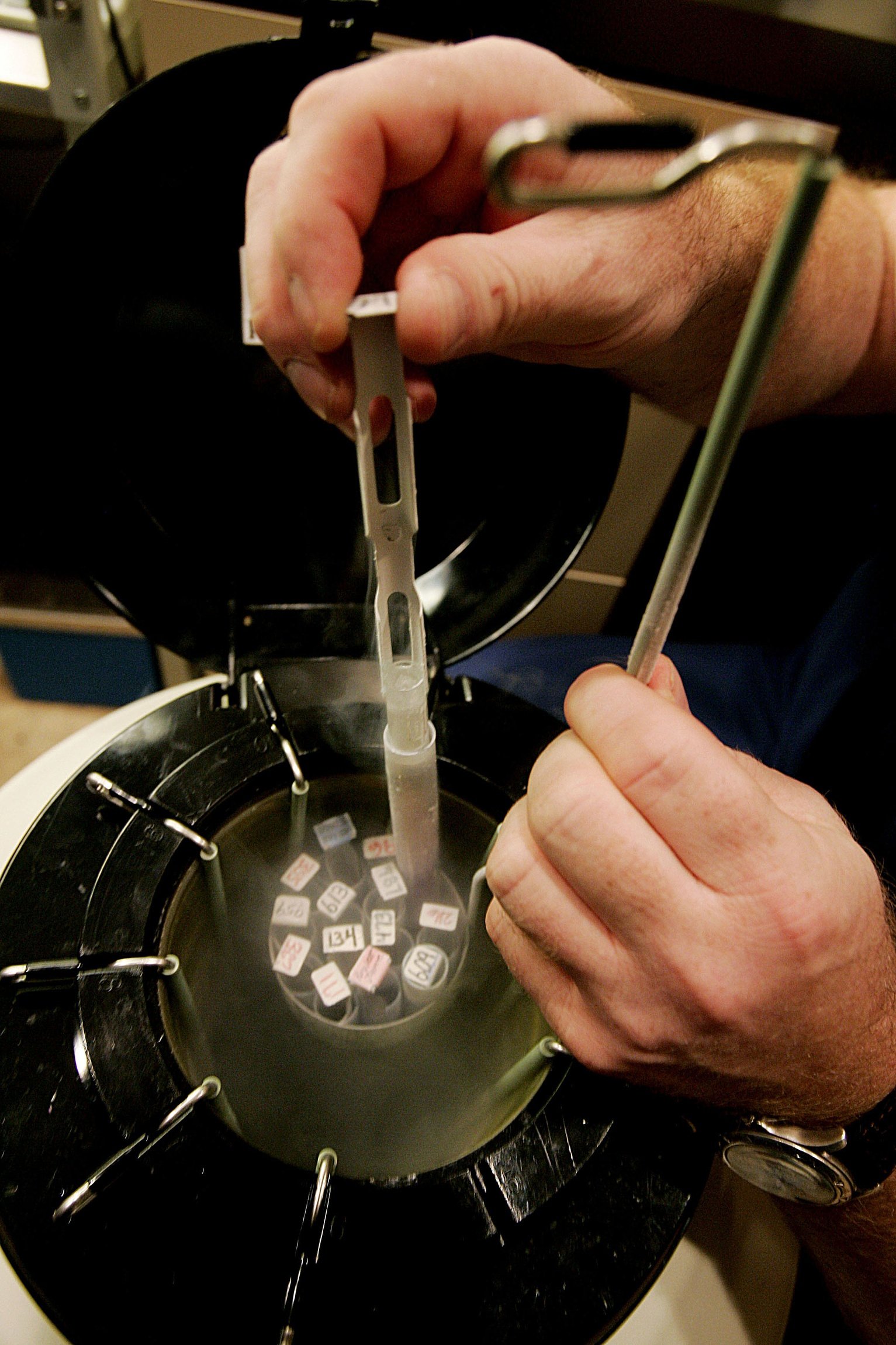
“Well, you can do IVF, and get the doctor to pick the good ones,” one woman suggested.
I replied, “Can you tell me what you mean by “the good ones”?
“Lol, sorry, I mean that the doctor can tell which embryos have MD, the bad ones, and they can make sure to choose an embryo that doesn’t have it.”
Lol.
So, I replied, “Wow. I’m glad my son isn’t on here seeing himself described as a “bad one.” I got a couple of thumbs up from two boys with MD.
A few months later, the same question comes up, and the same reply. But a second mom chimes in with, “Just get it checked out once you’re pregnant, and deal with it then if you have to.” Meaning get an abortion if the doctor tells you your unborn child isn’t perfect.
So I reply, “I know as a mom how hard these things are. Our poor sons suffer so much. But I wonder what it feels like for them to be on here and see other moms suggesting abortion for babies because they would be like them. It is eugenics you are promoting when you select a “good” baby from a tube, and make the unworthy ones die. Doesn’t it make you boys feel sad to keep hearing people talk about you as something to be avoided. Instead of trying to help you, we’re talking about how to get rid of anyone else like you. That has to hurt.”
It got refused by the admin.
Today my sister-in-law arrived from Alberta to be with Scott’s mom on the anniversary of his dad’s death. She sat beside a woman on the plane, and the woman quickly shared her views on guns and politics. She asked Christina why she was coming to Vancouver. Christina mentioned that her dad died a year ago after being ill for a few years.
The woman looked at her and said, no lie, “Why is it we can put our animals down, but not people!”
Christina thought she must have heard wrong, but no, the woman thought it a normal thing to say to a grieving daughter that her father should have been “put down” years before.
While not being the sole evidence, these types of conversations spoken without reserve or shame and promoting death for those we deem unworthy brings to mind a book I once saw on a bookstore shelf: Satan is Alive and Well on Planet Earth.
I don’t know how to describe how often I have been disheartened these past couple of years. The world is in a frenzy, torn between a deep, unreasonable terror of death, and an obsession with it. At any and all cost, humanity has turned the world upside down to avoid sickness, but happily offers death to those around them. Satan is indeed alive and well, and profiting in the selling of tombs.
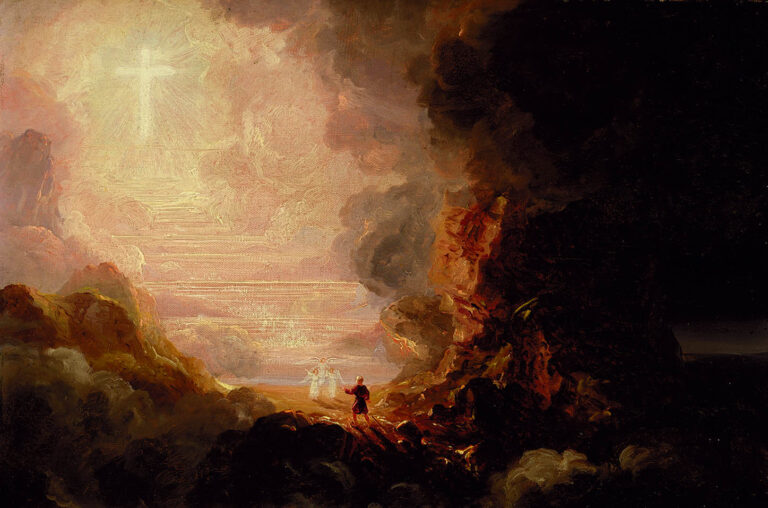
Easter is what has kept me going. We know, of course, that the tomb has been conquered. It has been obliterated by the glorious light that flowed through the nail holes in Christ’s hands. “I came that they may have life, and have it abundantly,” the light cries out. But before this abundant glory came his abundant suffering. Our Lord’s incarnation not only gave dignity to our humanity, but his passion gave dignity to our weakness, our sufferings, and sorrows. And his resurrection gives hope to our death.
Our sufferings have meaning, purpose, and a type of beauty in that they can lead us to greater sanctity. Christ became like us so that we could become like him, transforming our hardships and brokenness into glory and life.
The promise of Easter is that we, the children of God, are worth suffering for, worth dying for, worth saving. God himself accepted our suffering and death, but offered life in return. He means for us to truly live!
Jesus said, “I am the resurrection and the life; he who believes in me, though he die, yet shall he live, and whoever lives and believes in me shall never die.” (Jn 11:25)