

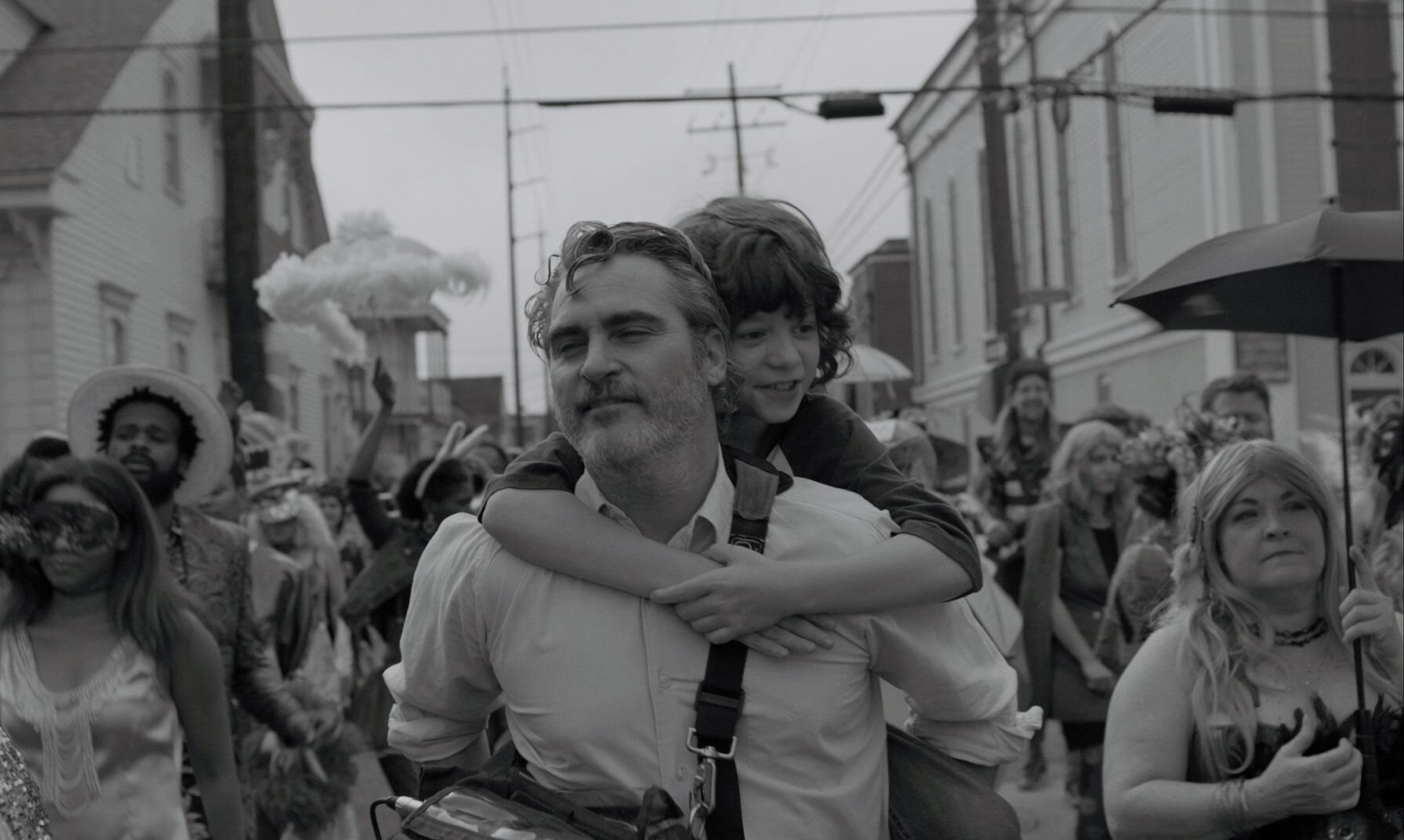

Once in a while, a film sneaks into the theatres and manages to entertain and be eloquently relevant to the times. Without fanfare, though, it risks being overlooked. Such is C’mon C’mon.
Its opening minutes introduce us to a New York radio host, Johnny, who heads a team of interviewers who are trying to find out what children think about life as they experience it and the future as they see it. The children, familiarly, seem to be all too aware of the problems that beset people, yet many of them find reason for optimism.
Certainly, Johnny himself is aware of the challenges that face adults. His unsatisfactory past is hinted at. He is interrupted in his work by a phone call from his sister, Viv, who is trying to deal with a crisis precipitated by her husband, who has mental and emotional problems.
Despite having become somewhat estranged from Viv as a result of differences in how to deal with their mother when she was suffering from Alzheimer’s, Johnny at once flies to Los Angeles to lend his support. There he is reunited with his nephew, Jesse. Jesse proves to be a rather unusual, not to say difficult, child having considerable charm, a challengingly lively imagination, strange insights into the world of adults, and deep emotional needs of his own.
If all this sounds decidedly too much like a bad soap opera, it is to the enormous credit of writer director Mike Mills that C’mon C’mon rings true throughout. Johnny, Vi, and Jesse are as authentic and realistic as any characters can be. In large measure, the success of the portraiture lies in the brilliant acting of Gaby Hoffman as Viv, Woody Norman’s stupendous portrayal of Jesse, and Joaquin Phoenix, who turns in one of his most understated, winning, and compelling performances as Johnny. So it is that it is fully logical that Johnny comes to his sister’s assistance when she is called to Sacramento to deal with her husband’s medical crisis; Johnny offers to take Jesse with him back to New York.
What follows is a kind of road journey as Johnny continues his professional activities. During their journeying together, Johnny and Jesse learn how to deal with each other’s shortcomings, emotional crises, and common pleasures – in other words, life itself.
If there is any fault with the film, it is that it runs rather longer than is necessary, but in everything else it is a lovely testament to the strength, understanding, and compassion of people. As the film makes clear, while we may be tempted to despair, the path to our salvation may well lead to self-acceptance and acceptance by those ordinary people around us.
Filmed in black and white, the movie never loses its grip on the difficulties and everyday joys of most people’s reality. Thus, the relationship of the protagonists is symbolic of the same problems, challenges, and simple pleasures as those of the children Johnny and his team are interviewing.
Indeed, especially in these days of climate change, weather catastrophes, pandemic, drug overdoses, and inflation, they are common to millions. The question then arises as to how to deal with them – or even whether one can. Ultimately C’mon C’mon tells us that, despite all the ills that beset us, somehow or other most of us will. Nothing could be timelier than this enchanting film.







