

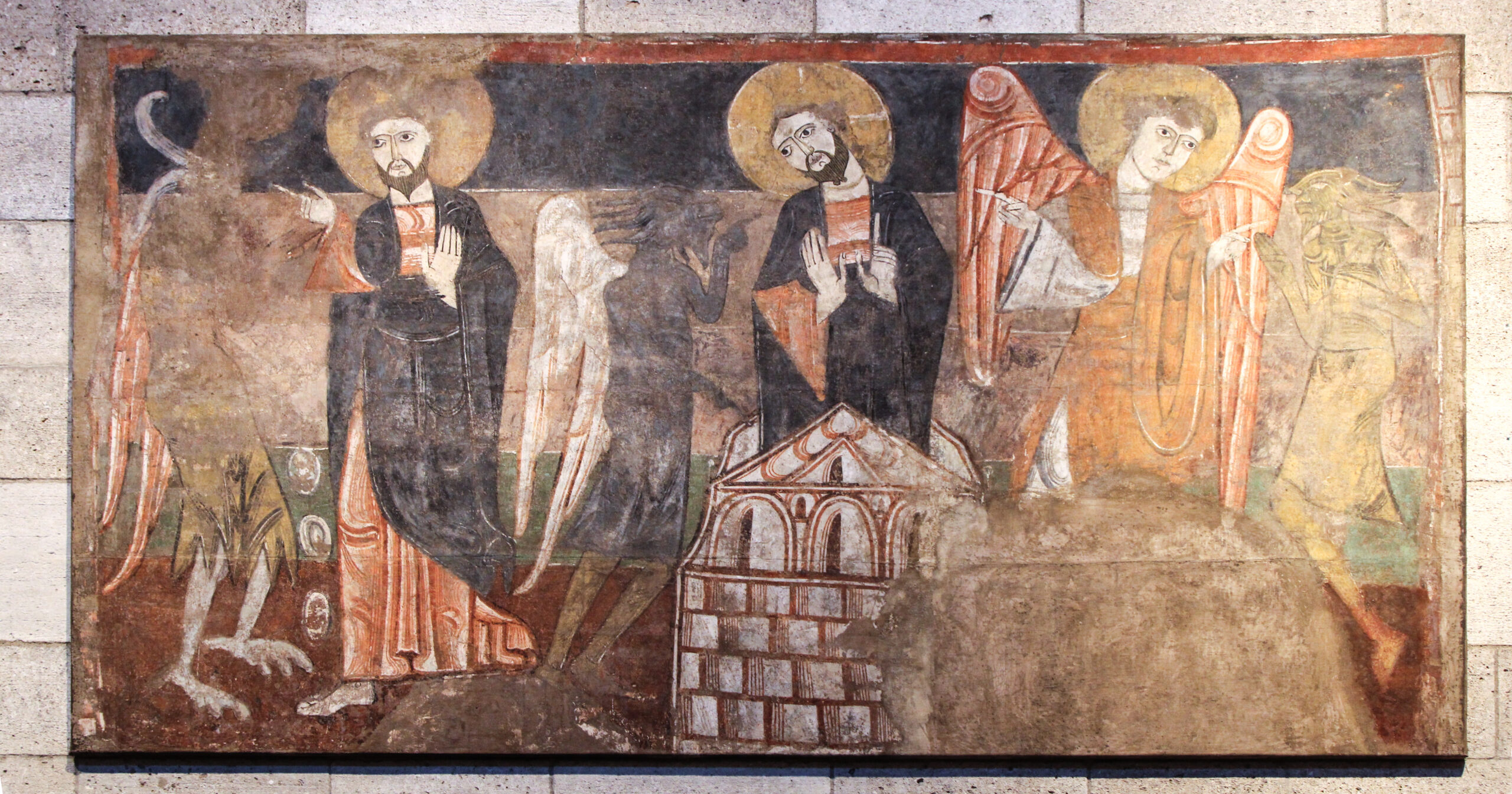

Shunning temptation, avoiding idleness, and prayer are effective means to overcome temptation.
Father John Hardon defined temptation as “any urge or incitement to sin, either by offering a person some satisfaction or by persuading a person’s will. Temptations arise from the world, the flesh, and the devil.”
St. Anselm wrote: “Do not argue with perverse thoughts or evil desires, but when they attack you, occupy your mind vigorously with some profitable meditation or plan until they vanish. No thought or intention is ever expelled from the heart except by some other thought or intention incompatible with it.”
St. Alphonsus taught to immediately dismiss any thought that has an “evil look” about it. “We must, as it were, slam the door in its face, denying it admittance into the mind, without stopping to decipher its meaning or intention. We must shake off such wicked suggestions as quickly as we would shake off fiery sparks that landed on our clothes.”
Pope Francis suggested we follow Jesus’ example when dealing with temptation and the devil. “One must never dialogue with the devil. Never! You should never enter into conversation [with him],” he said.
“Jesus never dialogued with the devil. He cast him out. And during his temptation in the wilderness, he did not respond with dialogue. He simply replied with the words of holy Scripture, with the word of God. Be careful: the devil is a seducer. Never dialogue with him, because he is smarter than all of us and he will make us pay for it. When temptation arises, never dialogue. Close the door, close the window, close your heart.”
This, he said, is the way to defend oneself. “The devil is astute. He is intelligent. He tried to tempt Jesus with quotes from the Bible, presenting himself as a great theologian. Be careful! One must not converse with the devil, and we must not entertain ourselves with temptation. There is no dialogue. Temptation comes: we close the door. We keep watch over our heart. We have to be the custodians of our hearts. And that is why we do not converse with the devil. This is the recommendation — guard the heart — that we find in various fathers, in the saints.”
One important way to guard the heart is to avoid idleness. The Rule of St. Benedict states, “idleness is inimical to the soul; and therefore the brethren ought to be occupied, at fixed seasons, with manual work and again at fixed seasons with spiritual reading.”
St. John Bosco emphasized the importance of keeping busy in wholesome activities. He said, “boys should be kept constantly occupied. After they are through with their school or shop duties we should entice them to join the choir, the band, or the Knights of the Altar. This will keep them busy. If we do not give them something to think about, their minds will turn to unwholesome thoughts.”
He also called idleness the father of all vices. Here are some of his sayings regarding idleness: “Your greatest enemy is idleness; fight it without letting up.”
“An idle mind is the devil’s workshop.”
“Avoid idleness and idle people; carry out your duties. Whenever you are idle you are in serious danger of falling into sin, because idleness teaches us all kinds of vice.”
“As soon as you become aware of temptation, busy yourself with something. Idleness and modesty can’t go together. In overcoming idleness, you will overcome temptations against purity.”
Another effective means to guard the heart against temptation is prayer. “As water extinguishes fire, so prayer extinguishes the heat of the passions,” said St. John Chrysostom.
Or, as St. Alphonsus Liguori said, “When you are tempted, do not trust yourself, and do not trust all the good resolutions and promises you have made, but rely completely on divine assistance. Have immediate recourse to God and the Blessed Virgin.”
Your voice matters! Join the conversation by submitting a Letter to the Editor here.
我們必須守護我們的心
根據John Hardon神父的說法:「誘惑是任何引導或煽動犯罪的衝動,無論是通過提供某種滿足感還是說服人的意志。誘惑來自世界、肉體和魔鬼。」避免受到誘惑,不要閒散和祈禱是有效方法。
聖安瑟莫說:「不要與邪惡的念頭或欲望爭論,當它們攻擊你時,用一些有益的默想或計劃來積極佔據你的心靈,直到它們消失。任何念頭或意圖都不能從心中驅逐,除非有其他與之不相容的念頭或意圖取而代之。」
聖亞豐索說:「一旦我們意識到一個帶有邪惡意圖的念頭,我們必須立即將其驅逐。我們必須像關上門不讓它進入心靈一樣,拒絕讓它進入,而不要停下來解讀它的意思或意圖。我們必須像抖落在衣服上的火花一樣迅速甩掉這些邪惡的建議。」
教宗方濟各說:「親愛的兄弟姐妹們,永遠不要與魔鬼對話。絕對不要!你永遠不應該與魔鬼交談。耶穌從未與魔鬼對話。祂驅逐了魔鬼。耶穌在荒野中受試探時,祂也沒有與魔鬼對話。祂只是用聖經的話語,即天主的話語來回應。要小心:魔鬼是誘惑者。永遠不要與魔鬼對話,因為魔鬼比我們所有人都聰明,會使我們付出代價。當誘惑來臨時,絕不要對話。關上門,關上窗戶,關上你的心。這樣,我們才能抵禦誘惑,因為魔鬼是狡猾的又很聰明的。魔鬼曾試圖用聖經的章節來誘惑耶穌,將自己裝扮成一位偉大的神學家。小心!絕不能與魔鬼交談,也不能沉迷於誘惑。沒有對話。誘惑來臨時:我們關上門。我們守護自己的心。我們必須成為自己心靈的守護者。這就是為什麼我們不與魔鬼交談的原因。這是許多聖人和教父們的教誨中都能找到的建議—守護心靈。」
守護心靈的一個重要方法是避免閒散。聖本篤會規中寫道:「閒散有害靈魂;因此弟兄們應在固定的時間從事體力勞動,又在固定的時間進行靈修閱讀。」
聖若望、鮑思高強調保持忙碌於健康活動的重要性。他說:「男孩們應該時刻保持忙碌。在完成學校或工作坊的任務後,我們應該吸引他們加入合唱團、樂隊或輔祭團。這會讓他們保持忙碌。如果我們不給他們一些值得思考的事情,他們的心思就會轉向不健康的念頭。」
若望、鮑思高稱閒散是萬惡之源。以下是這位聖人關於閒散的一些箴言:「你最大的敵人是閒散,要不斷地與之鬥爭。」 「閒散的心靈是魔鬼的工場。」 「避免閒散和閒人,履行你的職責。每當你閒散時,你就有嚴重的墮入罪惡的危險,因為閒散教識我們各種惡行。」 「一旦意識到誘惑,就忙於做某事。閒散和謙遜不能共存。克服閒散,你將克服對純潔的誘惑。」
另一個有效抵禦誘惑的方法是祈禱。金口聖若望說:「如同水能撲滅火焰,祈禱也能撲滅激情的火焰。」聖亞豐索‧力戈里說:「當你受到誘惑時,不要相信自己,不要相信你所做的所有良好決心和承諾,而要完全依靠天主的幫助。立即求助於天主和聖母。」
Your voice matters! Join the conversation by submitting a Letter to the Editor here.







