

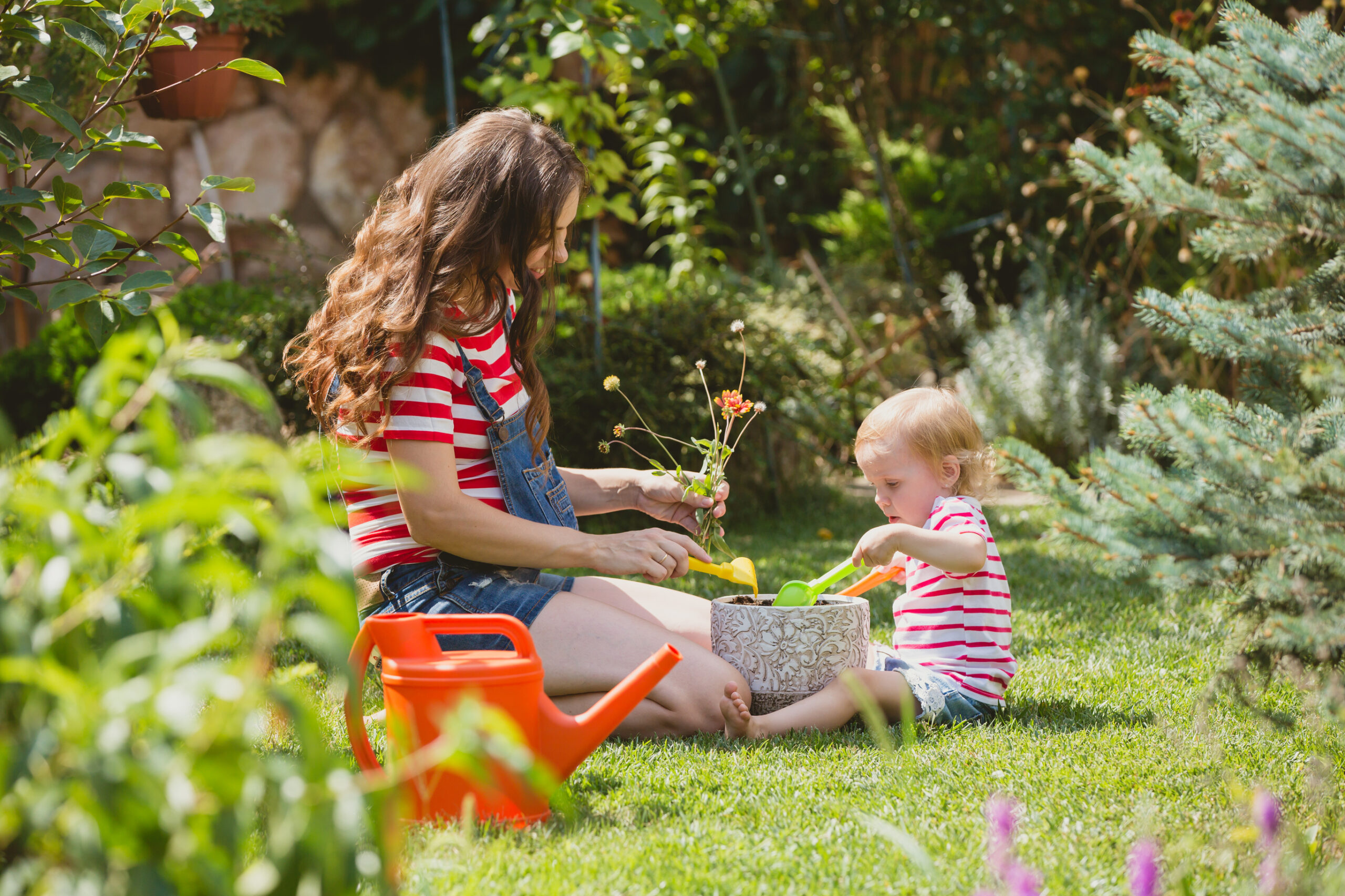

What are you growing these days?
Are you growing a garden with colourful, aromatic plants? Have you planted a selection of seeds that will transform into good things to eat, filled with life-giving nutrients? Maybe you are blessed to be an expectant mom doing the most important work of growing a human being, body and soul, in your womb. Perhaps you are just growing impatient with pandemic restrictions and your 24/7 self-isolating companions?
Spring is a season for planning, planting, and growing, which is a reminder to the world that growth is a necessary part of life. Growth is not only just for plants, kids, and fungus. Growing is especially for Christians, and, specifically, for our spiritual lives. If Christians are not growing closer to God, then we are missing something, or, rather, we are missing out on something.
It makes sense that, throughout the Easter season, we are hearing in the first readings at Mass about the incredible growth the young Church experiences in the Acts of the Apostles. The Easter season is certainly the “growing season” of the Church, a true springtime in the life of the Catholic faith. The Apostles travelled extensively, faced persecution and martyrdom, organized faith communities, and even hammered out doctrine, as evident in the case of the great debate in Acts 15 over circumcision.
As so often happens (no coincidence), liturgy mirrors life. Last fall, we were finally able to plant some bulbs after a couple years of renovations. Last month, right around Easter, we were all excited to see the green shoots poking up through the dark earth as the snow (finally!) melted, giving way to warmer, longer days, and hopefully, a season of growth. With any luck, and continued care and nurturing, we will soon be enjoying the sight of purple allium and white hyacinths. The mere sight of plants popping up through the earth, buds on the trees, and garden centres reopening affirms life. We desperately need this affirmation these days when we are bombarded with stories of sickness and death.
Our family’s experience with new life is much like the budding early Church and the way each Christian is called to plant and cultivate the seeds of spiritual life until they mature and grow, revealing a closer relationship to God. We often have to endure the long winter to enjoy the fruits of our autumn labour, just like we have to be patient with God’s plan for us and trust that his seeds will be fruitful in our lives. The fruits of those seeds are lived out in acts of evangelization and service to the God, the Church, our families, neighbours, and the world.
What are the seeds of the spiritual life? The seeds of faith, hope, and love were planted at our baptism. Most likely as babies, we were invited into that beautiful garden of Trinitarian life, an invitation we solidified later in life when we received the sacrament of confirmation. When we were children, it was up to our parents, grandparents, godparents, pastors, and the general Christian community to hoe those seeds with the tools of prayer, Scripture, catechism and providing living examples of Christian living, or revealing Christ to us.
As we got older, after confirmation, the burden of nurturing our faith shifted more to our own shoulders, but still with the guidance of others. Our garden of faith, hopefully, has grown from childlike understanding to a more profound relationship with Christ and a deeper commitment on our part to live out his will in our lives. We dig a little deeper with that hoe, making sure those seeds are firmly rooted. We take greater care to water and fertilize our faith with daily prayer, frequent reception of the sacraments, acts of charity in Christ’s name, spiritual reading, educating ourselves in Church teaching, taking seriously our mission to evangelize.
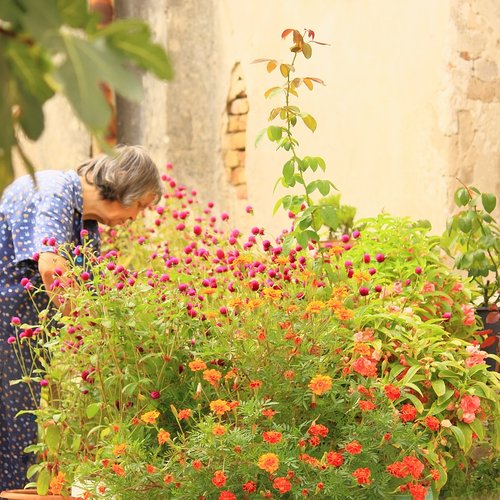
While you are planting and maintaining your garden this year, think about the spiritual reminders of your actions. Watering plants brings to mind baptism, and how that has defined who we are in the world – children of God. Hoeing, weeding, and pruning can remind us that our souls are also in need of tending. We need to weed out of our lives those bad habits that choke our spiritual lives and keep us farther away from God. Adding fertilizer and ensuring sunlight is like accessing the grace of God given through prayer and the Eucharist, making us grow towards him.
If you have a about eight minutes to spare, check out a video on the Franciscan Missionaries of the Eternal Word’s YouTube channel called “Inside the Friary – Tour Fr. Joseph’s Garden.” Along with practical tips and suggestions on gardening, Father Joseph says, “expect to have some failures,” and points out the place where he planted cucumber seeds, but they didn’t grow. Another parallel to the spiritual life! There will be times when sticking to what we profess in the Creed during Mass every Sunday won’t be easy. We won’t always feel like doing God’s will or choosing the virtuous path, nor will we succeed in doing so all the time. We will fail. We will find ourselves on some dead-end paths, just like the seeds that don’t germinate. But, in the garden of faith, we can always reassess and seek forgiveness through the sacrament of reconciliation. Then we pick up the hoe and start again.
The next time you are taking part in helping something grow, remember that it is always growing season for your faith. When you get down on bended knee to pick out those weeds, remember how important it is to spend time kneeling in prayer. When you check on the progress of your garden, watching carefully for pests, drought, and blight, think about the careful watch we need to keep on our souls, protecting ourselves from the vices that keep us from growing Christlike.
If you need a little extra help in your vegetable or flower garden, or in the garden of your faith life, the Church even offers us a few patron saints of gardeners: St. Phocas, a fourth-century Christian gardener who was martyred during the persecution of Emperor Diocletian, and his contemporary, St. Dorothy; and seventh-century Irish monk St. Fiacre. Be sure, in some way, to embrace this growing season that reminds us of our own need to grow in all aspects of our faith and, remember, even Jesus spent his last night before his death deep in prayer in a garden.
Lazzuri writes from her home in Nova Scotia, where she lives with her husband, six children, and her mom. She can be reached at clarelazzuri@gmail.com.







