

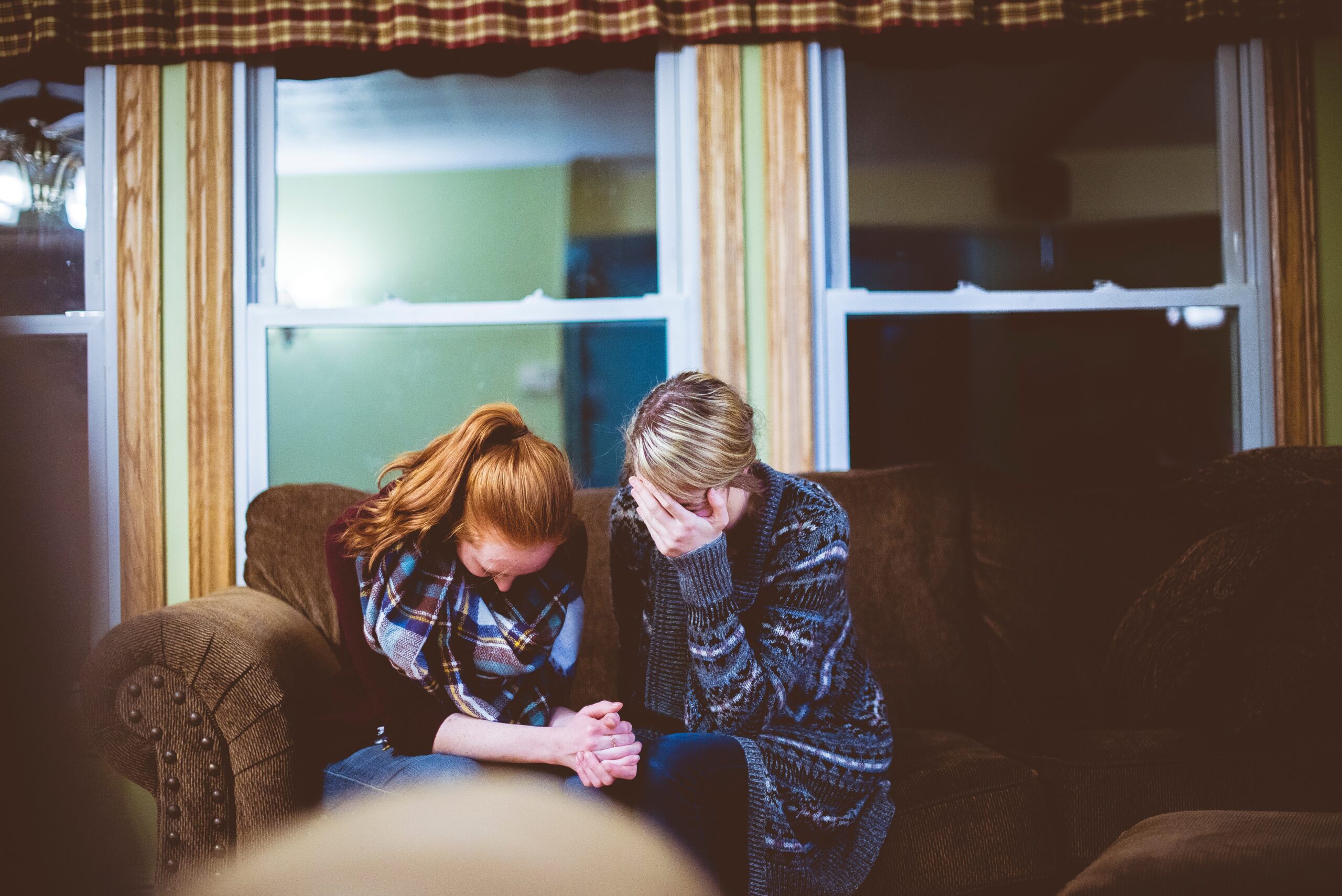

Grief comes down to acceptance of a new reality that impacts your whole being: body, mind, and spirit. Someone and something has been lost to you. Existence on this earth as you know it has changed and may feel unfamiliar, frightening, relieving, shocking, interesting, hopeless, or purposeful.
A person’s reaction to loss is as unique as the bond they experienced with a person, how they lived that bond day to day, and their experience of closure. A person’s experience of grief – how it is thought of accepted, welcomed, denied, resisted, or shared – shapes much of how they adapt to the new reality they are immersed in.
When a person is going through grief, their emotions, thoughts, physical health, and functioning may change and surprise them as well as others. Grief takes space and energy to go through, digest, heal, and grow with.
It’s the prerogative of every human to discover the purpose of their own grief. My best understanding, from my own experience as well as listening to others, is that grief expands and connects us.
I have heard some people describe their experience of grief as resembling waves. Grief flows in, then subsides.
One wave floods with deep painful longing. The next may spur forward the complexities of unresolved hurts locked away and festering. The subsequent wave may carry with it a sweetness of memories accompanied by a smell or physical sensation, leaving behind just enough energy to connect with others, hang a picture, listen to a song, say a prayer, wash the dishes, or write a letter to set the record straight and say goodbye. Grief is ever moving.
There is not enough language to accurately describe grief. Grief is lived at all levels – in our bodies, thoughts, emotions, functioning, relating to others, and spiritual life.
I have heard people say their grief “accompanies” them as they rebuild their life, health, relationships, and goals.
If you are journeying with your own grief, or supporting someone as they grieve, keep in mind that grief is real. It calls for certain conditions at different stages of its lifecycle.
Some of these conditions may be (but are not limited to) allotted time and space set aside to simply be with one’s grief, to cry and mourn, to write, to read, to pray, to walk and exercise, to rest, to play, to connect with creative pursuits, to be heard, to revisit the sacraments and talk to Christ in adoration, to eat wholesome meals and experience closeness with others who share common memories, to accept what has been and dream of a new vision for your life, to speak thoughts and feelings as they emerge, and to let them be without analysis or judgment.
When grief is complicated by a bond infused with negative, unresolved, or even traumatic experiences, it is an option to seek resolution, healing, and closure. The residue left in one’s mind, body, and soul can be worked through.
Reaching out to a web of supports in friends, a therapist, a spiritual director or pastor, one’s faith, reading the Gospels, reading stories of the journeys of others, or planning revitalizing activities including rest and nourishing meals can all be tools necessary to pursue healing and growth after complex, significant, and important losses.
Dr. Jenny Brown, an Australian psychologist, says that while grief and loss affect us as individuals, its impact is also felt within family systems and the communities we belong to.
Grief is not just adjusting to a specific loss, but can also be seen as a fundamental reorganization of life, informed by the experience of generations gone by, that will impact generations to come. (Read more in the book Loss and Discovery: Responding to Grief with the Compassion of Christ and the Skills of All God's People, by Margaret Wesley).
At the centre of our mourning, new or old, may we all be comforted by an encounter with the reality of Christ’s unifying love – a bond to humanity that overcame death and separation.
Sarah Ruggier is a registered clinical counsellor based in Vancouver.
For a list of counsellors recommended by the Archdiocese of Vancouver, visit www.rcav.org/personal-counselling.







