

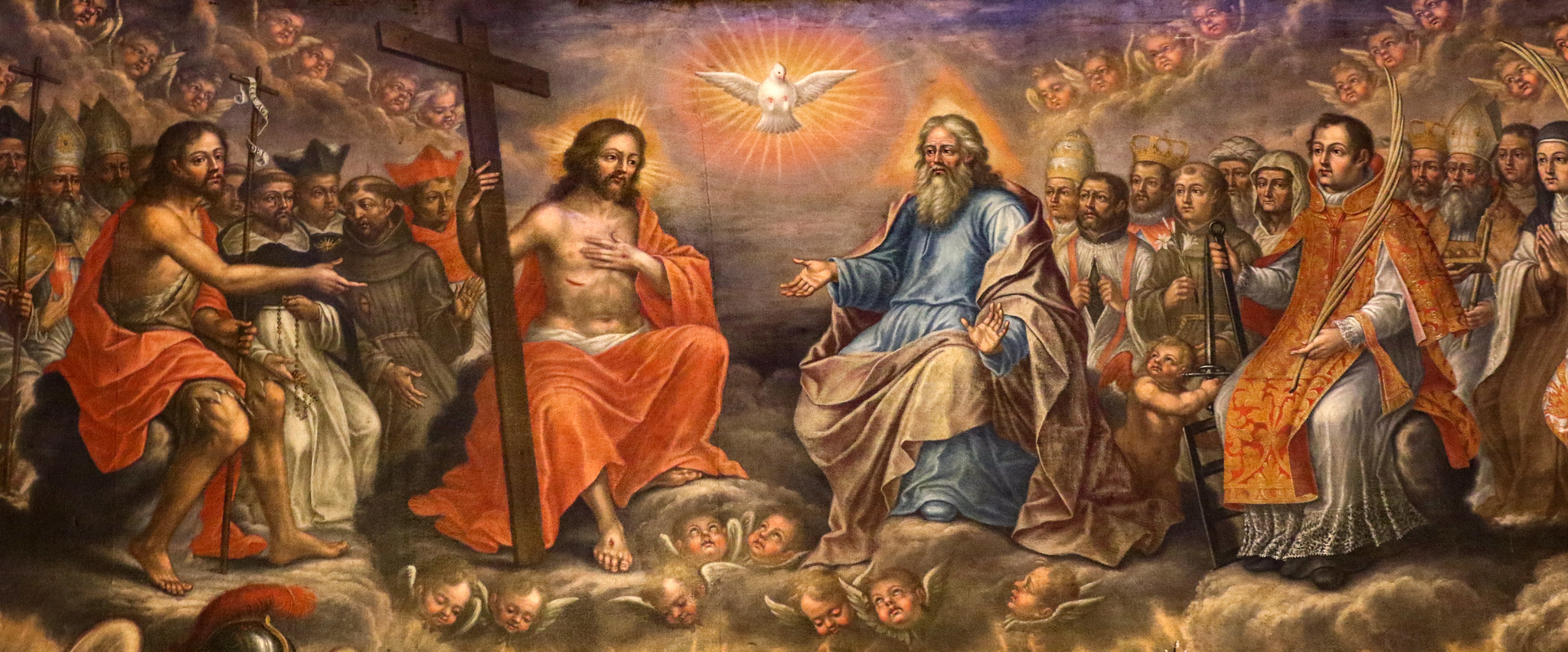

St. Alphonsus de Liguori wrote powerful reflections on heaven and hell. The saint taught that a soul seeing God in heaven “will perceive in particular all the graces and favours bestowed on it, which until then had been hidden. It will see all the mercies he has shown it in waiting for it and pardoning its ingratitude. It will see the many calls and lights and aids which have been granted to it in abundance. It will see that those tribulations, those infirmities, those losses of property or of kindred, which it regarded as punishments, were not really punishments, but loving dispensations on the part of God to draw it to a perfect love for him.”
The saint also wrote, “The Blessed are happy, not so much through the delight which they experience in themselves, as through the happiness which God enjoys. For as the Blessed love God immensely more than themselves, so the wellbeing of God delights them immensely more than their own on account of the love which they bear to him. And this love for God will make them forget themselves, and all their delight will be to please their Beloved.”
St. Augustine wrote this prayer: “You stir man to take pleasure in praising you because you have made us for yourself and our heart is restless until it rests in you.” And the Second Vatican Council states: “man, who is the only creature on earth which God willed for itself, cannot fully find himself except through a sincere gift of himself.” We experience a foretaste of heaven here on earth by loving God above yourselves and by self-giving love.
Regarding the punishment of hell, St. Alphonsus wrote, “The grievousness of punishment must correspond to the grievousness of sin. Mortal sin is defined by theologians in a single phrase: ‘a turning away from God’ – turning one’s back upon God. And in that consists the malice of mortal sin. It consists in despising the divine grace and in being willing of one’s own accord to lose God, the Supreme Good; wherefore, justly the greatest punishment of sinners in hell is the pain of having lost God.”
The Catechism of the Catholic Church states: “The chief punishment of hell is eternal separation from God, in whom alone man can possess the life and happiness for which he was created and for which he longs.” (1035) The Catechism also teaches: “God predestines no one to go to hell; for this, a willful turning away from God (a mortal sin) is necessary, and persistence in it until the end.” (1037)
St. Alphonsus further explained: “The soul, which is created to love its Creator, cannot but find itself impelled by its nature to love its Last End, which is God. In this life, the darkness of sin and earthly affections lull to sleep this inclination which it has to unite itself to God, and therefore it is not greatly afflicted at seeing itself separated from Him; but when it leaves the body and is delivered from the senses, then it sees in clear light that God alone can satisfy it. Hence, as soon as it is set free from the body, immediately it flies to embrace its Supreme Good; but being in sin, it will find itself thrust back by God as an enemy. But though driven away, it will not cease to feel itself ever drawn to unite itself with God; and this will be its hell – to find itself ever drawn toward God and always driven away from God.”
The saint gave the following practical advice: “He that does not give himself wholly to God is ever in danger of turning his back upon him and of losing Him, but a soul which resolutely detaches itself from everything and gives itself all to God loses him no more, because God Himself will not allow that a soul which has heartily given itself completely to him should turn its back upon him afterwards and perish. Wherefore, a great servant of God was accustomed to say that, when we read of the fall of certain persons who had before given tokens of living a holy life, we must conclude that such persons had not given themselves completely to God.”
To comment send us a letter to the editor here.
天主本身就是諸聖的賞報
聖亞豐索寫了天堂和地獄的有力想法。他教導説,一個靈魂在天堂上享見天主,會明白所有獨特的聖寵,恩惠施加予它,在到此之前都是隱蔽著的。它會見到祂顯示的一切憐憫,在等待它,和寬恕它不懂感恩。它會見到那很多大量地允許的召叫,啟發和幫助。它會見到那些磨難,缺點和那些財物或親人的損失,看似是一種懲罰,但不是真正的懲罰,卻是一聖意的安排,把它拉到完美地去爱天主。
這聖人也寫道:『諸聖是愉快的,不太是因為他們自身體驗到的喜樂,而是籍著天主自己享受的喜樂。因為諸聖們熱烈地愛天主還甚於愛自己,所以天主的喜樂廣大地讓他們喜樂,更甚於他們自己愛天主所應得的。天主的愛讓他們忘記自己,而他們全部的喜樂,會是悦樂他們所愛的一位。』
聖奧斯定寫了這篇禱文:『袮鼓勵人在讚美祢中找到喜樂,因為祢為祢自己創造了我們,我們的心是永不休止,直至它祢内休憩。』梵二說明:『在這大地上,惟有人是天主為人的本身而喜愛的受造物。故人類惟有衷誠地捨己為人,始能達到圓滿。』。我們以愛天主多於愛自己和捨己的愛,可以在這世界上預先體驗天堂。
有關一地獄的懲罸,聖亞豐索寫道:『最悲痛的懲罸是相對於最悲痛的罪惡。神學家們形容大罪為:「離開天主」—以背向主。這樣包括了大罪的敵意。它包括鄙視聖寵,和自己的意願去失落天主,這至尊的天主,所以地獄裡的罪人應得的最大懲罰是失落天主的痛苦。』
天主教教理闡明:『地獄主要的痛苦是與天主永遠的分離,因為人只可從天主那裡得到生命和福樂,人是為此被創造,並不斷地渴求這生命和福樂。』(1035)。天主教教理也教道:『天主並沒有預定任何人下地獄。 因為下地獄是故意離棄天主的行為,亦即大罪,在大罪中罪人至死不悔改。』(1037)
聖聖亞豐索進一步解釋説:『靈魂是以愛它的創造者而造的,不可作什麽,但只能被自身天性驅使去愛它的終結,就是天主。在這生命中,罪惡的黑暗,世間事物的喜愛,催眠了這份要與天主結合的傾向,讓它在與天主分離時不覺苦惱;但當它離開肉體的時候,它清楚明白看見,天主是唯一可讓它滿足的。所以當它不再受肉體牽制後,它立即飛去擁抱它最好的;可是有罪的它會被天主摔倒,如敵人一般。但雖然被驅走,它不會停止感到它曾被拉近與天主结合;這便是它的地獄了—它要尋找可曾為天主拉近,但經常被驅離天主。』
這位聖人給了以下實用的勸勉:『那些不把自已全部給予天主的,會有轉背於祂和失落祂的危險;但那些决意棄絕一切並把自己全然給予天主的不會再失落祂,因為天主自己不會容許一個全心奉獻給祂的靈魂可以背祂去,日後落於喪亡。為何天主的一位偉大僕人習慣地說當我們知悉某人跌倒,他也曾是神聖生命的象徵,我們要概括的是他們沒有把自己全部給予天主。』







