

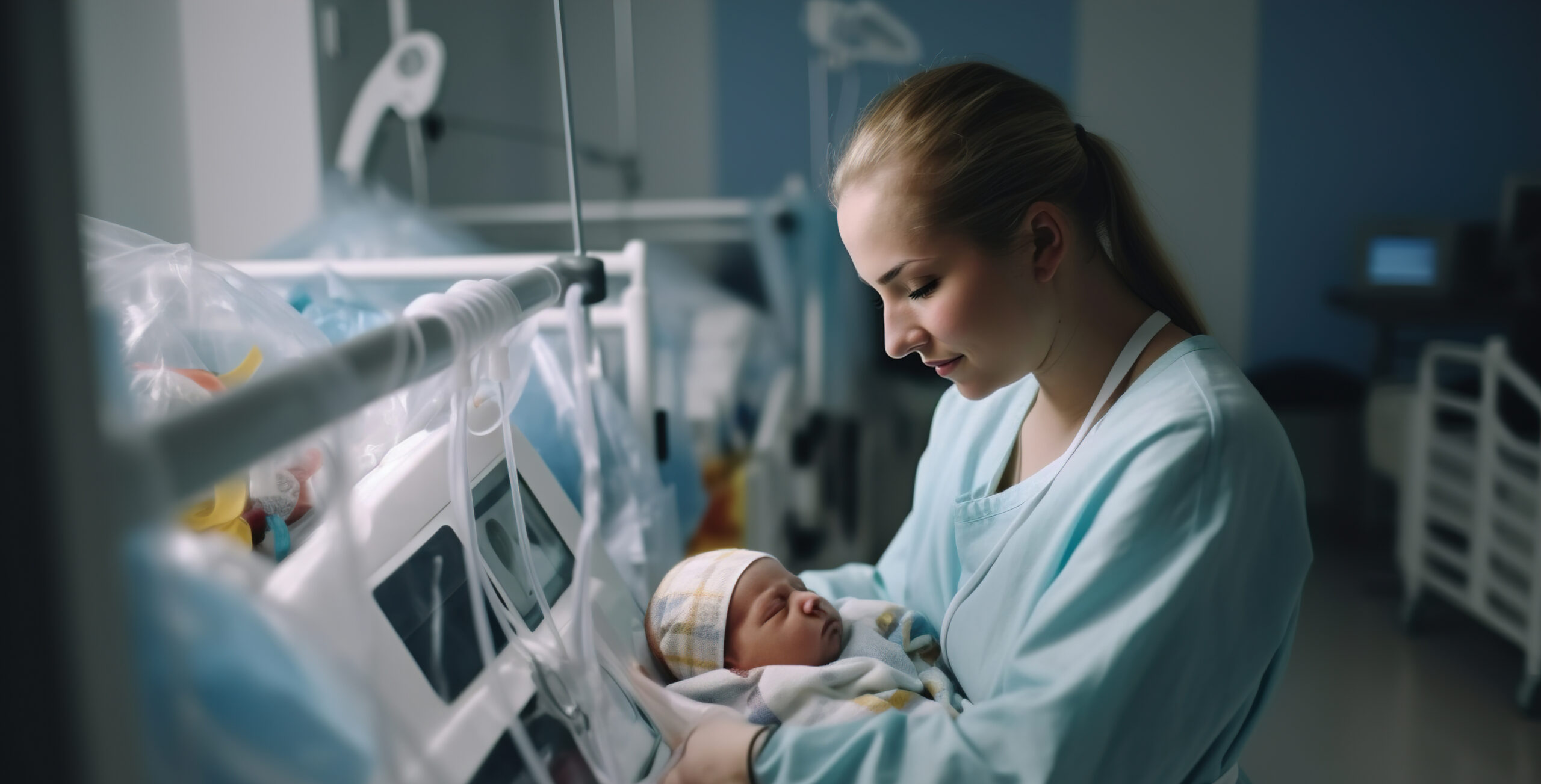

It is well-known that humans need to be touched. Newborns are placed skin-to-skin on a parent as soon as possible after birth. Preemies and young babies in hospitals who cannot be held benefit from someone stroking their hands and feet as much as possible. When hospitalized infants are able to be held, volunteers come to cuddle and rock them for their parents to take respite breaks.
Touch is healthy for our security and emotional development, as well as for our physical healing.
In a parent faith-sharing group to which I belong, the topic of the power of touch was raised. One father (who is also an educator) shared his observations on touch in different forms. We may often think of more intimate forms of touching, such as hugs, handshakes, or handholding, but he observed that when we sit elbow-to-elbow with people in our church pews there is a different level of belonging. There is often a great sense of comfort in knowing that we are sitting right beside others who share our beliefs.
Sadly since COVID there seem to be fewer people in our churches and we do not get the opportunity to experience fellow parishioners’ up-close presence on a weekly basis. It is up to us to create similar opportunities for togetherness, and this educator has tried to bring side-by-side touch to his school, allowing his students to sit near each other on a classroom carpet for daily prayer. He has found that these experiences build community and trust as people share a common experience. I have observed something similar with my class as well.
When we are close to people, we feel a sense of belonging. Literally “rubbing elbows” makes many of us feel like valued members of a group, even if we don’t always realize it.
Of course, there are some individuals who find close contact uncomfortable, overwhelming, or even impossible for many reasons, including anxiety, sensitivities, and immunity issues. We must respect everyone and their various situations, remembering that fist pumps, high-fives, eye contact, waves and virtual hugs still touch a person’s heart, making them feel acknowledged and valued. We must meet people where they are to make them know they are important and welcome.
Church and communal prayer are two ways to work toward this goal of touching people physically and emotionally. The family-style table is another.
In the past, I have written about the value of eating together as a family. Now I wish to share my experience of eating with my students. At the end of June, I decided to host a high tea for my class. Even though some of my students fall into the category of being overwhelmed by close contact, everyone remained at the table for the duration of the party. The respectful conversations and good manners I observed told me that they actually enjoyed sitting closely together around a long table.
The conversations were joyful but not noisy. The laughter was animated but not over the top. The students ate politely and sat calmly in their chairs. The smiles on their faces warmed my heart, and I thought of the above observations about sitting elbow-to-elbow.
These children are not siblings, but they were very open to sitting in a family-like setting together. In fact, as sad as it is to see them leave my classroom and head off to high school, it does my heart good to know that our class was its own little family. May some of them continue to connect and depend on each other as they grow older.
Physical touch is one of our basic human needs, and being seen is another need we often fail to mention. If someone is uncomfortable with physical touch, show them you notice them in other ways. If you’re not sure if they like to be touched, invite them to just sit with you at Mass or to share a meal or cup of tea together.
Christ came to walk with and physically touch humanity. May we find ways to touch one another spiritually, emotionally and, if possible, physically. Touch is necessary and powerfully healing.
“And wherever he went – into villages, towns or countryside – they placed the sick in the marketplaces. They begged him to let them touch even the edge of his cloak, and all who touched it were healed.” (Mark 6:56)
We welcome letters to the editor about articles in The B.C. Catholic.







