

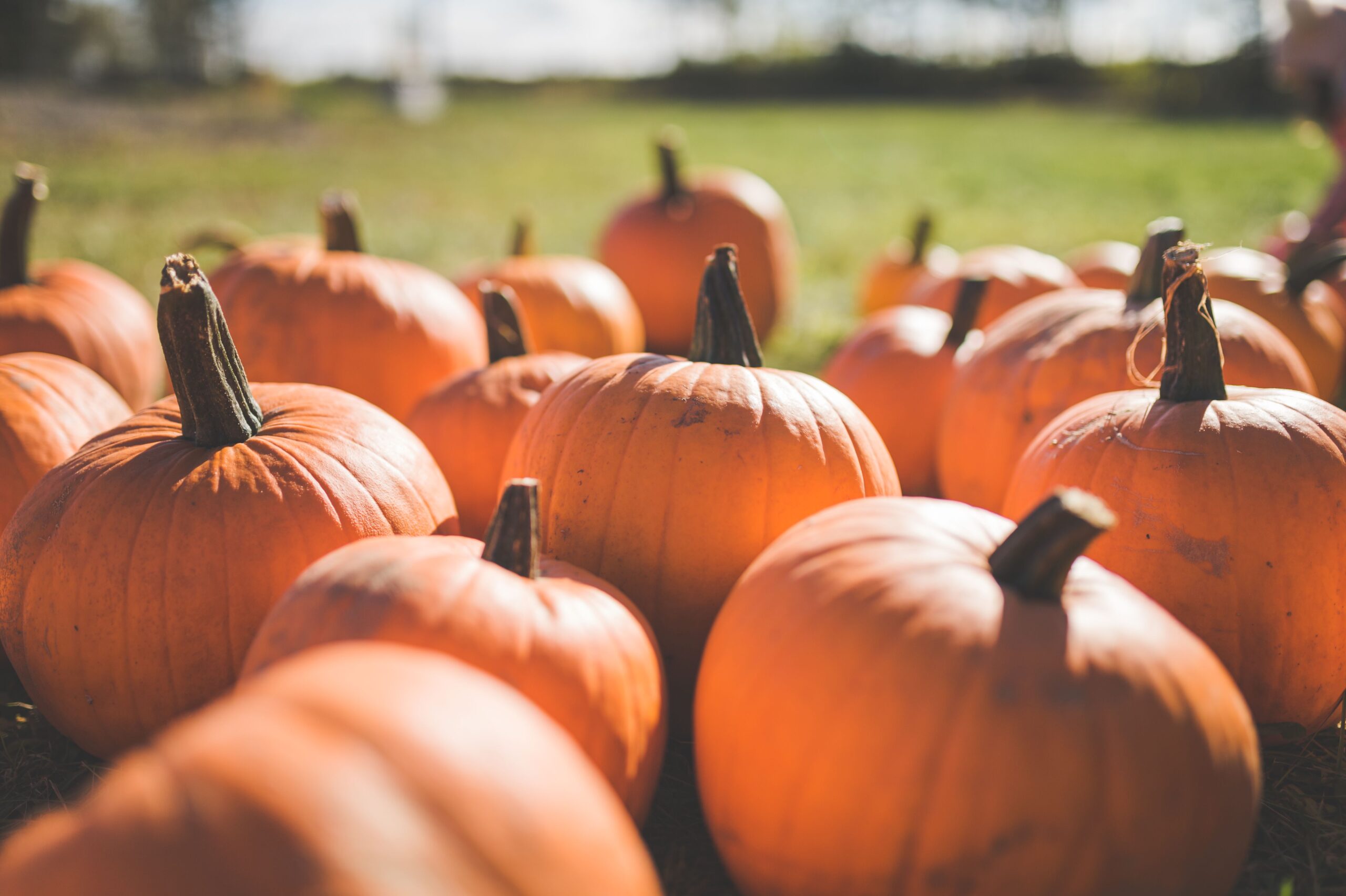

I don’t think I could even attempt to count the number of pumpkin chocolate chip muffins or cookies I’ve made over the years. While I don’t think I ever had pumpkin anything when I was growing up, my kids have been raised on pumpkin muffins, loaves, pies, and various other gourd-related baked goods.
Here we are in the throes of another pumpkin-spice-everything season — lauded by many and scorned by some. Of course, with the availability of canned pumpkin in stores all year, there’s no need to restrict our pumpkin consumption to the fall season; however, the marketing gurus of the world found a gold mine in the pumpkin patch and aren’t about to let go. In recent years, I’ve started roasting my own pumpkin and freezing it so we (including the dog) can have treats all year, though even I fall prey to the “need” to break out the pumpkin recipes at this time of year.

As I thought about sourcing some pumpkins for roasting, it called to mind the various parables about harvesting and working in the fields, which is a recurrent theme in the Sunday Gospels for late September and early October this year. God reminds us that we are called into the fields – and not just for pumpkins. Just like we need to go through the process of procuring, preparing, storing, and cooking pumpkins to enjoy the fruits of our labour, the field of faith is no different.
The last two Sundays in September give us the following parables. The first is the dispute between the landowner and workers over what is considered a “fair” daily wage (Matthew 20:1-16a). The second considers a man who had two sons and asked each of them work in the vineyard for the day, with both sons doing the opposite of what they originally promised their father (Matthew 21:28-32). In the first Sunday of October, we will hear about the vineyard owner who leases his vineyard to tenants, goes away and then sends his servants to procure the harvest from the tenants. The tenants decide to keep the harvest for themselves and kill not only the servants, but also son of the vineyard owner when comes to collect his father’s due (Matthew 21:33-43).
One of the recurring themes of these three parables is obedience. There’s a hierarchy here. God is in charge and the workers are called to obey his call to do the work. While he won’t force us to do the work, there will be consequences if the work doesn’t get done. We have freedom to choose whether to go into the field or not. But, as we see in the first parable, God is prepared to give us good things, such as eternal life, if we have faith and help build up his kingdom. It’s not coincidence that earlier in the Gospel of Matthew that Jesus says to his disciples that the “harvest is plentiful but the labourers are few” (Matthew 9:37).
The images of the harvest, the landowner and the workers are so important. It reminds us that there is so much work to be done and that God is constantly asking us to do it. Are we ensuring that we are educating ourselves, our children, our godchildren, our community, in the teachings of the faith and the ways of God? Are we contributing to the vitality of our parish by offering our time and talents to catechetical and evangelistic programs?
When God calls, how do we respond on a regular basis? Do we complain while we work about “newbies” who come along and try to get in on the spiritual action? Are we good at saying that we will do what God asks, but fail to follow through, leaving the work that God meant for us undone? Finally, do we try to take the credit for the work God gives us do, glorifying ourselves rather than him?
The scenarios put forth by these parables play out in our daily lives: in our homes, workplaces, and parish communities. All the judging, complaining, and glory-seeking have no place in the life of a Christian who truly desires to do the work of God. When we fall into these traps, we need to seek confession and reconciliation and get back into the field.
We may find ourselves in literal fields in this season of harvest, but we should never forget that we are always being called to work in the fields God has prepared for us, for a mission only we can fulfill.







