


“O Christian, recognize your dignity!” St. Leo the Great implored. In times of uncertainty and social unrest, it is crucial to return to the basics. What is meant by dignity and why does Christianity speak of it so much?
In the Catechism of the Catholic Church, we read: “the dignity of the human person is rooted in his or her creation in the image and likeness of God. Endowed with a spiritual and immortal soul intelligence and free will, the human person is ordered to God and called in soul and in body to eternal beatitude” (CCC 1699).
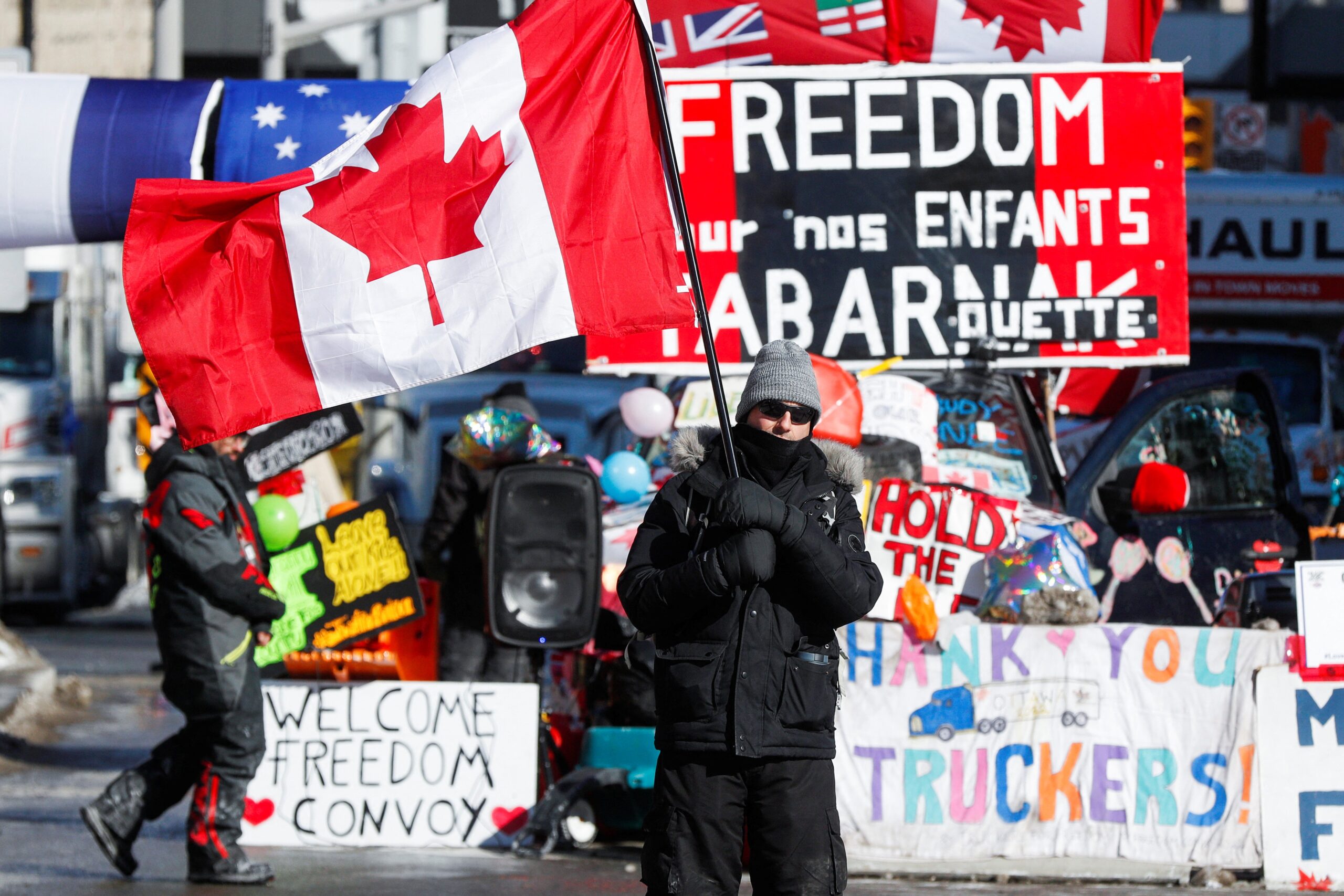
Whatever your opinion on all things to do with vaccines and mandates – no doubt, you, like all of us, have strong ones – we are all witnessing the same thing. Unrest. Why have so many Canadians been stirred to protest across our country? Many of us are throwing around the word “freedom” when asked what it is we seek. This word is sacred, but very few of us understand what it means, and its exegesis has filled volumes.
As long as we are breathing, we will never be completely free from all that tethers us to this world, to the society and time into which we were born. We are all wrestling with where the lines should be laid. Where does your freedom end and mine begin? This is the stuff of keyboard rage in all places online.
Freedom from government overreach, freedom from all viruses and from the people who carry them, freedom from coercion, freedom from isolation and loneliness, freedom to travel wherever we want, freedom to breathe freely in public spaces, none of these are promised to us here.
What is promised by God is freedom to pursue virtue. Despite it all. We Christians are a people set apart, and our joy must be scandalous and incomprehensible. Freedom, in the true sense of the word, means that we are unencumbered in reaching our highest potential. No government in the history of the world has succeeded in achieving this kind of freedom for its people.
But Christ bought it for us.
“Freedom is the power given by God to act or not to act, to do this or to do that, and so to perform deliberate actions on one’s own responsibility … The more one does what is good, the freer one becomes. Freedom attains its proper perfection when it is directed toward God, the highest good and our beatitude” (CCC 1730).
To embrace our calling as a people set apart means to do things in a way that is remarkably different from the culture. This includes nurturing humility and meekness in the face of mockery, name-calling, and sweeping dismissal of our values. We are called to return evil for good.
We are called to respect the sovereignty of God in all its forms. He has chosen our bishops for this time. He has allowed these particular government leaders to assume power. He has allowed this global situation to unfold.
When this particular trial is behind us, will we be able to say that we took every opportunity to suffer well and to grow in virtue in the meantime? Will we be able to say that we never stopped trusting in God’s plan? Surely the ride isn’t over. There will be other opportunities to trust in the face of staggering, tone-deaf elite power plays and fear-mongering.
When we pursue the freedom that comes from God, we are set free to ignite the world with hope. When we single-mindedly pursue a life of virtue, sin (disorder, compulsion) no longer controls our decisions and interior movements. Our freedom comes from a place that is emptied of ambition and the desire to be right. We are only free if a direct result of our freedom is that others are freer to do good because of it.







