
I think it goes without saying that most siblings compare themselves to each other, at least some of the time. While many compare their looks, abilities, talents, and personalities, they also compare the ways in which they are treated by their parents. Additionally, they often challenge anything which seems unfair to them.
As an oldest child, I would often remind my parents of the oatmeal I ate each morning, any time I watched my youngest brother practically inhale his sugary cereal. (In fairness, this was a “treat” for him, as well, but as a kid I felt that he received far more treats than I had).
My own children speak of such perceived injustices, as well. They often refer to rules which seem to bend a little easier for their youngest sibling. Similar stories can make us laugh because we have either experienced or witnessed something similar. Because of them, we can likewise relate to the Parable of the Landowner, heard on the 25th Sunday in Ordinary Time.
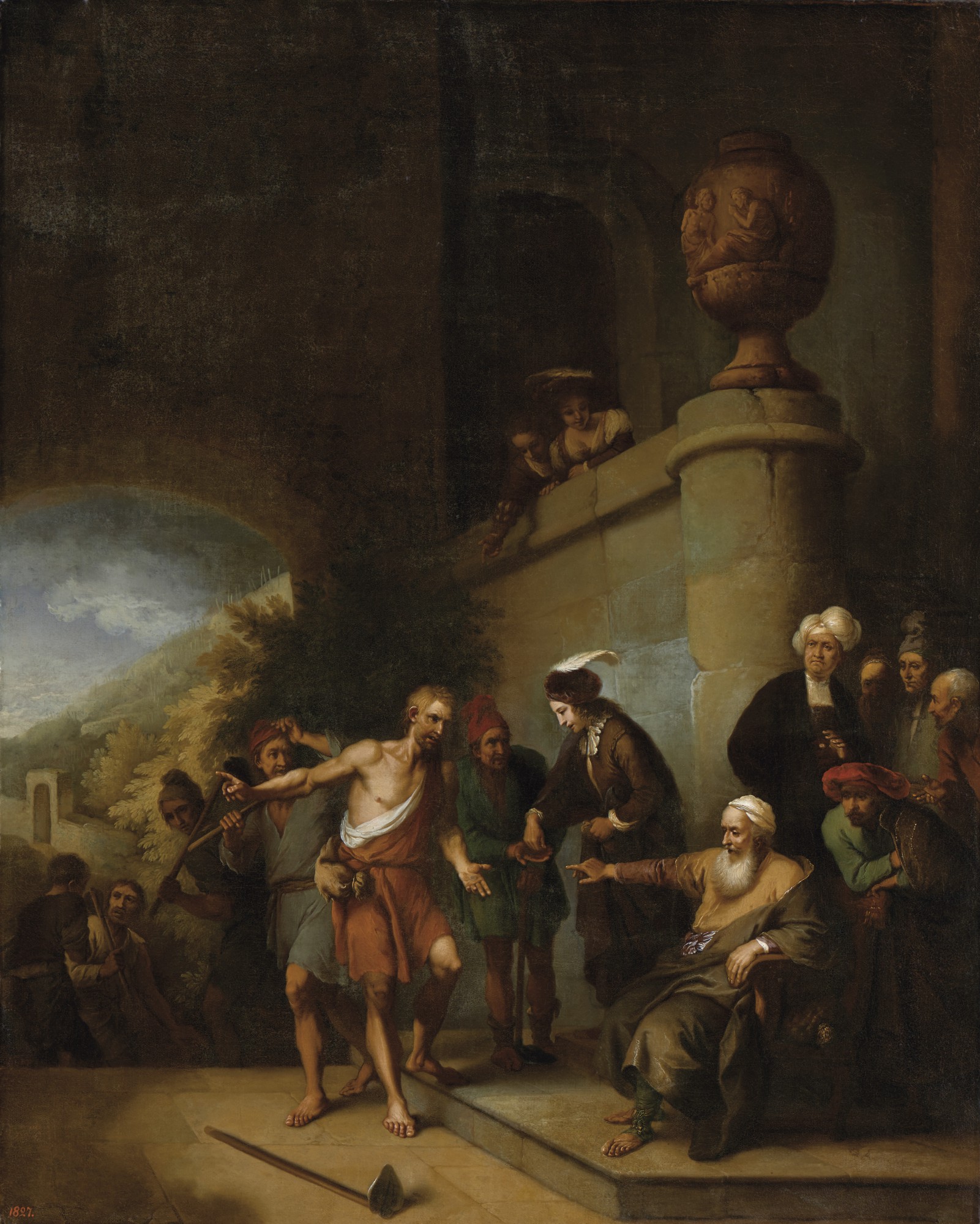
The Landowner tried to treat his vineyard workers well by offering them a fair wage. As the day went by, more workers were hired and paid the same wage as those who began working early in the morning. Like good parents who welcome new children to their families – whether through birth, adoption, or foster care – the landowner did not show favouritism toward anyone in his vineyard. Instead of receiving thanks, he was challenged and accused of cheating the first workers merely for offering the payment he had promised each of his workers.
As the oldest child in my family, I can completely understand how those who began work at dawn would feel mistreated when the latecomers were treated equally. There were times when I wished that I had been an only child because my brothers were taking so much of my parents’ time. I know I felt that I deserved more time because I had been in their lives the longest.
As a mother, I now hear the flip side of this perspective. Our youngest daughter mentions privileges and opportunities the older children had before she was even born. While it isn’t mentioned in the parable, perhaps those who arrived late to the vineyard also resented those who had been there longer, the wages they had already received, and the established relationship they enjoyed with their equal-opportunity employer.
Only the landowner could know the intricacies of his vineyard. Only a parent understands the needs of their children and their family. Only God can see the full picture and the hearts of each of his faithful servants.
As a parent, I attempt to treat my children fairly, and of course I falter at times. God, on the other hand, will never falter or abandon those who accept him and welcome him into their lives.
It is comforting to know that even those who receive the Gospel later than others are welcome to enjoy the full reward of the heavenly banquet. God’s gifts are freely given, as seen in the words of the landowner: “‘.. am I not free to do as I wish with my own money? Are you envious because I am generous?” (Mt. 20: 15)
None of us had a say in when we were born. Additionally, we don’t control the moment when we truly encounter God and enter a relationship with him. From the first, God has “want[ed] all people to be saved and to come to a knowledge of the truth” (1 Tim. 2:4). Wouldn’t it be awful to imagine those who lived before us wishing us a lesser place in heaven, just because they knew God first?
Gospel people are not envious, but seek to proclaim the Word and invite everyone they meet into the fold. In fact, I often learn the most from those who have found their faith most recently because of their appreciation and enthusiasm for the faith. Let us all work to live the faith and evangelize, not thinking only of ourselves but sharing the hope for salvation in our daily lives.
I love my children individually and differently, yet equally. My prayer is that regardless of how long they have known God, they will love and serve him, and one day receive the heavenly wages promised to them from the very beginning.