


Who else is sick of the mantra, “Be calm. Be safe. Be kind”?
Maybe it’s too simple and plain, maybe it’s too repeated, but it’s a lesson we may have missed in 2020. Like any student who has failed, we might need to re-take the course.
On New Years’ Eve it seemed everyone on my social media feeds was talking trash about 2020. The year frequently depicted as a dumpster fire was almost over, and a new year marked a fresh start, a clean break from the drama that has plagued us for the last 12 months. But was it, really?
People are still dying from the same viruses today as they were a couple of months ago. Our churches are still closed, social gatherings are still banned, and no one can open their email, watch the news, or text their friends without reading something about COVID-19. And while that virus has consumed much of what we talk about, the drama surrounding it is one symptom of many ills.
For all the ways you can say “we’re all in this together,” we’ve come out of 2020 still separated and bleeding. We’re still panicky and unkind when we talk about masks, vaccines, and politics (American or otherwise). We still face many unsafe and challenging situations in B.C.’s opioid crisis, assisted suicides of people who are not dying, and care homes and homeless shelters filled with lonely seniors – not to mention that ugly virus is still around.
Maybe the course material led us astray. Maybe staying calm, safe, and kind isn’t the key to healing what ails us.
Staying calm, safe, and kind does nothing to help the increasing number of people dying of drug overdoses in the Downtown Eastside. Last November, an average of 5.1 people in this province died every day of illicit drug use (most of them in Vancouver, Surrey, and Victoria). In 11 months, illicit drug deaths took the lives of 1,548 people in B.C.
(To compare, the confirmed deaths of COVID-19 in B.C. from January 2020 to today’s date, over 13 months, adds up to 1,269).
Reports are showing an increase of mental illness and addiction in 2020. A survey from the Canadian Mental Health Association revealed 40 per cent of Canadians are reporting deteriorating mental health due to the pandemic and 10 per cent had suicidal thoughts or feelings last fall.
Suicide is the ninth leading cause of death in Canada, with about 10 people taking their lives every day in this country. The number of people who had their doctors end their lives in Canada hit 5,631 in 2019.
While we’re looking at large numbers of deaths, cancer accounts for the deaths of about 30 per cent of Canadians (it’s the leading cause of death in our country). The Canadian Cancer Society estimated there were 225,800 new cases and 83,300 deaths from the disease in 2020.
Of course cancer, mental illness, and illicit drug use aren’t contagious like COVID-19 is, and bringing them up isn’t intended to downplay the real grief of families who have lost a loved one to this virus.
But if all we’ve learned from last year is “be kind, be calm, be safe,” we’ve missed the mark. Pandemic or not, that mantra won’t alleviate the pain of so many of our brothers and sisters – people who are also dying, who are also lonely, who are also scared of the future.
If we are willing to strap on silly-looking face coverings and put our vacations, friends, and freedoms on hold to prevent people from catching COVID, are we also willing to put them on hold for others?
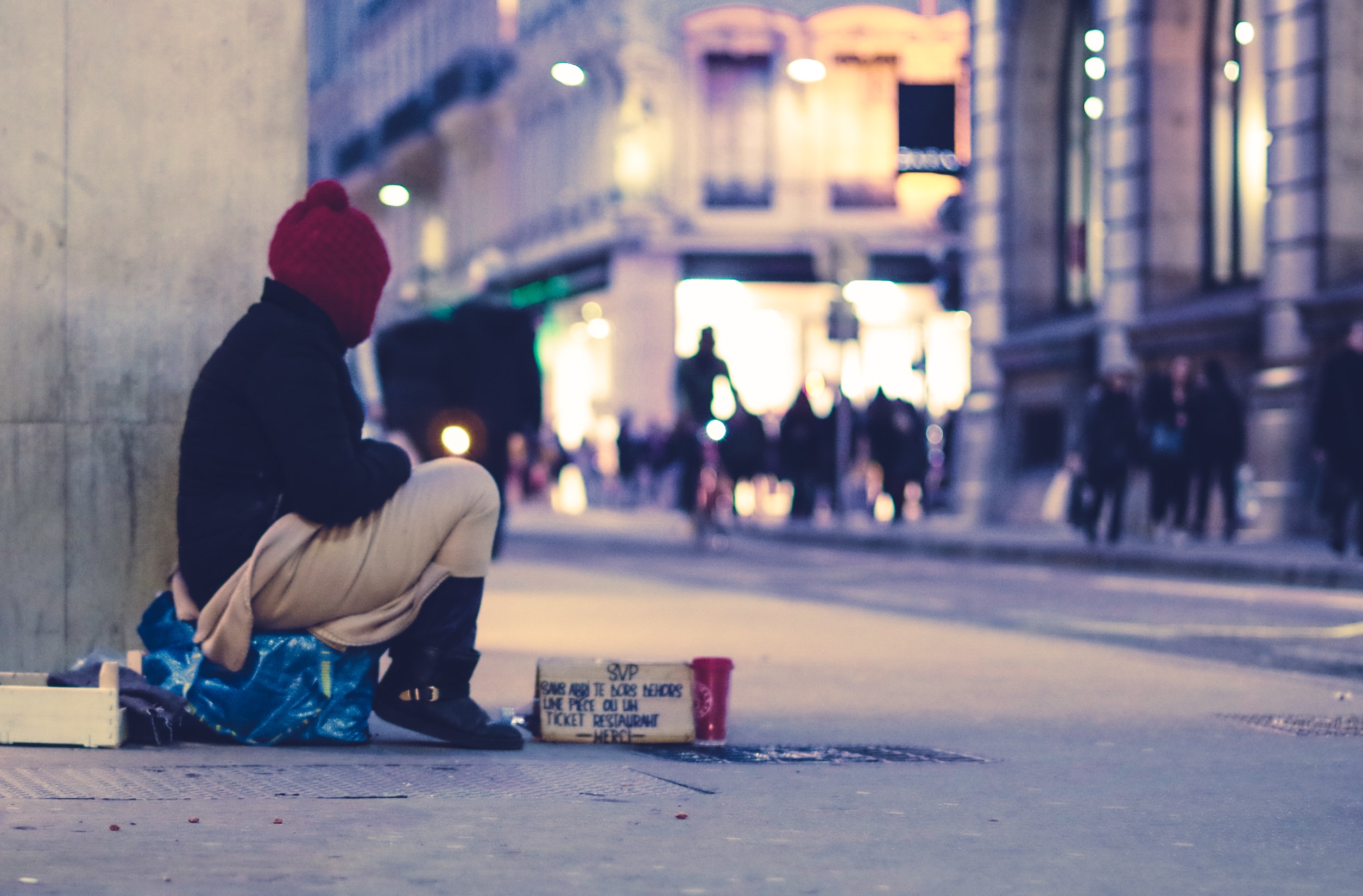
We all know someone facing serious illness, loss, or depression. We know where the homeless people in our neighbourhoods pitch their tents, and with a moment of thought we could probably name an acquaintance or charity on the brink of financial collapse. We all have a family member or friend whom we’d rather avoid because we don’t like their opinions or politics, losing out on building meaningful connections.
What are we willing to put on the line for them?
As we go through whatever 2021 throws at us and approach the season of Lent, I suggest a different motto from the book of the prophet Micah: “seek justice, love mercy, walk humbly with your God.”
Those actions might also require us to cancel plans, make personal sacrifices, or spend more time in prayer, but maybe they can fill in where mere kindness, safety, and calm have failed.







