

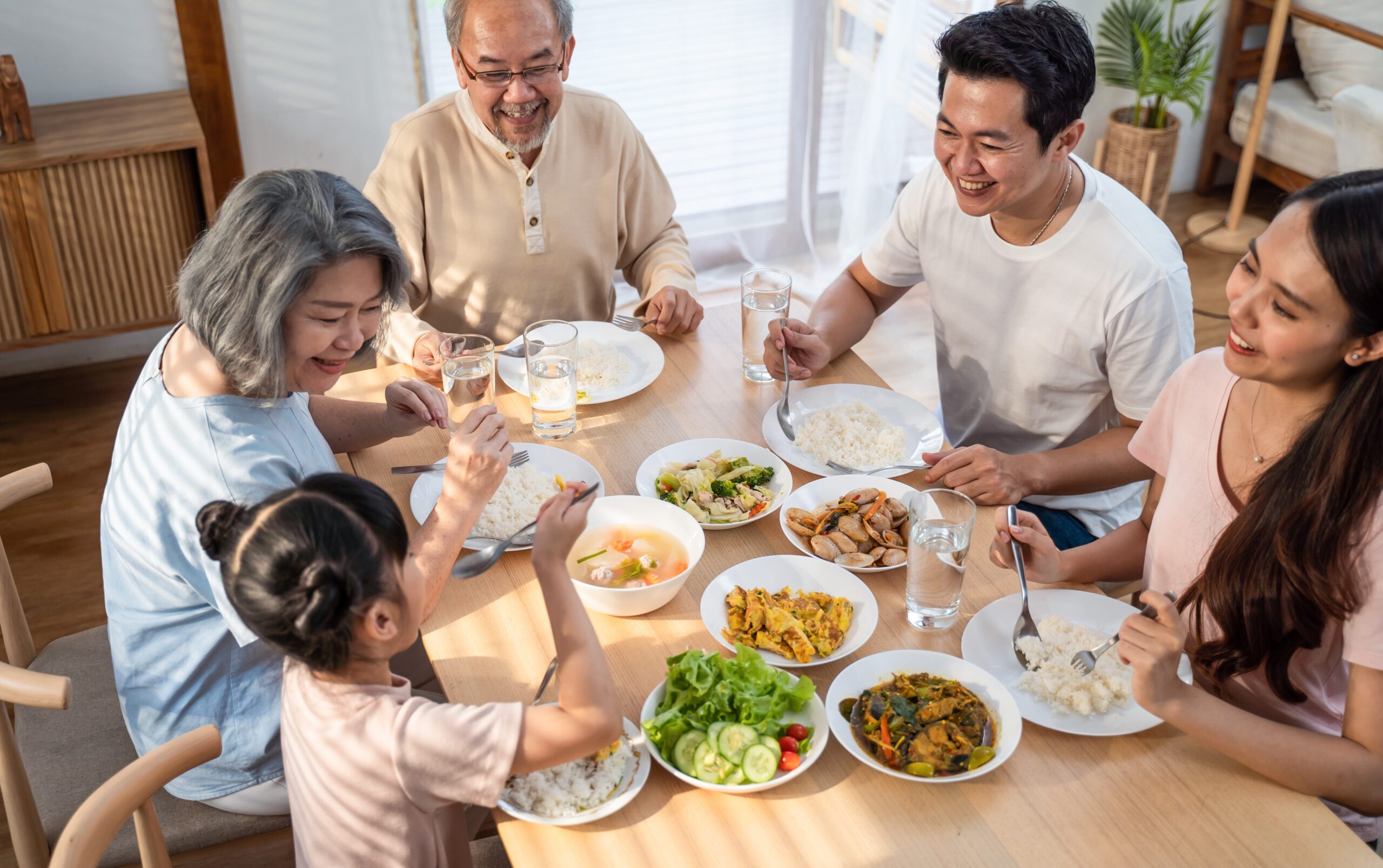

Recently, while joining my extended family for dinner, a dear friend commented on how beautifully the young people at the table engaged with everyone. “They listen; they are attentive,” she reflected. She asked my mom and I if we notice this or if we just take it for granted. Mom and I both realized that we probably take it for granted.
My friend, a retired teacher and current wellness coach, said that she enjoyed interacting with my four nieces (ranging from 8 to 19 years of age) and my own teenaged daughters. She noted that the girls all participated in the conversations, listened to everyone at the table, from my 82-year-old dad to the youngest niece, and seemed genuinely interested in each other’s answers. As a guest, she felt included; as an adult, she felt encouraged to see young people interacting so positively in a multi-aged setting.
Upon further discussion, she expanded on something else which had impressed her. Just as the dinner plates had been cleared and we were about to serve dessert (my niece had sliced some rhubarb squares and arranged them on a serving plate; I had sliced a chocolate cake; the plates and forks were ready to go), my brother and his oldest child arrived after work. Since they had not yet eaten, dinner plates were immediately arranged for them. Dessert was put on hold as we waited for them to finish their meal.
My friend was surprised that no words were exchanged in this sudden change of plans. Even the youngest child recognized that two people still needed to eat. Conversations ensued while the latecomers had their dinner. Then dessert was served and everyone sat around my parents’ dining room table to enjoy it together.
In honesty, I didn’t expect anything different from the children. It was an unwritten rule for each of them, raised by three different sets of parents but who share common grandparents. “They waited,” my friend exclaimed, “they have such a sense of other.” She complimented my parents on the children, wanting us to truly recognize the beauty that we take for granted.
My response was to say that we have always expected our children to join the family table. While at larger gatherings, “kids’ tables” crop up from time to time, but for the most part – from the time they were babies – my children, nieces and nephews have been included in multi-generational gatherings and conversations, on both sides of the family. The children have all been exposed to table manners. They have all had the opportunity to get to know their grandparents, their aunts and uncles, their cousins, and friends of all ages who have joined the table. No one begins eating before Grace is said. No one has dessert until all have finished their first course.
Even in my own home, we try our best to eat together as often as possible. This is growing more difficult as the children get older; however, we try to have a family meal at least once each week. After my friend’s comments, I now realize that even though we do not eat every meal together, my children have internalized some of the values they have learned around the family table.
Food should fuel our bodies and it should also feed our souls. The table is where we learn to appreciate the bounty of the earth, the skills of a cook, and the gift of community. Breaking bread together is one of the most intimate activities. We get to know one another around the table. We share stories. Even when conversations are difficult, we leave changed and ready to carry “table values” into the world. Thanks to my friend, I now realize that my children, having been nourished at many family tables, reap benefits which have shaped their characters for the better.
How fitting that our church calls us to the Eucharistic table! Christ’s Body, broken and shared, is more than just a symbol of nourishment. As we leave the Church’s feast, walking out into the world, we carry Christ within us. In his name, may we listen, converse, wait, and think of “the other.” May the values of the Eucharistic Table be apparent to everyone we meet.







