
A difficult decision for professional athletes will be choosing the right time to get married and begin a family. This, of course, applies to most of us in society, but the demands and relatively short duration of a pro athlete’s career magnifies the importance of the decision. Both men and women athletes need to consider the factors involved. Some recent retirements of top athletes provide an opportunity to consider different perspectives.
For male athletes, having children obviously doesn’t impact them physically or emotionally in the same way that it does females, but studies have repeatedly shown how significant the role of the father is in a child’s development. Therefore, if a man takes his role as a father seriously, he may need to make big changes. Absentee fatherhood is a significant factor in behavioural and mental issues with youth, so I believe that male professional athletes have to be present in their children’s lives a lot. They will have to compromise somewhere to at least strike a balance; the problem is that compromise and balance are two things that top athletes are not accustomed to doing with their training and daily regimens.
I personally found I had to limit my number of competitions and hours of training when we had children. For the record, I had no problem doing this because experiencing the joys (and challenges) of parenting is far superior to anything I experienced in sports.
Of course, it can be done: if you look at the recently retired tennis champion Roger Federer, who is Catholic. It appears, on the surface at least, that he has done a good job of supporting his wife, Mirka, in the raising of their four children. Federer did not play the 2021 Australian Open in part due to COVID regulations that required the family being quarantined in the hotel room. Since this would not realistically work for his family, the only other option would be to go alone. He stated, “I have four kids, and I am no longer willing to spend five weeks away from my family.”
Former National Football League quarterback Philip Rivers and his wife Tiffany are devout Catholics who have nine children. Later in his career, River purchased an SUV that he had designed to allow him to watch film while the driver he hired drove him to the practice facility. This allowed him to get home to the family sooner.
These are just a couple of examples that male athletes with children need to make. It is important for fathers to think of their family first, including when their wives are close to giving birth. In my opinion, it only makes sense that a father should be given time to be with his wife for the birth of all their children since this event is far more important in the grand scheme of things. I am always heartened to hear of fathers such as Major League Baseball superstar Mike Trout of the Los Angeles Angels taking time away from the game to do this even in the face of criticism for the time he takes on charitable and family priorities.
Female athletes clearly have an even bigger decision to make when it comes to family. Because childbirth affects their physical conditioning, they need more time to recover to their previous form – assuming they want to come back at all.
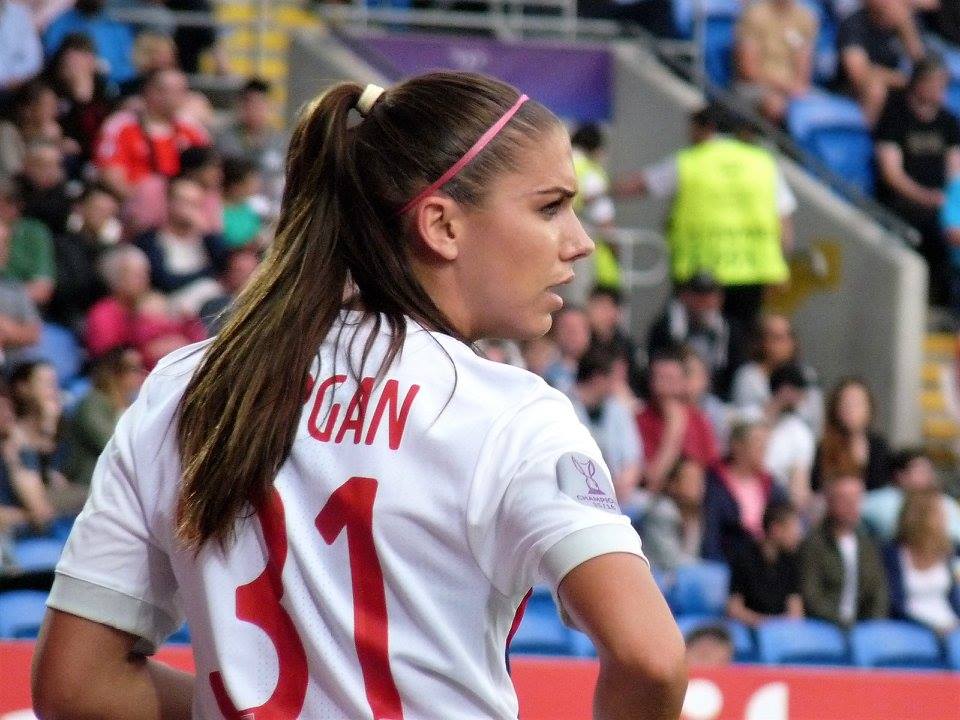
Over the years, many women have successfully returned to their sport after giving birth. These include American soccer player Alex Morgan; Olympic swimmer Dara Torres; and Candace Parker, formerly a Women’s National Basketball Association rookie of the year.
How well a mother can perform after her return varies from athlete to athlete. In tennis, the all-time greatest Grand Slam champion Margaret Court, who eventually became a Christian minister, took a year off before having each of her first two children (she ultimately had two more). When she returned to action, she appeared not to lose a step.
Second to Court in all time Grand Slam singles titles is Serena Williams. Arguably, she has not performed as well since giving birth to her daughter. But considering her priorities, who’s to criticize?
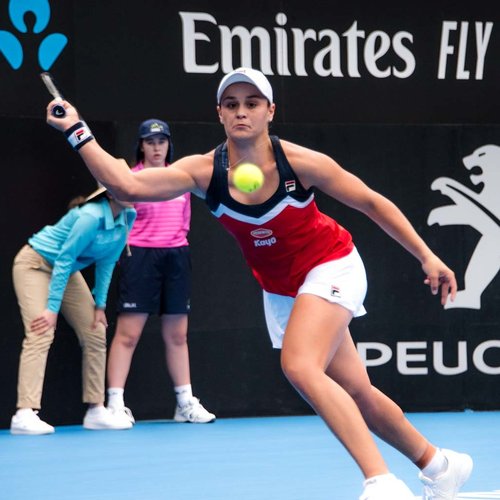
Of course, stepping away from the sport you love and retiring is difficult, but some women see family as more important. Earlier this year, Ashleigh Barty had just won the Australian Open Grand Slam tennis title, and she was ranked number 1 in the world. One month later, she retired at age 25 to focus on her upcoming marriage and spend time with family. This was no doubt a huge decision that required courage. If we as Catholics faced this decision it would require much prayer and spiritual direction. To Barty, clearly, family is a bigger priority than victories.
It is important to appreciate in this discussion how obviously beautiful motherhood is and the impact it has on the world around you. my late mother Maureen enjoyed being a good athlete, but she embraced being a mom and had no regrets stepping away from sports to have a big family.
World-class female athletes often say they want to inspire young girls to follow their dreams; those dreams can be as an athlete and/or as a mother.
There are three messages it is important for us as Catholic parents to share with our children who are aspiring athletes. First, that being an accomplished competitive athlete is a great goal to strive for, since sports can “cultivate virtue which provides a gateway for athletes to seek a life of holiness with God” (while strengthening our body, which is the temple of the Holy Spirit) [National Catholic Register]. Second, that marriage and parenthood is an even higher calling, which can bring the man and woman more in union with our Lord. And third, when it comes to having children, both men and women need to work together, and both need to make sacrifices.