
One of the pastimes I have rediscovered during this pandemic is gardening. When we first moved to our house, I enjoyed working in the yard and creating new flowerbeds. Fresh air, the smell of the dirt, and the satisfied feeling of stiff muscles after a day of outside work took me back to my youth and life on a farm. I loved watching plants bloom, and, most of all, I treasured the prayerful retreat gardening provided for me.
Sadly, over the past few years, my experience with gardening has not been as charming as what I have just described. Due to our hectic lifestyle, the “retreat” aspects of my gardening experiences practically vanished. What had once been a life-giving hobby for me was reduced to an onerous war between myself and the weeds.
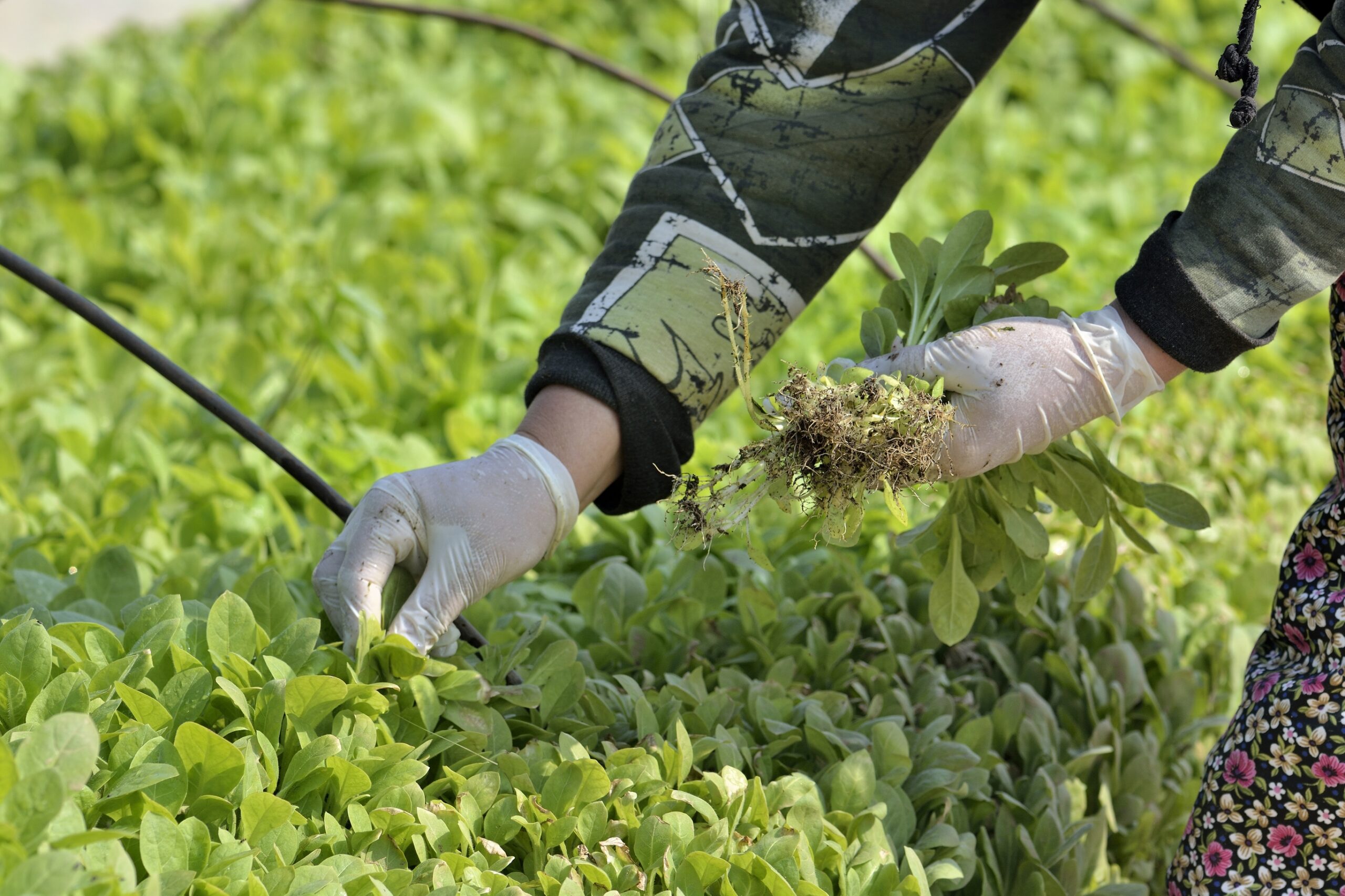
My long-neglected flowerbeds have received far more attention this year than in past years. As I work the soil and attempt to stay ahead of weed growth, I am afforded many opportunities to think and to pray for guidance along my journey.
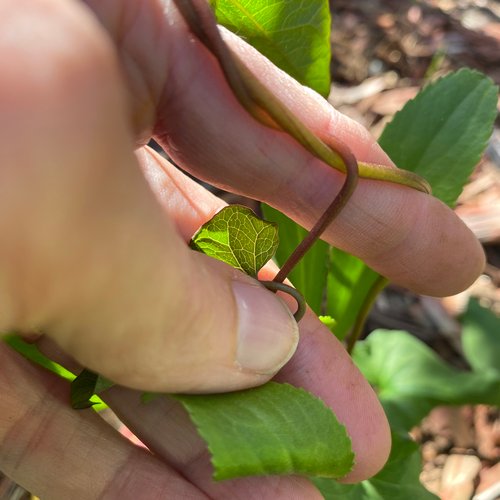
Lately, I have been protecting my lilacs and hydrangeas from the wrath of bindweed. Initially, when these plants began to grow along my back fence, I thought I had inherited a pretty plant from a backyard neighbour. Their white blossoms looked nice against my grey fence until I realized, in horror, that their vines spread widely to slowly twine around and choke out my favourite plants.
Resembling morning glories, bindweed flowers look very pretty, and their thin, shallow roots are easy to yank out of the ground; yet, I must be very cautious not to rip them too abruptly, for if I pull too hard on the vines that wrap their way around my other plants, they cause irreparable damage.
As I garden, I cannot help but think of Jesus’ parables and the comparisons he drew between plants and people. He illustrated points by likening weeds to the evil in the world, even stating, “if you pull up the weeds you might uproot the wheat along with them” (Mt 13:29).
Bindweed reminds me of the people that hurt us. They may seem appealing at first glance, but over time we realize that they have gained their appearances by using others. They climb to the top of the “fence,” attracting attention and praise with their outward gifts, while choking sustainability out of, and even uprooting, those sharing life’s garden with them. They are shallow; their damage and proliferation, widespread.
As the parable reminds us, the rash removal of weeds will also ruin good plants. Therefore, “COVID gardening” has been therapeutic for me. I now have time to carefully untwine the invasive plants to lovingly care for the others. I likewise have time to focus on past hurts in my own life, to make a concerted effort to pray for those who have hurt me, and to pray for those I myself have hurt.
At the beginning of May, I prayed an online Novena to Mary, Undoer of Knots (through PrayMoreNovenas.com). In one of the daily prayers, creators John-Paul and Annie Deddens shared this prayer, “Mary, Mother to whom God entrusted the undoing of the knots in the lives of His children, I entrust into Your hands, the ribbon of my life. No one, not even the evil one himself, can take it away from Your precious care. In Your hands there is no knot that cannot be undone.”
I love the image of Mary untying the various knots in our lives and in the world. I picture her capable hands untying conflicts, undoing worries, massaging knots of tension, and then gently smoothing out the creases where these knots once existed in our hearts.
Pulling at the flimsy, tangling vines of bindweed has blessed me with a tangible reminder to pray for the victimized, to ask for forgiveness, and to gently untie any knots within my control. I am reminded to pray for those who, in their own suffering, build themselves up by hurting others. Furthermore, for the knots of pain in my heart too difficult to undo, I am reminded to turn to Mary, “whose hands never cease to serve [her] beloved children.”
Mary, Undoer of Knots, pray for us.