


4th Sunday of Lent, Year A
First Reading: 1 Sam 16:1b, 6-7, 10-13
Second Reading: Eph 5:8-14
Gospel Reading: Jn 9:1-41
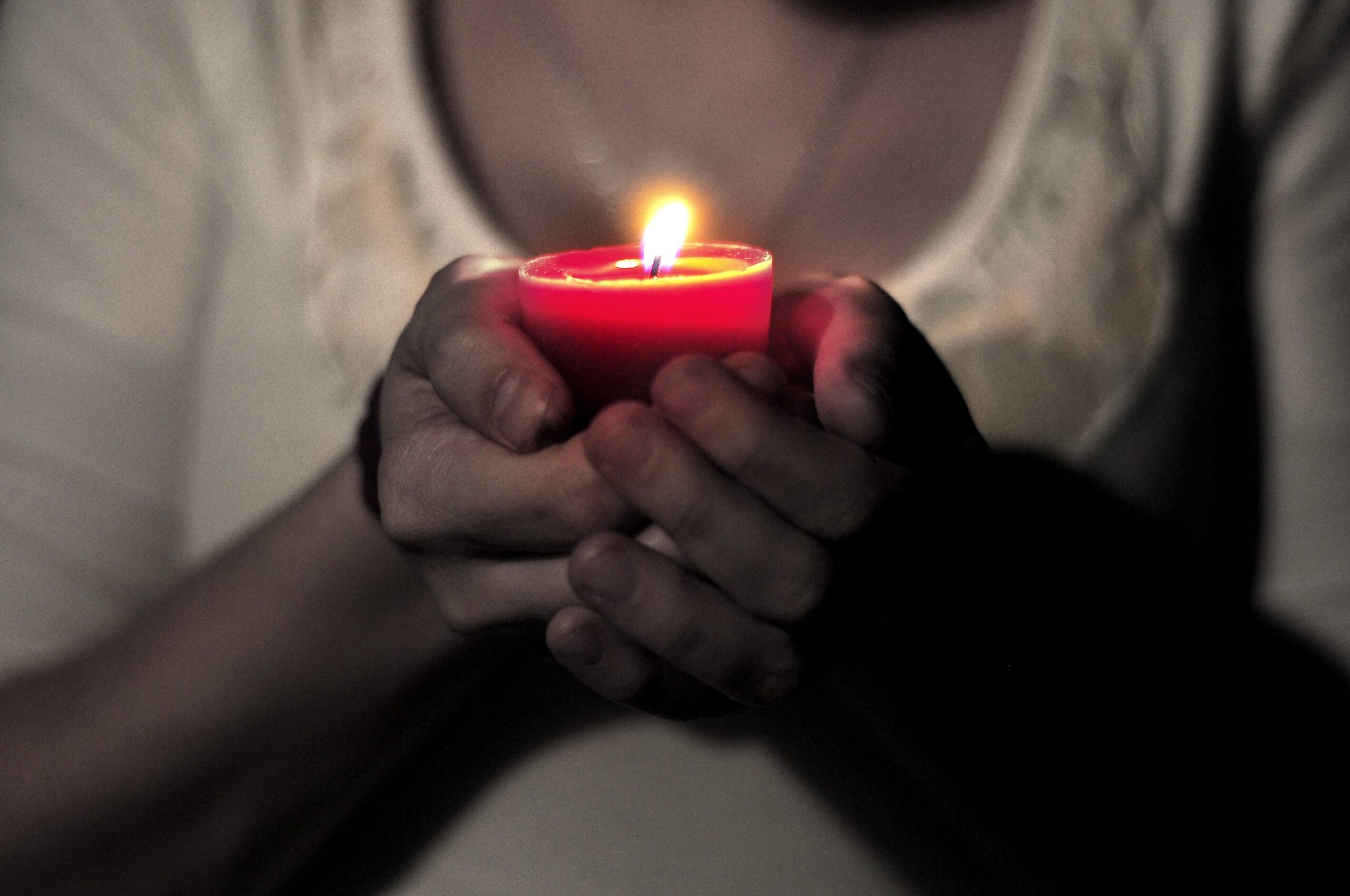
This Sunday’s Readings focus on light and vision.
“I am the light of the world,” Jesus says before healing a blind man. “Once you were darkness, but now in the Lord you are light,” St. Paul says. “The Lord does not see as mortals see,” God tells Samuel.
Light is what we see by. “I see” means “I know” or “I understand.” We speak of “shedding light” on a subject or approaching it “in light of” our knowledge.
The Catechism of the Catholic Church speaks of “light” almost 100 times, the Bible more than 250 times.
“God is light,” St. John says. “Christ is the light of humanity,” says Vatican II. Light is an image of the Holy Spirit, says the Catechism. We participate in his “light and power” when we use our reason to discern “the order of things established by the Creator.”
Everything “reflects in its own way a ray of God’s infinite wisdom and goodness,” the Catechism says. “From the greatness and beauty of created things comes a corresponding perception of their Creator.” Scientific research, which studies the relationships among created things, is “a significant expression of man’s dominion over creation.”
Because scientific knowledge can be, and has been, misused, some people have come to regard it as opposed to faith and trust in God. For example, a couple told me they had learned natural family planning, but were trying to ignore the obvious signs of fertility because they had decided to “leave it to God.”
To me, this seems like closing your eyes when you approach a traffic light, “leaving it to God” to determine what happens. It reminds me of the man who refused to be rescued from a flood because he was “trusting in God.”
It is true that ignorance gives occasion for faith and trust; we say “I believe” or “I trust” only if we do not have actual knowledge. Nevertheless, God does not want us to be ignorant: he wants us to collaborate with him in full knowledge of his ways.
“I no longer speak of you as slaves, for a slave does not know what his master is about,” Christ told his apostles. “Instead, I call you friends, since I have made known to you all that I heard from my Father.”
Eventually, St. Paul says, we shall know even as we are known. As we sing in the hymn, “all darkness will be ended, as faith gives place to sight.” Meanwhile, in the Liturgy of the Hours, the Church prays, “May our faith prove we are not slaves, but sons,” not so much “subjected” to God’s law as “sharing” his “power.”
“It would be a strange God who could be loved better by being known less,” says author Frank Sheed. Love is more important than knowledge, but “sight helps love,” he says. “Each new thing known about God is a new reason for loving him.”
However, we must recognize our limitations. We find it difficult to know God “by the light of reason alone,” says the Catechism. We must be “enlightened by God’s revelation,” not only about things we cannot understand, but also about truths that are within “the grasp of human reason.”
Accordingly, we call God’s word “a lamp” for our feet and “a light” for our path. We trust the Church, from which Christ’s light shines out. “The Church is like the moon,” says the Catechism, “all its light reflected from the sun.”
We cannot see light itself; light is that by which we see everything else. But in God’s light, “we see light itself,” the psalmist says.
“He who was before the daystar and before the heavenly bodies, immortal and vast, the great Christ, shines over all beings more brightly than the sun,” says the Catechism. “A day of long, eternal light is ushered in for us who believe in him, a day which is never blotted out.”







