

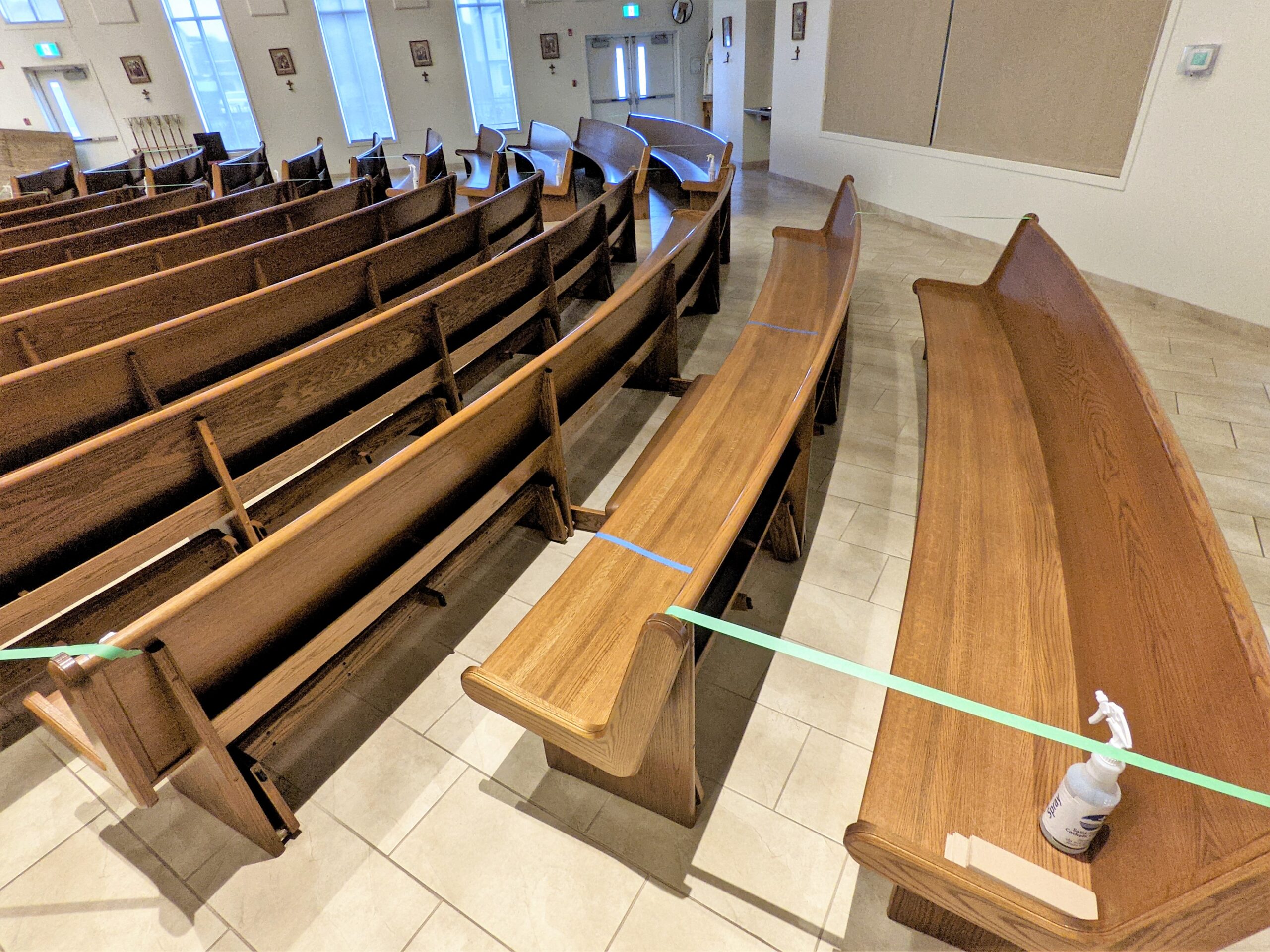

More than a few people have facetiously suggested the archdiocese should convert its churches into pubs, since restaurants, bars, and the like are open for business while houses of worship are closed by government order.
Except it’s not a joke now. A Vancouver movie theatre, shuttered for as long as churches have been, came up with the novel idea of rebranding itself … as a sports bar. The provincial government says it will likely green light the change.
Such is the bizarre nature of pandemic-era British Columbia, with Victoria yet to explain why churches and theatres are in a higher risk category than bars, restaurants, and big box stores.
It all raises an uncomfortable question: does the government know what it’s doing or not? Either answer is disconcerting.
Premier John Horgan’s NDP government has had nearly a year to devise a coherent COVID strategy. As of today, it’s impossible to say whether the government is doing a good job, since the goalposts keep moving and there’s no obvious target. There’s also no end in sight.
Horgan, Bonnie Henry, and Adrian Dix have been given a lot of latitude for making mistakes while trying to figure things out most of the year. The learning curve was steep.
When church closings raised a lot of eyebrows, officials still received a lot of benefit of the doubt.
But to this day the government, while focusing on positive test results and imposing restrictions, neglects the primary health-related issue: the appalling treatment of the elderly in long-term care.
An Angus Reid poll said the one thing most people look forward to after the pandemic is to be able to hug their loved ones again. Now consider last year’s report from the B.C. Seniors Advocate, which found long-term care residents who would rather die from the pandemic than continue to be isolated from their loved ones.
I heard someone talking about what COVID lockdowns have done to his aging parents. It practically brought tears to my eyes. His mother and father hadn’t been apart in 50 years of marriage, but Dad is now in long-term care suffering from dementia while Mom, his primary caregiver, has been separated from him since the start of the pandemic. They’re both going through hell.
Stories like this abound, with British Columbians unable to visit dying relatives in their final days.
The seniors advocate asked people if they had removed their loved ones from long-term care and assisted living. In long-term care, five per cent had. In assisted living, 20 per cent had brought their loved ones home.
I had hoped Isobel Mackenzie’s report might encourage more adults to rethink the need to put the elderly in homes. Unfortunately the report landed with a thud, causing barely a ripple of news 24 hours after its release.
Instead of acting on the report and looking for ways to bring families together, or to expand palliative and hospice care for those who remain in care, the government is doing the opposite. It’s eliminating a hospice in Delta because officials won’t let residents be euthanized onsite. Meanwhile I’m hearing of sick people in hospital feeling pressured to end their lives as information about the availability of assisted suicide is pushed on them.
On government websites there’s an abundance of information and statistics about COVID positive test results, but the latest numbers on assisted suicide are nowhere to be found. (The Island Health website’s list of resources even includes a link to the pro-euthanasia group Dying with Dignity.)
Then on Thursday CTV News reported the B.C. health ministry quietly commissioned a report last summer on the deadly impact of COVID-19 on care homes. The final document is in the government’s hands but hasn’t been released, a ministry spokesperson saying it was just a “minor report.”
What an interesting choice of words. A “minor amendment” is how B.C.’s College of Physicians and Surgeons described an update to its euthanasia guidelines last year, reducing restrictions and clarifying that doctors with patients who want euthanasia can assess them by video telemedicine.
People say COVID is changing how we think about the elderly and end-of-life care, but I’m not buying it anymore. Every indication is that those nearing the end of their lives are as disposable as they ever were.
I’m betting once the government vaccinates everyone it wants to and the pandemic is over, the elderly will still be dying at horrific rates due to negligence.







