

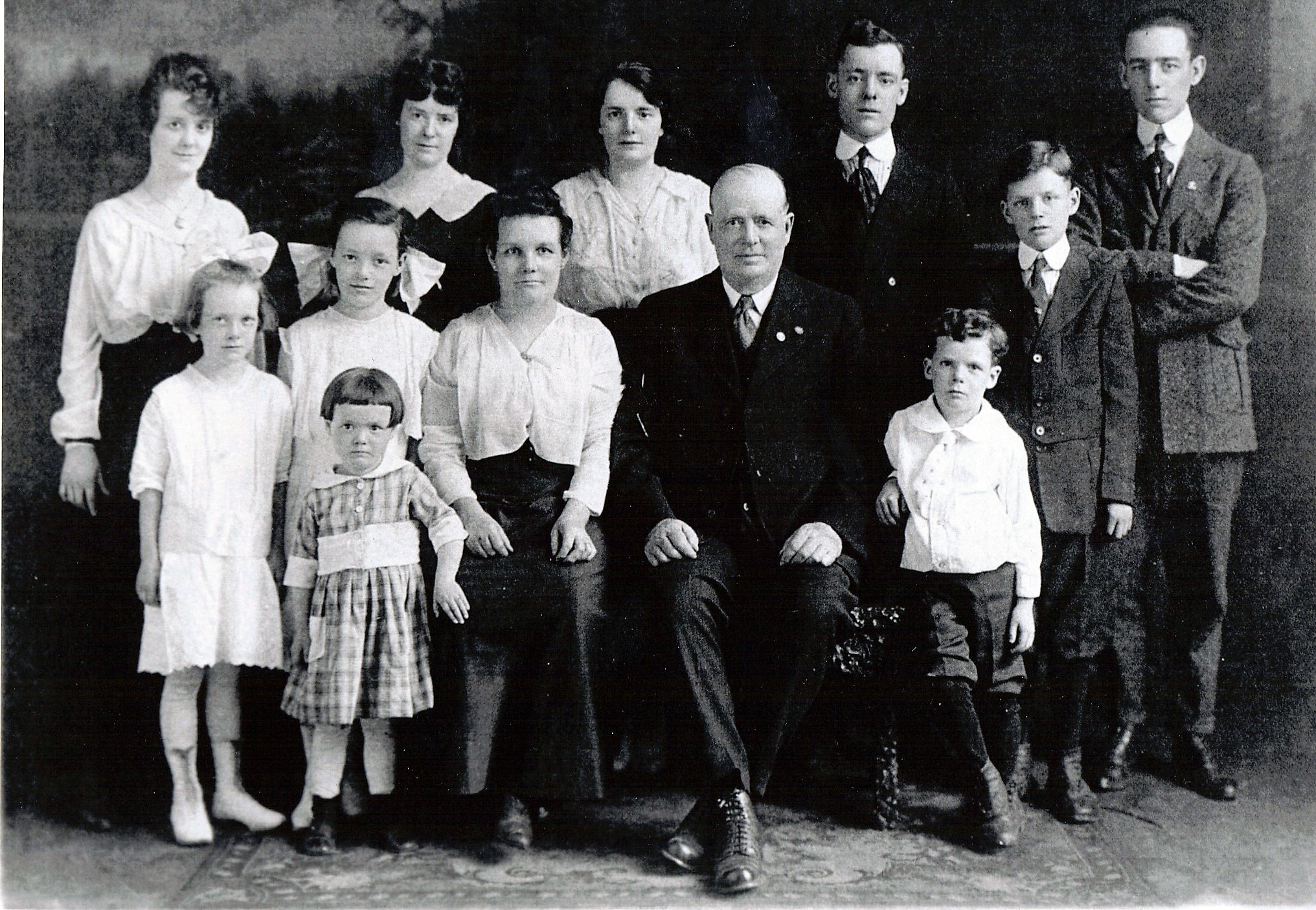

My great-great-great-grandparents were named Adam and Eva.
Like, for real.
Many people are unmoved when I share this with them, but I think it is a noteworthy event that I can literally trace Adam and Eve to only a handful of generations away.
They lived in Russia in the 1800s after their ancestors fled Germany. As Catholics, they were persecuted, imprisoned, and killed in Germany. From Russia, this family line came to North Dakota and eventually into Canada. And here I am, and my children are, because of it.
I love looking at the names of my ancestors because they have always felt so unreal to me: Ignatius, Katerina, Adelaide, Margaretha, Magdalena. Their names are something real that brings them to life in a small way.
I did not meet my grandparents, and did not get to know my own father, who died when I was eight months old. My ancestors are so very abstract to me that it’s unusual for me to even consider them.
I do remember once standing over my father’s grave when it suddenly occurred to me that his bones, his actual physical bones, were only a few feet beneath me – proof that he existed. The one person I most missed meeting, so untouchably distant from me, and yet the relics of his humanity were almost in reach. I had a strange shock go through me and a stranger desire to look for a shovel.
I’ve heard it is a postmodern symptom that we think little of those from whom we came. We are disconnected from the world and lives of the people who made our existence possible.
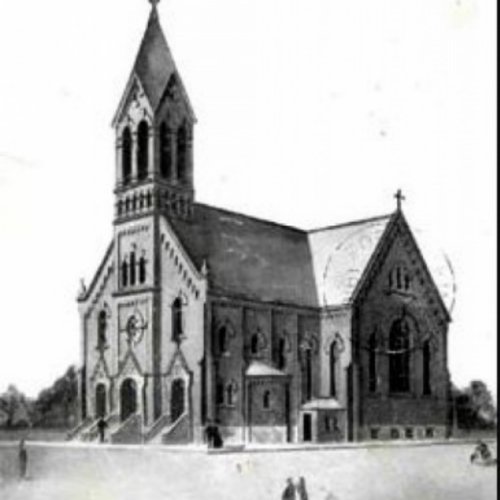
Maybe many of us would rather post filtered selfies than look at old black-and-white unsmiling pictures of unknown relatives and wonder about them. What life did they live? Were they brave, hungry, outspoken, political, generous? What were their dreams, their favourite colours, hobbies, books? Did they have happiness and know the love of God? Could any of them have been martyrs and saints? These real people, whose blood I share, really and truly walked on this earth and lived a life like no others. A part of that story belongs to me, and I feel a desire to read it.
For Catholic believers, I think the mystical truth of the soul makes this pondering a little more meaningful. My ancestors are gone, and yet they still are. They are abstract to me, but in fact they have been made more real than I am (assuming they are in heaven). All of those mysterious faces in the black and white photos had souls, for good or for evil, and those souls still live.
St. Paul writes that we are surrounded by a great cloud of witnesses, the saved souls who came before us. Our ancestors are (hopefully) in that cloud! And they watch and pray for us throughout all eternity. And if they are not yet in the cloud but are still being made ready for it, then not only do they still pray for us, but they ask us for our prayers. We cannot pray for those we forget to remember.
November is the month of All Souls. Catholics have a belief, an obligation, and an opportunity to reminisce, to remember the stories and lives of family members who, however abstract, watch, wait, and pray with and for us. What a gift and opportunity to claim a holy bond by praying for those in the cleansing fires and asking for prayer from family members who really and truly stand before the face of God!
If you have photos of deceased family members, place them in view and let your children light a candle for them. If you have graveyards nearby, walk over the bones of bodies who lie in wait for the great resurrection of the dead, and remember your own mortality, your own need for salvation, and the great gift of grace offered to you.
Pray for your unknown family members and ask them to pray for you. Maybe they will start to feel a little less unknown, and maybe, one day, these very same distant, unknown ancestors, with stories, dreams, hopes, vices, and virtues of their own, will greet you at the doors of paradise and tell you how these prayers brought you to each other sooner.
Like, for real.







