

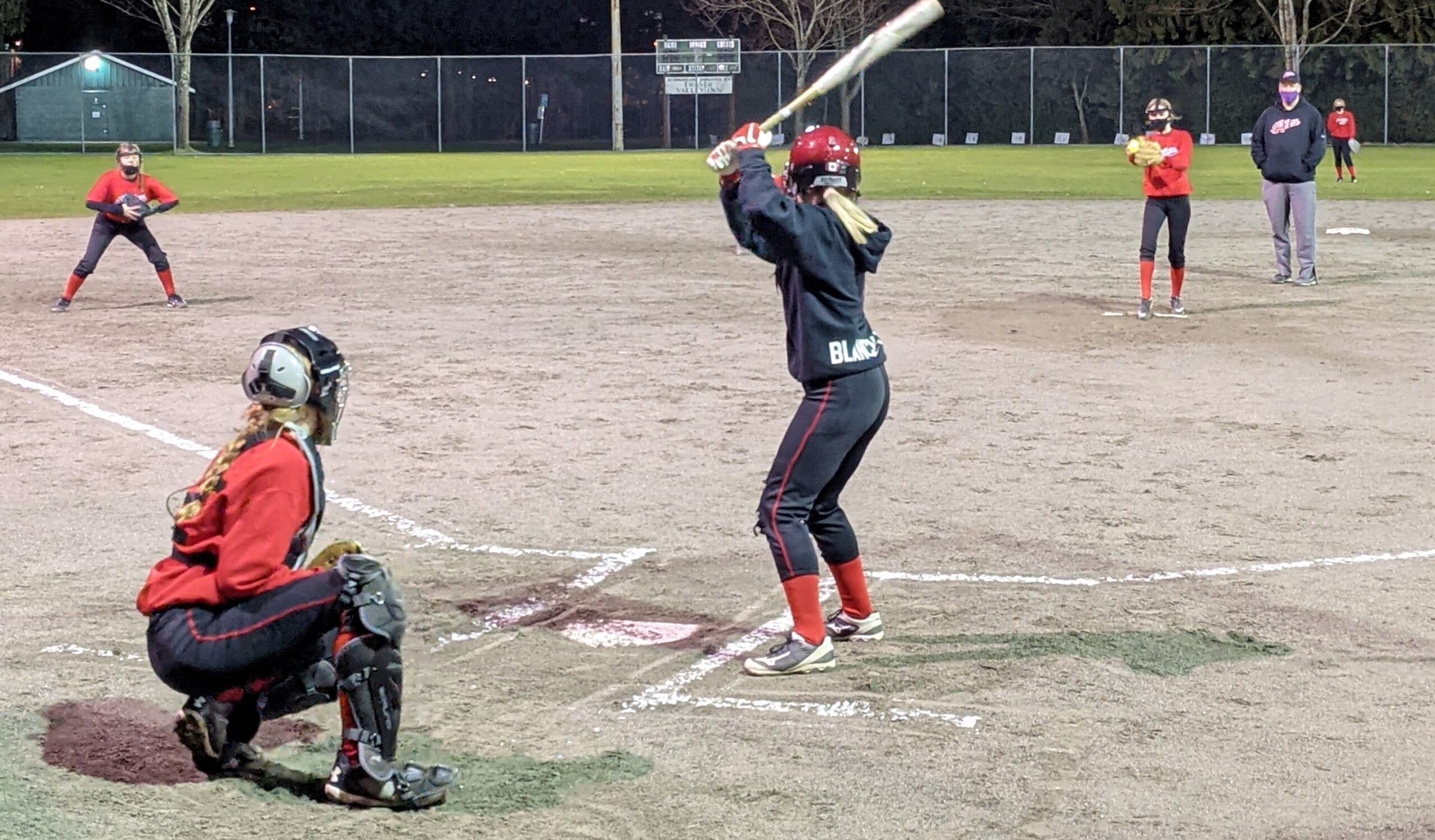

I crashed a softball game the other night, along with some other illegal spectators.
The game was underway and an elderly man and woman, fully masked, were seated in the stands taking in the action. Suddenly a representative of one of the teams approached them and sheepishly told them they weren’t allowed to be there – COVID regulations and all.
The couple were naturally perplexed since they were probably 10 metres and one chain-link fence behind the third-base line. The nearest player, also masked, was perhaps 30 metres away.
Things got more bizarre when the team rep offered the couple a workaround. It seems the government allows teams to have a limited number of “volunteers” at games. While the couple was being offered an opportunity to do something – I don’t know what, maybe sanitizing the benches – I got out of there.
The point is, a year ago no one would have predicted you wouldn’t be able to watch an outdoor ballgame from the distance of a basketball court. We were merely being asked to tolerate a short period of inconvenience to flatten the curve for a relatively mild virus that 99 per cent of people survive and 80 per cent of people never know they’ve got.
But, as the saying goes, if the frog knew the temperature was rising, he’d have leaped out of the pot much earlier.
No need to review all the restrictions we’ve endured since then. The Justice Centre for Constitutional Freedoms does an excellent job in this report, entitled Flying Blind.
One minute we were asked to “flatten the curve,” and then we had to “reduce the spread.”
Before long we were prevented from visiting loved ones, church worship was banned, hundreds of thousands of businesses were closed, millions of people were put out of work, and hundreds of thousands of surgeries were cancelled. Many more medical treatments were delayed, which conservative estimates suggest will lead to tens of thousands of premature deaths.
Canadians are suffering from depression, substance abuse, family violence, and a host of other psychological toxins from the isolation and restrictions of the past year.
People have taken to voluntarily wearing facemasks while alone outdoors and are eagerly supporting vaccine passports. The media and the public are trying to outdo each other in pushing government to enact even more severe measures.
This is how frogs boil to death. We have a very short memory when it comes to the loss of our freedoms. It starts with an abortion law being overturned because of a limited constitutional contravention, and within a few years abortion is being misrepresented as a constitutional right that must be paid for by taxpayers for any reason.
The same scenario unfolded with the introduction of euthanasia, or “medical assistance in dying.” Proponents promised it would only apply in cases of extreme suffering. Before the ink on the legislation was dry it was being condemned as discriminatory toward those who were ineligible. Now we’re going to allow children and those with mental illnesses to request lethal injections.
All of this is why we shouldn’t feel reassured by the Trudeau government’s promise that there’s nothing to worry about in its Bill C-10, An Act to Amend the Broadcasting Act.
The government introduced the legislation in Parliament last year so it could regulate internet audio/video content. Conservative-leaning Canadians expressed alarm at the bill, but the media largely ignored it – although the CBC seemed excited that the bill would “require broadcasters to fund Indigenous productions and also provide content in Indigenous languages.”
As if YouTube is having any difficult regulating itself, the government thinks another level of governance is needed. Which raises the obvious question: how long will it be before the Archdiocese of Vancouver’s YouTube channel crosses paths with the government content regulator?
There’s no doubt it’s only a matter of time before our content attracts the attention of the government’s speech czar. Whether it’s a video about Courage that’s deemed to be hate speech, a pro-life video that gets banned for misinformation, or Father Hawkswell’s catechism series being called religious extremism, prepare yourself for the shape of things to come.
Be ready as well for the platitudes about “unwarranted fearmongering,” assurances that Bill C-10 will only apply to certain rare cases, and shibboleths about conspiracy theories over government censorship.
By the way, the federal government has also expressed interested in regulating what Canadians post on social media. Facebook and the NDP fully support the idea. So what could go wrong?
Email: pschratz@rcav.org
Twitter: @paulschratz







