


So here we are – not only in the midst of an epidemic which requires us to stay in isolation, but also in the midst of the annual movie awards ceremonies.
Since we are unable to go to a theatre to watch the films that are in contention, we have to resort to streaming services if we wish to see the most publicized releases.
While services such as Netflix and Prime offer for the monthly rental a daunting array of choices, it is also possible to download individual titles offered by one’s online company. However, a word of caution is necessary here, as downloading a single title can cost as much as $25.
Of course, if one is viewing the film with others, this works out to less than a cost of two theatre tickets, without the additional costs of transport, concession stand, and parking. However, if, like me, you are watching alone, then one may well hesitate before downloading a movie, no matter how much one wants to see a film which may well be an Oscar winner.
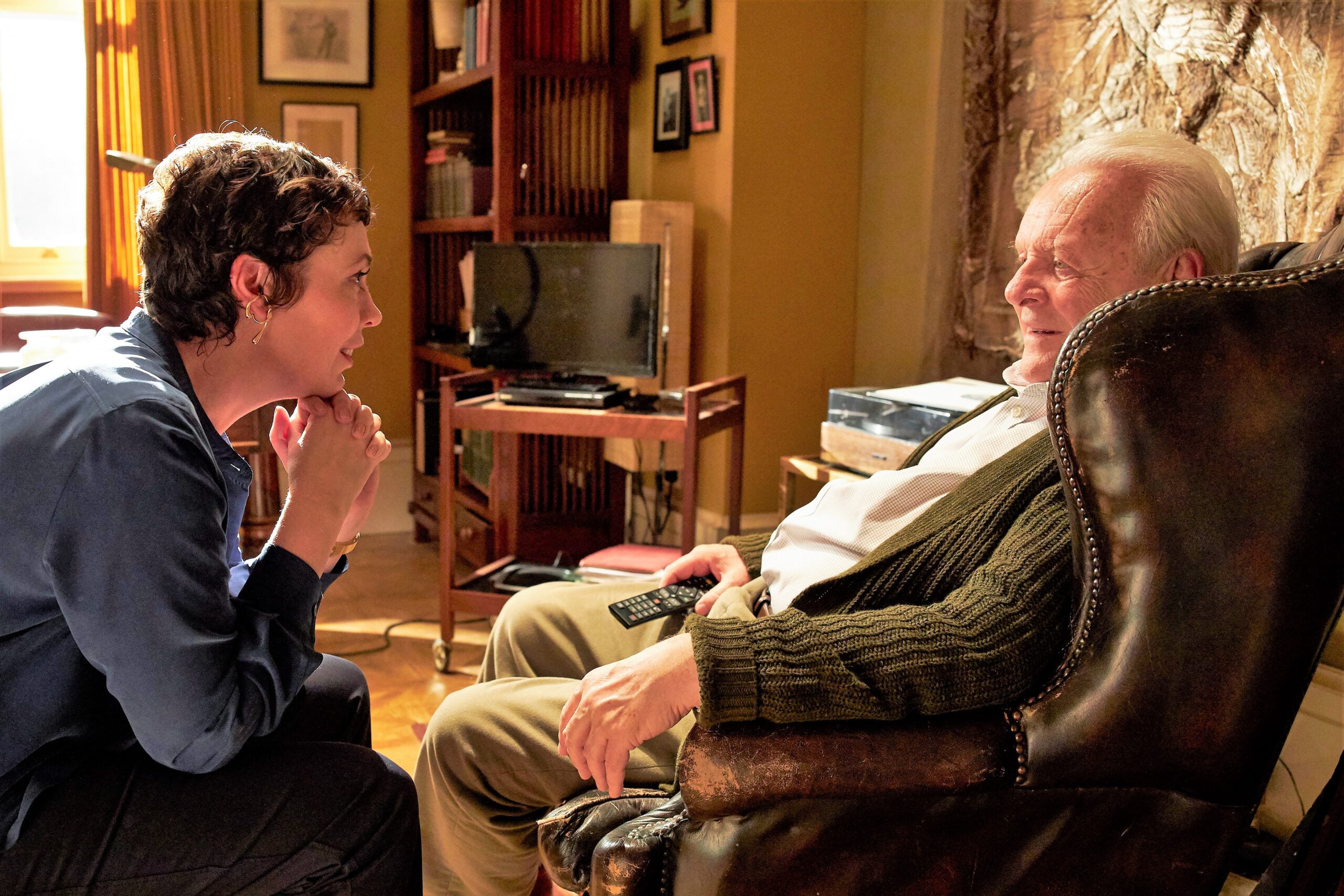
This is certainly the case with The Father, a film likely to receive several Oscars. The problem is not that it is unworthy of such recognition, but that many may find the film altogether too daunting an experience to want to risk viewing it at a time when many are already suffering from depression as a result of having to comply with COVID restrictions. If, however, one is willing to risk being made even more depressed, The Father certainly will impress and intrigue, amply justifying its cost.
The Father looks unflinchingly at a man suffering from dementia. Unlike a similar and far less successful film, Falling, it does more than simply record the experiences of a family attempting to deal with an unlikeable father suffering from mental decline.
The Father instead attempts to show the impact of dementia from the viewpoint of the sufferer, an 83-year-old man, as he loses his grip on reality. Never sure of where he is, even less sure of the identity of the people he encounters, including his daughter, he desperately tries to retain some control over the passage of time (he is obsessed with his watch, for example).
Since the film also is developed in such a way as to grant the viewer the experience of the father, it may well prove to be unsettling experience – perhaps even more so if, like me, you are well into your 80s!
For younger viewers, especially those who are likely to have to deal with aging family members, it will be salutary indeed. Rooms frequently change in geography and decor, characters appear inexplicably, events unroll in contradictory fashion. As a portrait of dementia, it is as accomplished as it is unsettling.
The Father is impeccably directed by Florian Zeller, upon whose stage play it is based. The cast rises to the challenge superbly, especially Olivia Colman as the daughter and Olivia Williams and Imogen Poots in supporting roles. Above all, Anthony Hopkins fearlessly embraces the role of a man who is by turns charming, annoying, demanding, and childlike in his vulnerability. All of these are names which are likely to be announced as winners of this year’s film awards.
The potential viewer will have to work out whether such a challenging work is worth the cost of rental. However, anyone who chooses to watch the film will be rewarded with a brilliant and enlightening artistic experience – and that may be worth a great deal in these trying times.







