

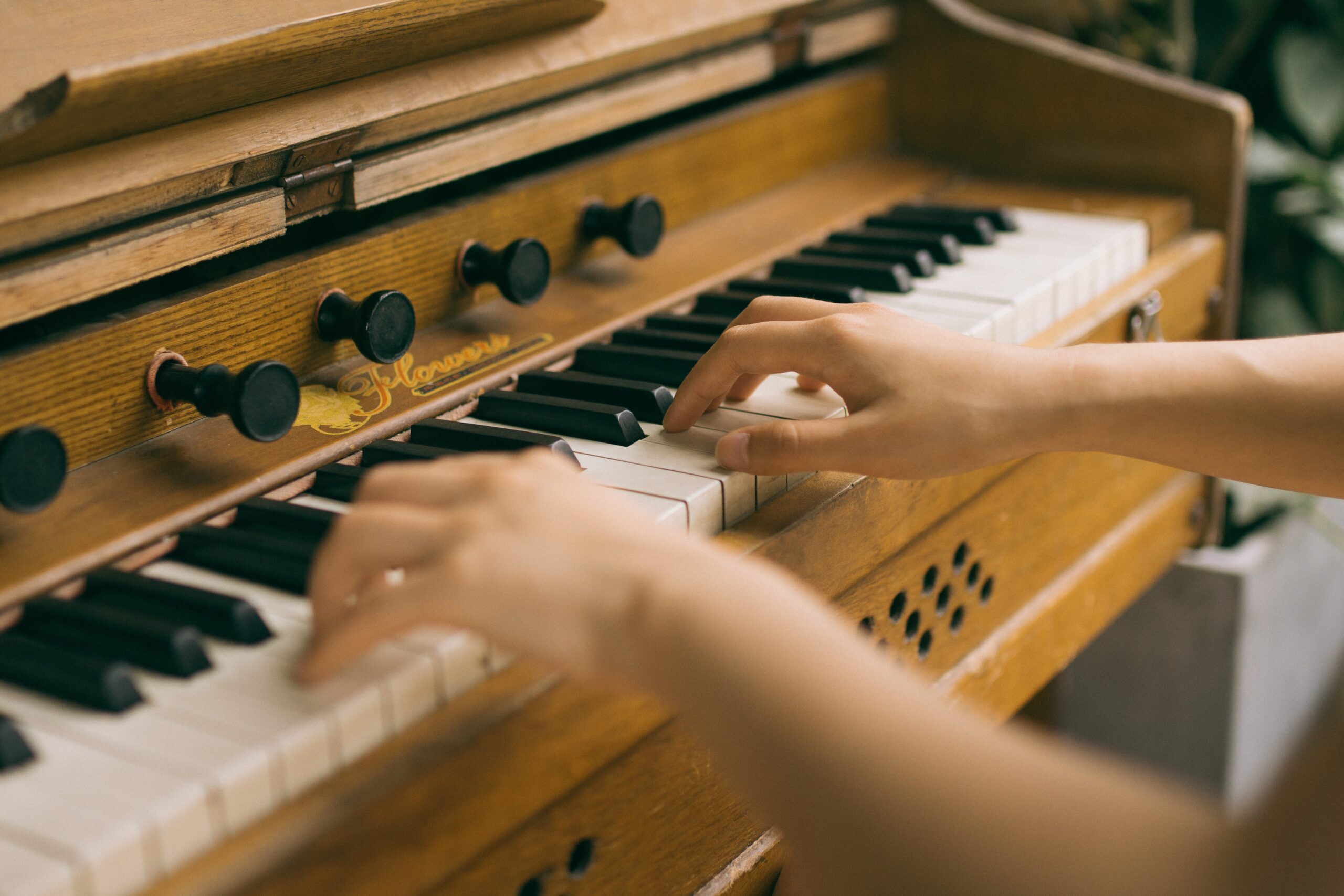

For years, on Palm Sunday, I have played the uplifting, ancient hymn All Glory, Laud, and Honour on the organ. Interestingly, every time I have played the final chord, I have felt as though the song were unfinished.
Musically speaking, my feelings do not make a lot of sense, as the hymn’s last chord is the tonic or “base” of the song’s key signature. I think, to my ear, it sounds unfinished because the actual tonic note rests at the top of the chord – almost like a descant harmony. In other words, the last note of the melody goes above the note before it, resulting in a high note for the final word of the phrase “Make sweet hosannas ring.”
In the liturgy, God is revealed through sacrament and through the senses. We all respond differently to these revelations, based on our experiences and our abilities, yet everything is offered to us in the Mass. There are visual offerings in the colours of the liturgical seasons and candles placed in significant locations; incense appeals to those with a sense of smell; many are moved by touching the holy water as we bless ourselves and touching each other at the sign of peace (pre-COVID of course); some taste Christ’s body; and those who hear are blessed with the Word of God, the prayers of the people, the bells of the consecration, and the melodies of hymns.
Musically speaking, All Glory, Laud, and Honour ends completely; however, it leaves me waiting for more. Even if this suspended feeling was not the intention of the composer, the nature of the music speaks to me, and I do not regard this as coincidental.
Palm Sunday is not the end of Christ’s kingship but a step towards its pivotal moment. Jesus was praised on his return to Jerusalem; however, this earthly form of kingly praise was not the end goal of his leadership. Palm Sunday leads us into the horrific – yet transformative – events of Holy Week. Christ’s glory “song” did not finish on Palm Sunday.
In the days that followed, Jesus faced the ultimate betrayal. Praise turned to denial, and admiration turned to violence; yet, in the end, he conquered death, paving the way for our salvation as well. Christ’s worthiness of “all glory, laud, and honour” was correctly recognized on Palm Sunday, but it was not fully revealed until his resurrection.
Other Lenten and Easter hymns end with a high tonic, as well. The Glory of These Forty Days ends on a higher note; Jesus Christ Is Risen Today and The Strife Is O’er both end with bright alleluias; and even the funeral version of I Know That My Redeemer Lives by Scott Soper ends with a high note for “I shall rise again.” Christ has conquered death, yet we still await our fulfillment in him. These elevated notes lift my thoughts to heaven, filling me with hope. The optimism of their sound speaks to me, touching my heart in ways that words cannot.
As Chris Stefanick states in Episode 4 – “What’s Our Story?” – of his program The Search, “for a Christian, joy isn’t what happens when life is going perfectly; it’s what happens when you know you’re loved perfectly, even when life’s a mess.” The love of Christ speaks to us in our own mess because it spoke to us so loudly in the mess of his humble beginnings, his associations with sinners, and in his violent and humiliating death.
If the songs of Lent, Palm Sunday, and Easter sound finished to you, that is okay because, musically speaking, they are! If you also find the high notes lead you to hope and longing for more, that is okay too, because even though the strife is over and Christ’s battle over death is done, our own earthly battle continues. To me, the high notes represent the joy of being loved perfectly in this mess.
As we call to mind the upheaval of Holy Week, let us embrace the joy of Easter’s redemption. Even if our hymns end with perfect chords, we must allow the resonating high notes to fill us with hope as our own songs continue to play.







