


When Pope Francis recently apologized on behalf of the Roman Catholic Church to the Indigenous people of Canada for the harm perpetrated at residential schools, it was but one step in the process of reconciliation. Just how our Indigenous fellow citizens wish to progress from this point, they will certainly make clear.
However, one essential step towards reconciliation must be an understanding of exactly what evils were committed and a fuller realization of the problems that arose from the experience of the schools. Indeed, to my horror I have heard people express annoyance over the concerns expressed by Indigenous spokespersons, as if they were implying false or irrelevant claims as to the impact of the residential school experience. The truth is that only by listening to them and learning about that experience can there ever be any real reconciliation.
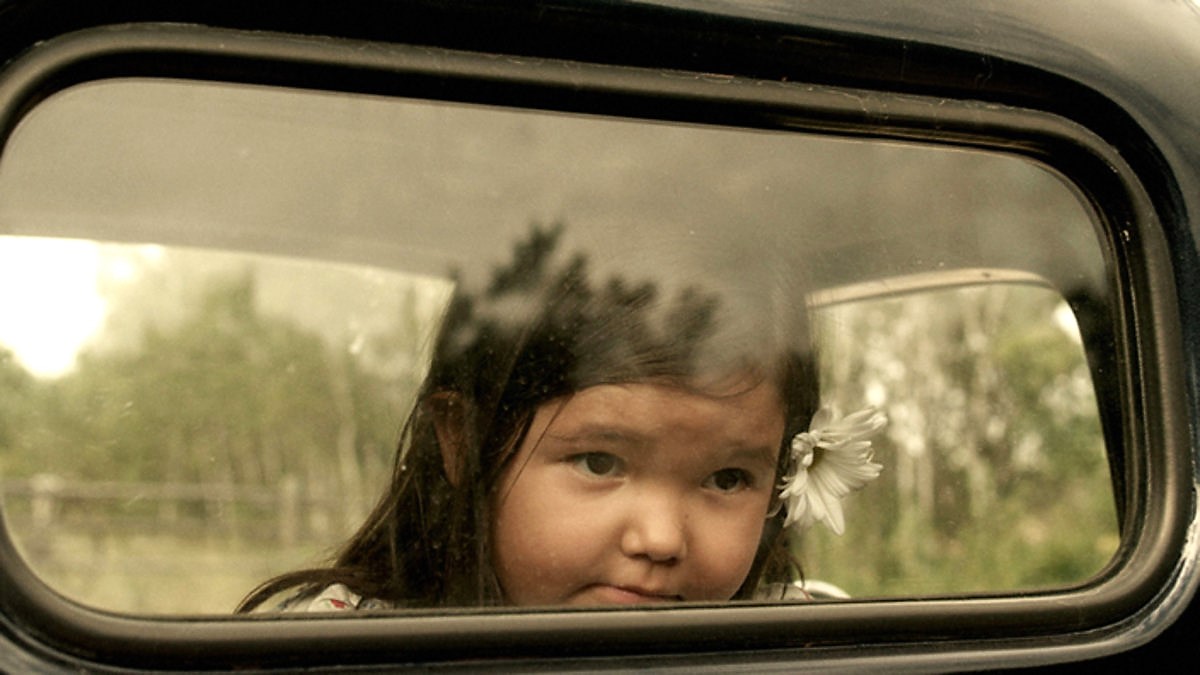
As it is possible that many have not been acquainted with what happened in the schools, I can recommend no better path to realization than watching the movie We Were Children, a 2012 movie made by Canadian production groups, including the National Film Board and available on Prime Video. As an attempt at showing what children endured at residential schools, the film relies on the testimony of two survivors: Lyna Hart and Glen Anaquod, both of whom, when very young, were taken from their families and plunged into the horrors and terrors of the residential school system.
The film is graphic, frequently extremely difficult to watch, and shocking in its revelations. It should be regarded as essential viewing by all Canadians. It vividly portrays the iniquities committed at the behest of the Canadian government and with the incomprehensible support of priests and nuns, and also helps in part to explain the tragic legacy of the experience. As one is made aware of the insensitivity and humiliation with which the children were faced, as one becomes aware of the theological travesties uttered in the name of Jesus, as one is forced to acknowledge the horrendous reality of what happened, one can only become more sensitized to the hopes and concerns of Indigenous citizens of Canada.
Parents and their teenage children should try to watch it together – though the material is probably far too graphic for most pre-teens. And, after viewing, it is to be hoped that families will engage in discussion.
We Were Children aims at being fair and balanced. One valid criticism of the film is that it implies that only the Roman Catholic Church was responsible for carrying out the government policies; in reality, other religious groups were involved, though most of the schools were run under the aegis of the Catholic hierarchy. More positively, in a recognition that there were some good people involved, it shows one nun being empathetic and sympathetic to the children in the school; it also shows that some Indigenous people felt that the school experience would provide the children with a necessary education. However, far more importantly, the film shows how so much cruelty was involved and so much of irreplaceable value lost by the people whose land the settlers occupied and whose culture those settlers wished to destroy.
It may be that some Canadian adults will take refuge in the argument that being taught about residential schools could cause white children to feel guilty for crimes that they clearly did not commit. The reality is that the damaging legacy of those schools is part of our everyday society, and we need to play whatever part we can in the healing process. Just as with the Holocaust, it is simply wrong to ignore or forget about it. George Santayana is frequently misquoted, but his saying that “Those who cannot remember the past are doomed to repeat it” remains relevant. If we do not acknowledge and come to terms with what has happened, following the example of Pope Francis, we will never be able to participate in the steps towards a healthier and happier society. Knowledge and understanding are the first of such steps in that process. If you haven’t seen it and feel the need to know more about residential schools, you might wish to begin by watching We Were Children, though it won’t be an easy journey.







