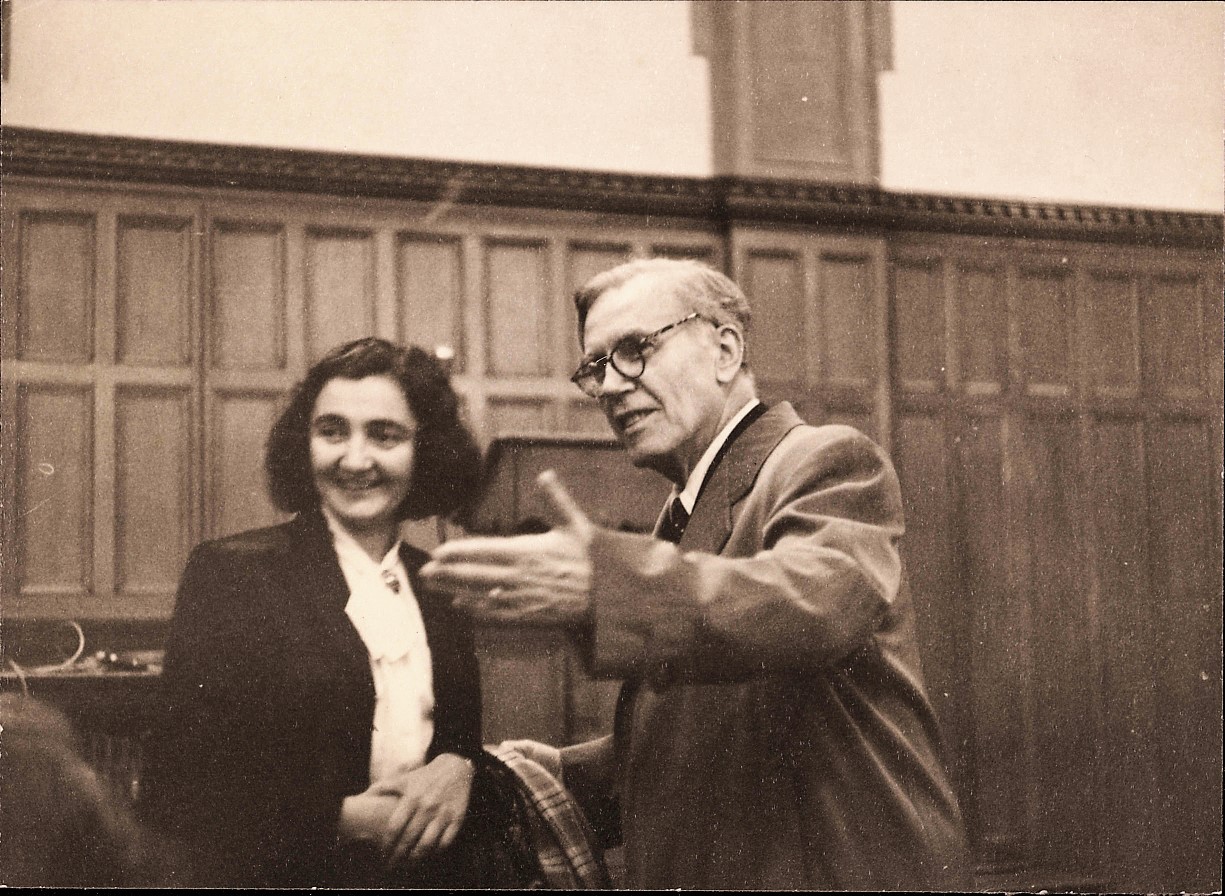

With her long life, Alice Von Hildebrand could boast of a unique perspective, for she saw the world before, during, and after the tumultuous years of second-wave feminism.
On Jan. 14, this American Catholic professor, author, lecturer, and philosopher died at the age of 98. She fought for the rights of women through her rise in academic stature after escaping Nazi Europe and landing in America. Her “fight,” however, was not the blast of an outraged feminist, but the embattled perseverance in a professorship that only earned her accolades after more than a dozen years.
The error of feminism was in promoting the idea that “femininity meant weakness,” Von Hildebrand would often say. Feminists say that “to be a woman is to be inferior, to be a woman is to be a means of pleasure for men. But they are not respected and understood for what they are,” she said in an interview with Crisis magazine.
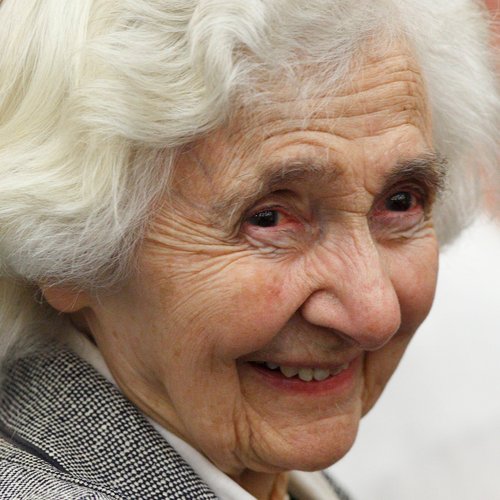
Instead of trying to be like men, or better than men, Von Hildebrand suggested that women cultivate their innate talents and abilities. For some this may mean being a wife and mother. Others, like Von Hildebrand, would be childless and work tirelessly in academia for the improvement of society. Each woman has her own mission, and that is what will ultimately satisfy the ache many women are not able to name.
The Bible has been branded misogynistic for proclaiming that Eve was made of the rib of Adam. But Von Hildebrand pointed out that Eve was created last in the entire hierarchy of matter. First there is “inanimate matter, then animate matter, lower animals, higher animals, man, and then comes the woman. She was created last.”
Who then is in the highest place?
Similarly, Dr. Carrie Gress has also posited that the serpent tempted Eve because she was the stronger. He knew Adam would follow Eve, not vice versa.
In discussing the differences between men and women, Von Hildebrand said, “I think that a man should thank God for being a man because he’s given a very clear mission to protect. A woman should thank God for being a woman because her very special mission is to give life, to corroborate with God. I love it! And the older I am, the more I love being a woman. Which doesn’t mean to denigrate what manhood is, but simply to say that this is what He wanted me to do.”
The ability to cultivate life in the womb and in society is a radical sign of the dignity of a woman. Men have a role to play in the fertilization of the egg, but women play the key role in nurturing life at its most vulnerable. “Don’t forget that all accomplishments of men will be destroyed at the end of time, everything will be burned, [except for] every woman who has given birth to a child,” she said.
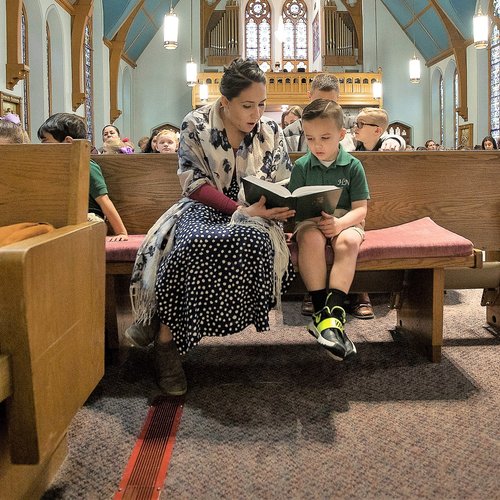
Von Hildebrand did not mean that every woman must have children. She did not have any. Rather, she spoke often about spiritual motherhood. In an article from Plough magazine, she said, “If you don’t have children, for goodness sake don’t believe that you have to give up motherhood. Motherhood is not only biological maternity. It is spiritual maternity. There are hundreds of people all around who are desperately looking for a mother. A number of people have come to me to tell me about their problems. I listen to them. And I love them. And I say very little. But they know that I care for them. In this sense, I have become their mother.”
To women she said, “Your task is to love those that are weak, unhappy, helpless, and unloved. Sometimes you can do this just by saying one word. At other times you’ll just have to listen. In every life there is suffering; most people keep it inside. When they feel loved, they will open up and tell you about their suffering. Then you will find that by carrying other people’s suffering your own suffering becomes lighter.”
What was the biggest message Von Hildebrand wanted to share with young people today? The beauty of Christianity.
“When you compare the various cultures, in none of them is the dignity or the beauty of being a human person shown so luminously. It’s magnificent.”
And how do we know our mission in life? Von Hildebrand answered, “By going on your knees and say, “Show me Lord, what You want me to do now.” And you will know His answer. Ask Him.”
Ida Gazzola is the mother of six girls and one boy and a parishioner at Holy Cross, Burnaby.