


When I began teaching in the early ’90s, the school’s music teacher introduced the Advent song Stay Awake! by Christopher Walker. Written in 1988, the song is based on Matthew 24:42-44. With its catchy tune and repeated lyrics, children and adults alike soon had the song memorized and repeating in their heads: “Stay awake! Be ready! You do not know the hour when the Lord is coming. Stay awake! Be ready! The Lord is coming soon.”
Therefore, when my principal created an Advent display in front of her office, it was fitting to include a banner proclaiming simply: “Stay Awake!” Everyone seemed to appreciate this reference to “our” song, and the importance of being alert and prepared for Christ.
At least we thought “everyone” did, until a parent visitor admiring the display chuckled, “Oh, my children can’t fall asleep on Christmas Eve either.” The banner’s Advent message meant something entirely different – when presented in isolation and out of context – to someone with another point of reference.
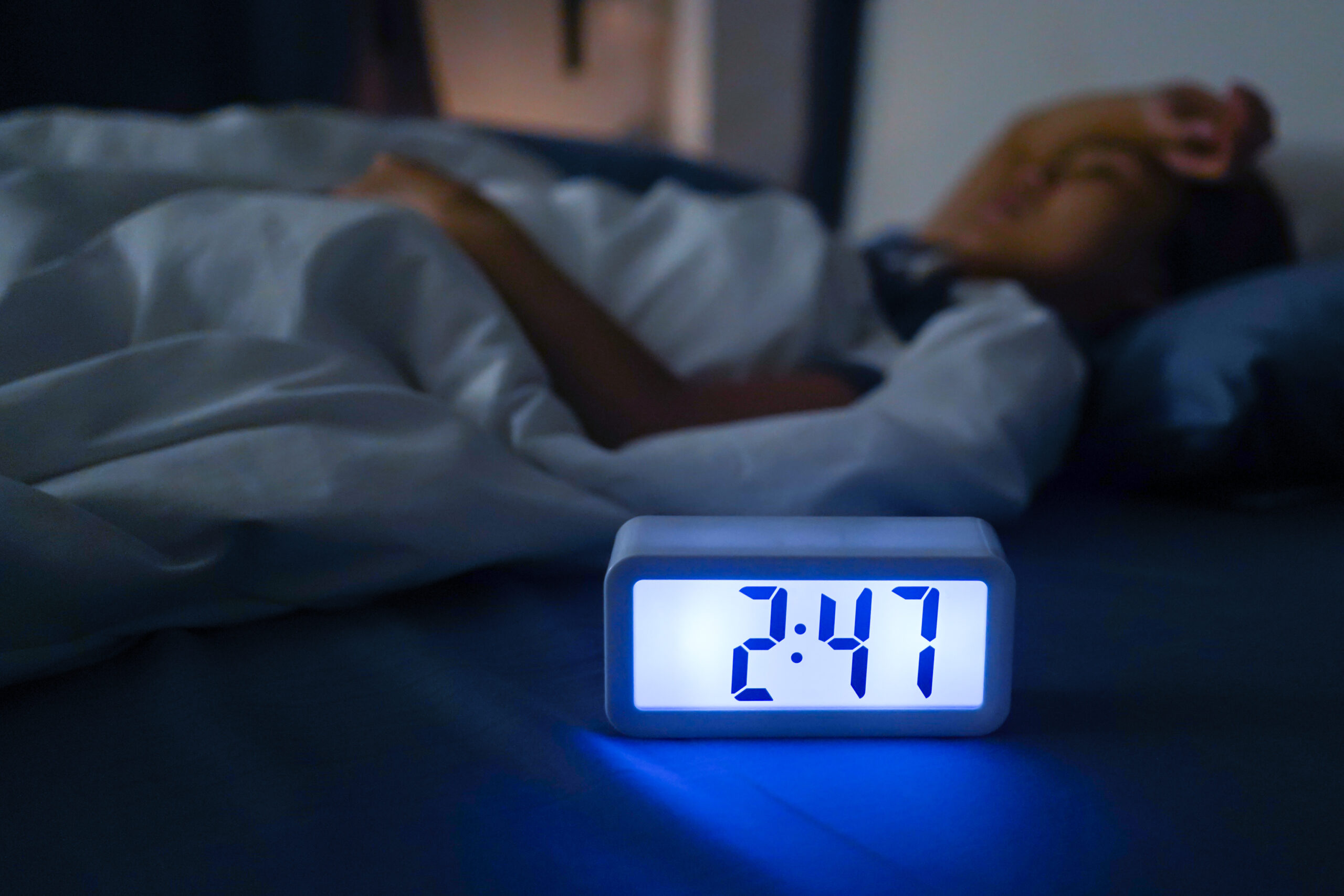
The concept of “staying awake” and of people hearing different messages in the exact same words struck me in an interesting way this Advent. With a troubling situation occupying my mind, I awoke in the middle of the night: 3:26 a.m. to be precise. I rehearsed a difficult conversation, said some prayers, and proceeded to sleep fitfully until it was time to face the day.
It’s not the first time I’ve awakened in the night and then slept restlessly. This time, however, when I finally got out of bed I felt curious about the significance of the time of my awakening, 3:26, and turned to my Bible to investigate.
I began with the Gospels, reading each writer’s chapter 3, verse 26. In the end, I decided to focus on John’s words: “So they came to John and said to him, ‘Rabbi, the one who was with you across the Jordan, to whom you testified, here he is baptizing and everyone is coming to him.”
I realized that by turning to Jesus in prayer that night and in seeking the Bible message the next morning, I too was turning to faith. I brought my challenges to the Lord, and the result was an ability to face my difficulties with peace and love.
I told a friend that I had looked up Bible verses for my wake-up time, and she suggested that we both do this throughout Advent. As a result, we began a routine of looking up our wake-up times in the Gospels and then texting each other to share our verses. It has been very interesting to see the types of messages to which we have been drawn.
For instance, waking up at 4:24 a.m one day prompted me to listen and act with care: “Take care what you hear. The measure with which you measure will be measured out to you, and still more will be given to you” (Mk 4:24).
Waking up at 5:39 a.m. another morning, I was inspired to avoid negativity that day by not engaging with those who may bother or offend me: “But I say to you, offer no resistance to one who is evil. When someone strikes you on [your] right cheek, turn the other one to him as well” (Mt 5:39).
These Bible verses may seem random, and I realize that, in reading verses apart from the context of their larger passages, I a.m. not getting the full story; however, like the Advent banner announcing, “Stay Awake,” I connect with words based on my current experience. I’m prompted to read more as I notice what is relevant to me at this time.
This Advent, in my “awake” moments, I have tried to prepare for Christ’s coming by turning something negative – waking up too early – into something positive. I enjoyed searching for verses, and I also enjoyed sharing the experience with a friend – a friend whose wake-up time on the Feast of the Immaculate Conception was 1:30 a.m. “Then the angel said to her, ‘Do not be afraid, Mary, for you have found favour with God’” (Lk 1:30). Coincidence? Perhaps. But everyone who knows the Bible reference can appreciate its significance.
During the final days of Advent and into the Christmas season, I aim to stay awake. I want to seek the Lord’s voice, so that when he comes again, I will indeed be ready to welcome him.







